

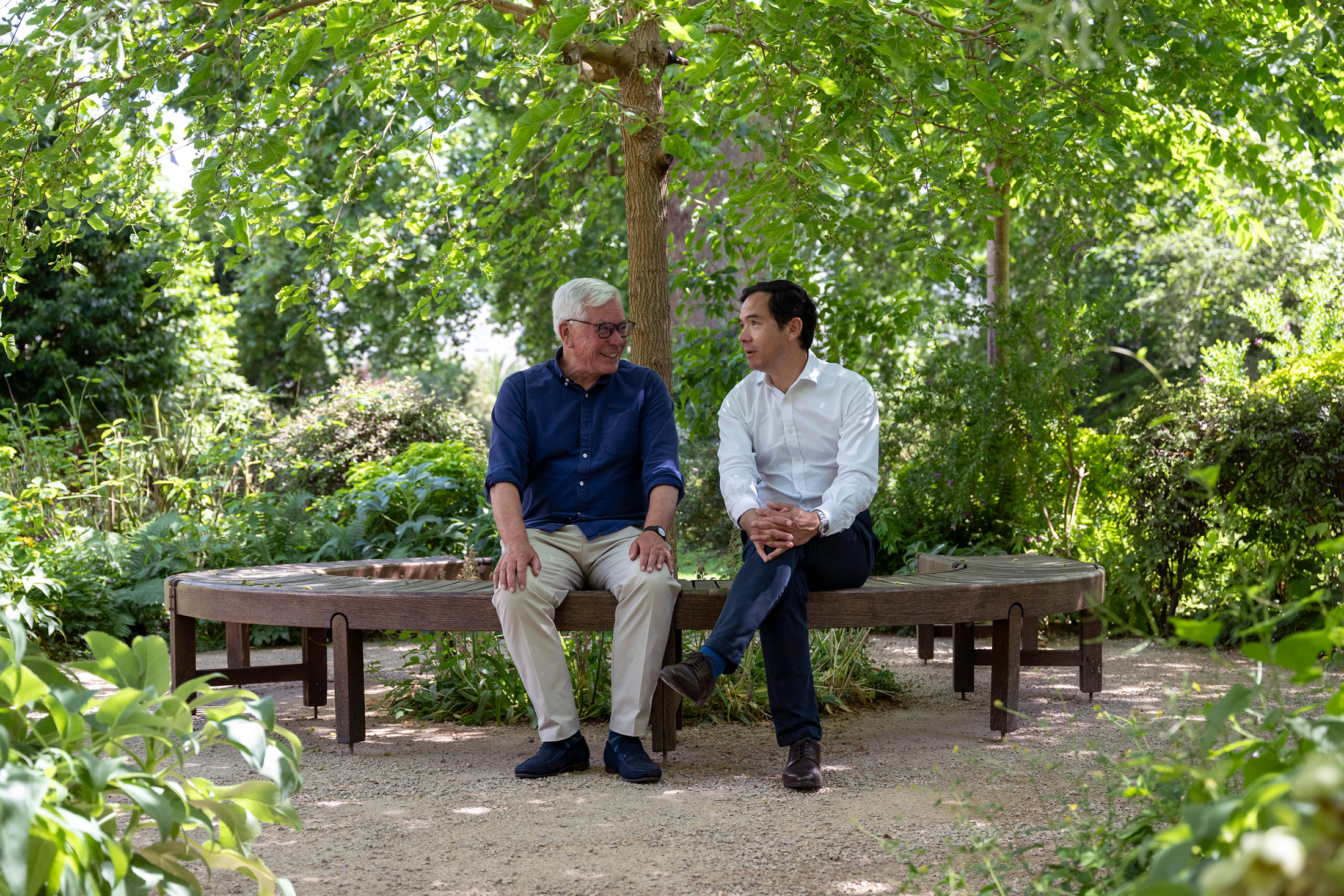
A decade on, Shakespeare in the Squares co-founder Martin Neild reflects on the unpredictable joy of staging Shakespeare in London’s private squares.
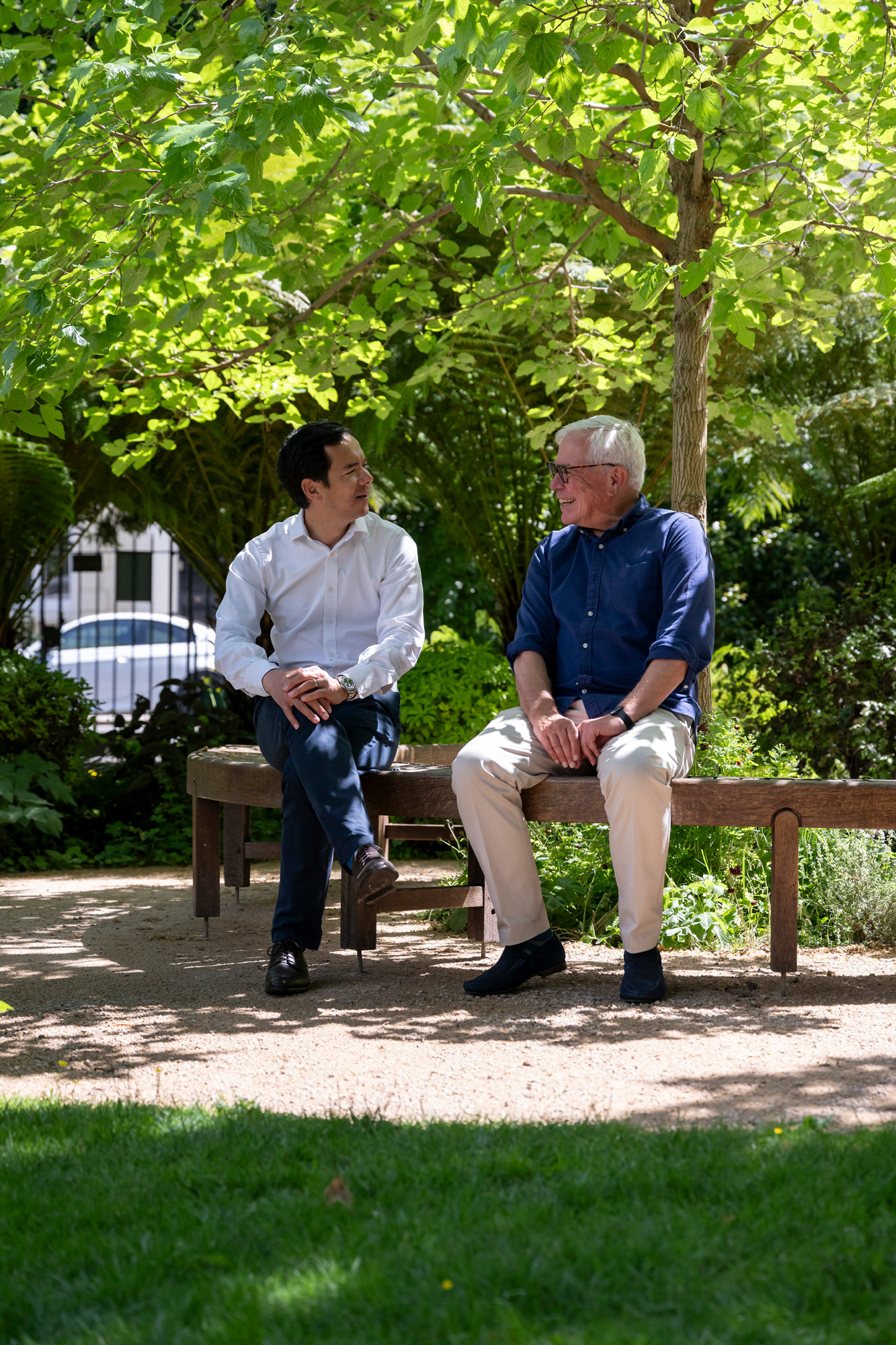
“Remarkably, we’ve only lost two shows to bad weather in the whole 10 years,” says Martin Neild, co-founder of Shakespeare in the Squares, the not-for-profit touring theatre company that brings open-air performances to London’s private garden squares each summer.
There has, of course, been drizzle. “In that case, we rely on stiff upper lip and ponchos,” he says, with some understatement. There have also been unseasonal storms, the occasional downpour and, once, a last-minute move indoors when the Ukrainian Social Club on Holland Park Avenue stepped in to host a performance that could no longer take place outside.
But mostly, through all the glorious erraticness of the British summer, the show has gone on. That resilience is part of the charm. A decade since it began, Shakespeare in the Squares has become a fixture: an annual ritual of theatre, picnics, music and neighbourly spirit, set against a backdrop of gardens usually kept behind locked gates.

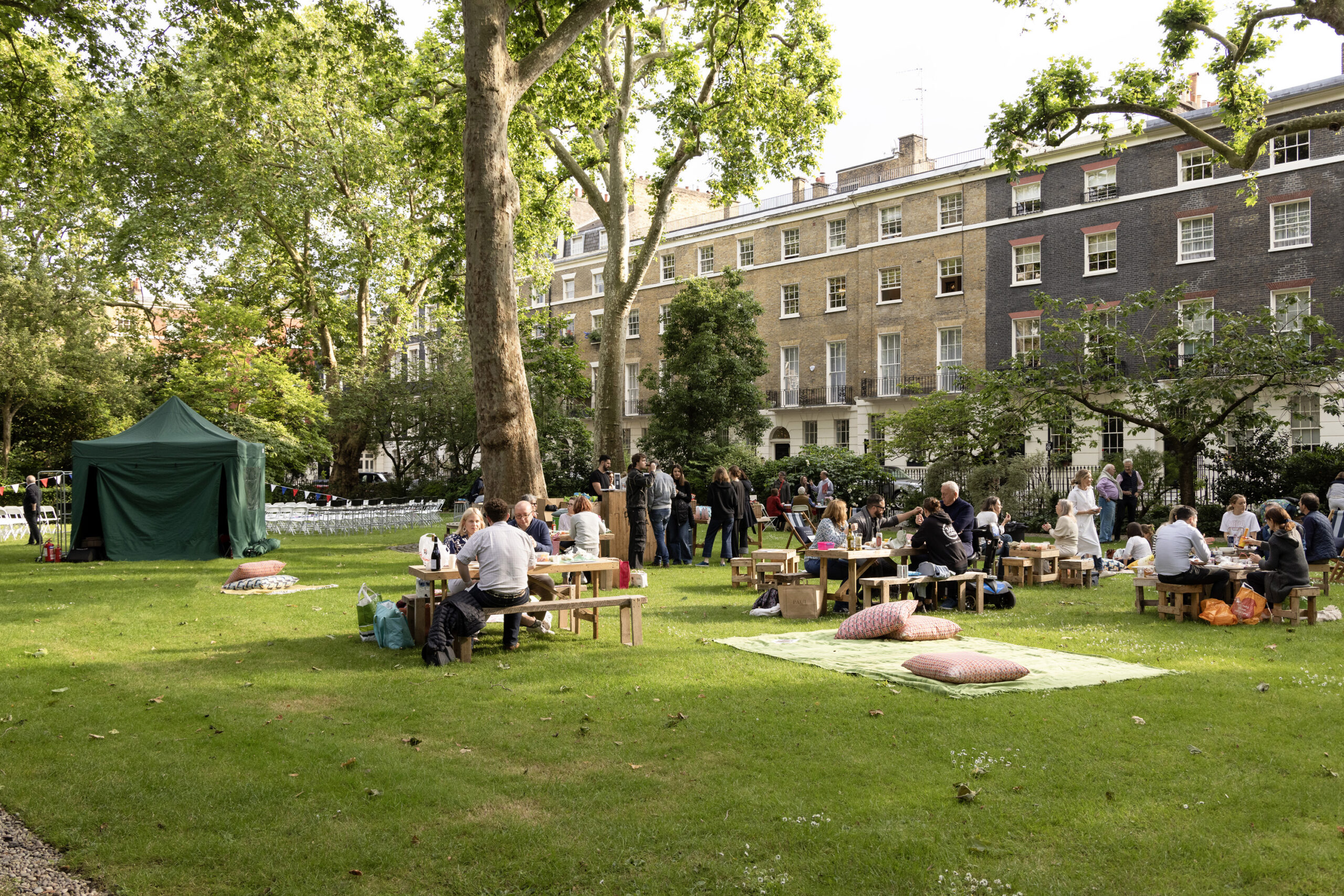
Come rain or shine, it is, more than anything, a celebration of community in action. Private squares open their gates to audiences who arrive with blankets, hampers and, increasingly, highly coordinated tablescapes. Shakespeare, meanwhile, is lifted out of the formality of the theatre and placed somewhere more intimate and approachable.
The idea began with Martin and his former colleague Sue Fletcher, who together had previously run the publishing company Hodder & Stoughton. After retiring, Sue studied for an MA in Theatre Studies, and the pair began thinking less about theatre in academic terms and more about its social power – the simple pleasure of bringing people together.
“We thought, let’s do something that’s about pure enjoyment,” says Martin. “We’re both passionate about Shakespeare and our communities, so this was a way of bringing that together.”
Leinster Square, where Martin lives, became the catalyst. It was one of the first squares to support the initiative and remains closely tied to its story. Since then, Shakespeare in the Squares has grown steadily, expanding beyond Notting Hill and west London to include outdoor spaces in Fulham, Kilburn and Crystal Palace. This year, the company will stage 35 performances across the city.
“We evolved through the squares that were really supportive,” says Martin. “And the scale has evolved with it.”
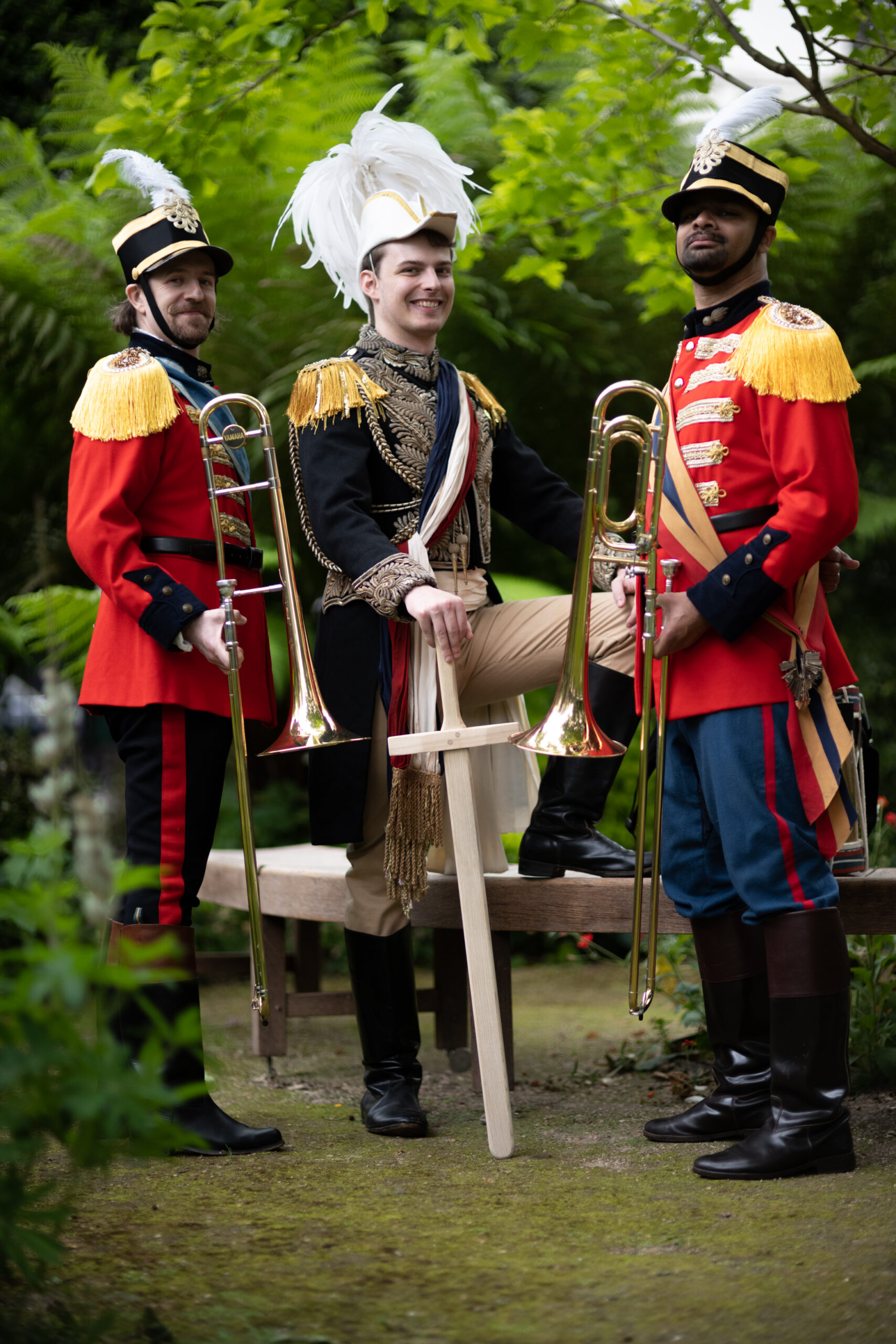
Leinster Square will once again host the opening performance this season, with a new production of Love’s Labour’s Lost. Director Toby Gordon is encouraging audiences to bring their “picnics, wine, sunglasses and participatory spirit” – ponchos, should they be required, are provided. In true Shakespeare in the Squares style, the production promises an irreverent sense of fun, with music inspired by rock and pop classics from the 1960s and ‘70s.
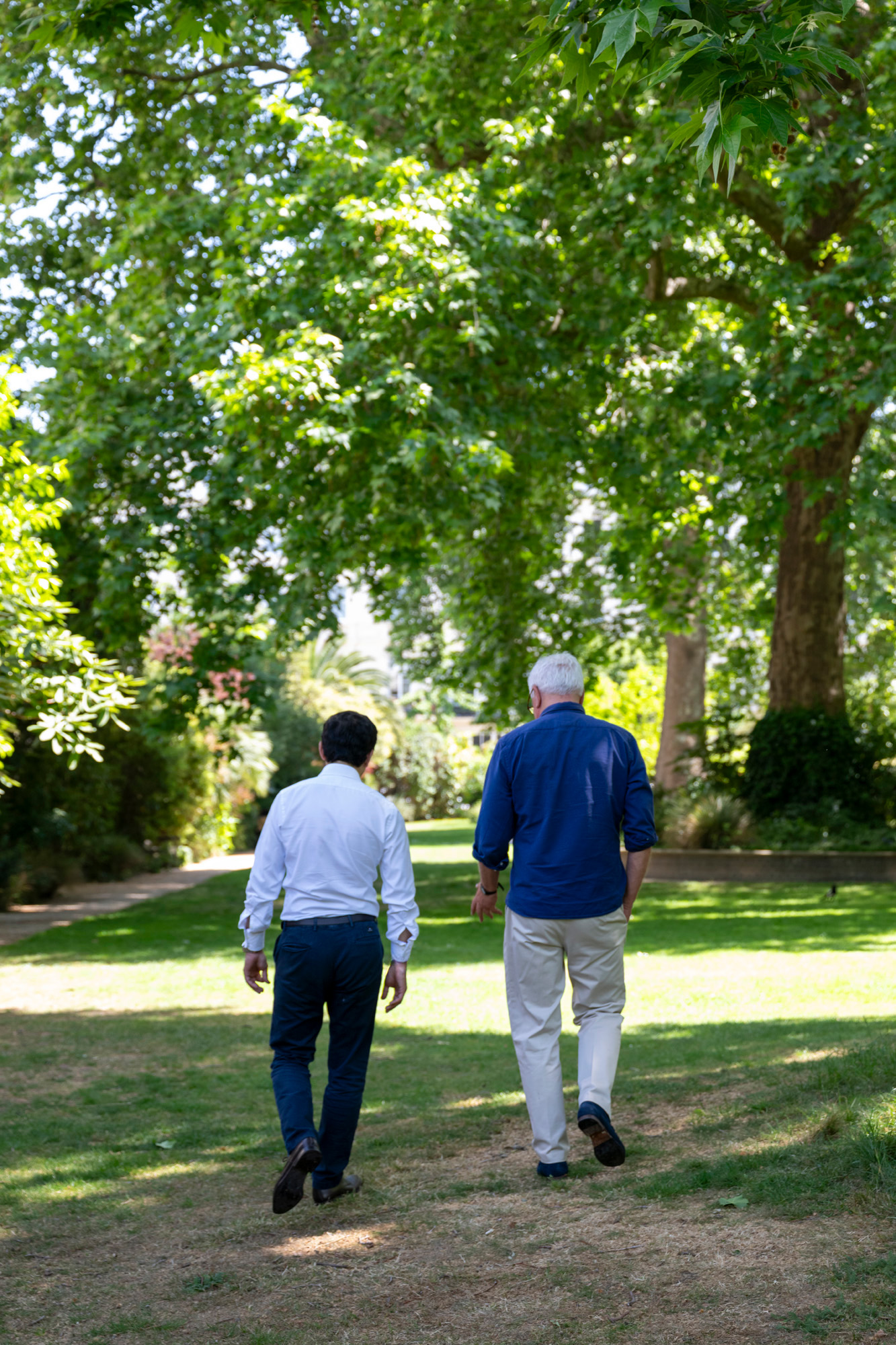
“We’re both passionate about Shakespeare and our communities, so this was a way of bringing that together.” Martin Neild
As a founding partner, Domus Nova’s support has always felt closely aligned with the ethos of the event: connected to the neighbourhood and centred on opening up the parts of London that are often hidden from view.
“What Shakespeare in the Squares does so well is make something that can feel a little out of reach – both Shakespeare and these private gardens – feel light-hearted and accessible,” says Domus Nova co-founder Arnaud Cheung. “It brings people together in a part of London usually experienced in a more private way.”
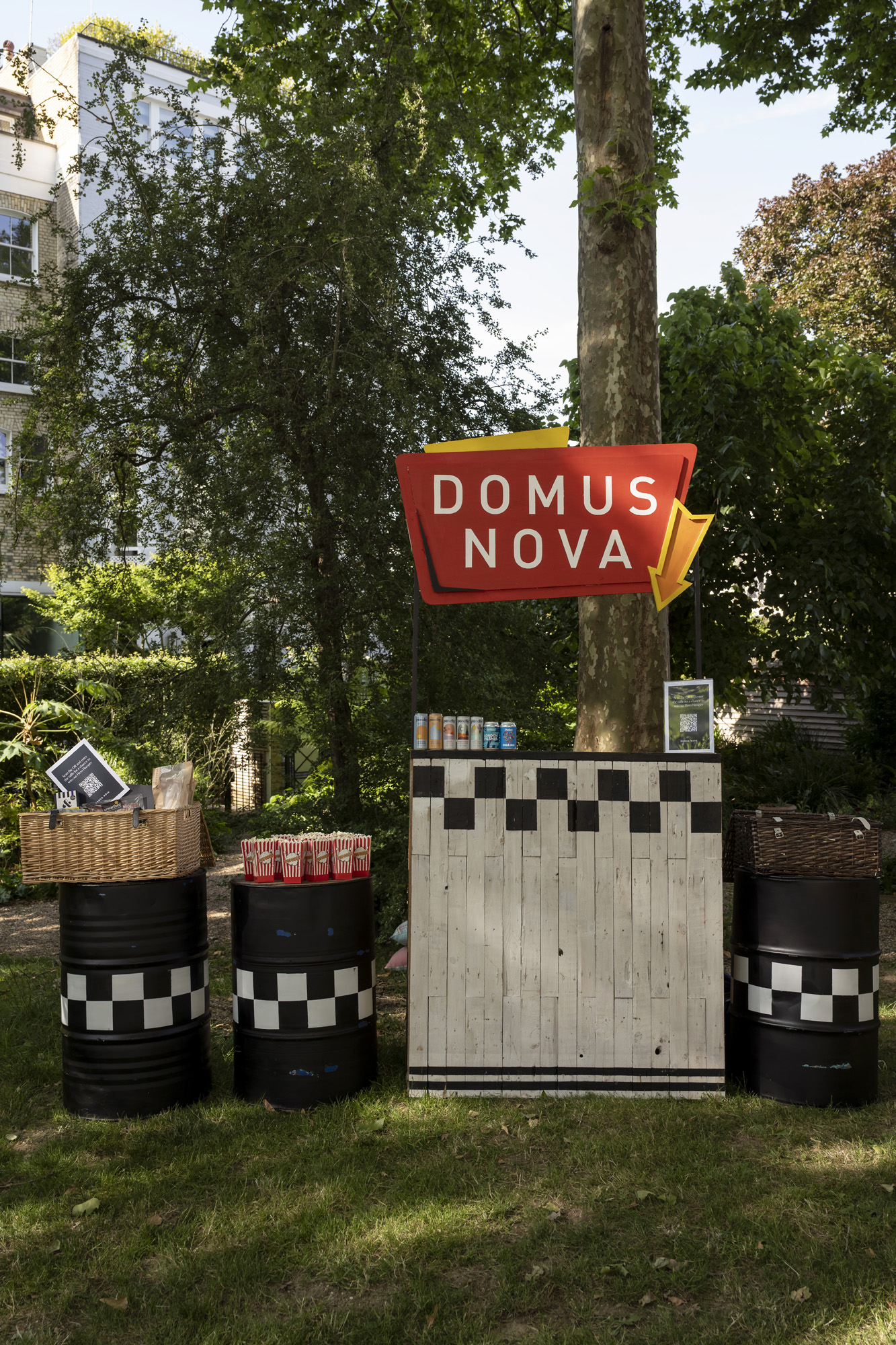
This year, Domus Nova returns as sponsor, offering a theatre bar, refreshments and a hamper prize filled with artisan treats from local businesses. Other neighbourhood names will also be part of some performances, including Durbar, the local restaurant celebrating 70 years in business this year, which will be serving Indian snacks.
For Martin, the appeal is refreshingly simple. “What’s not to like if you live around these squares?” he says. “You fall out of your house into the garden, get a good show, have a picnic and go home.”
But the audience now travels from much further afield, drawn by the novelty of entering these normally private spaces and by the atmosphere of the evening itself. The picnics, Martin notes, have become part of the spectacle.
“They’re next level,” he laughs. “We’ve seen people rush in, grab one of the tables, get the tablecloth on, the glassware out – everything.”
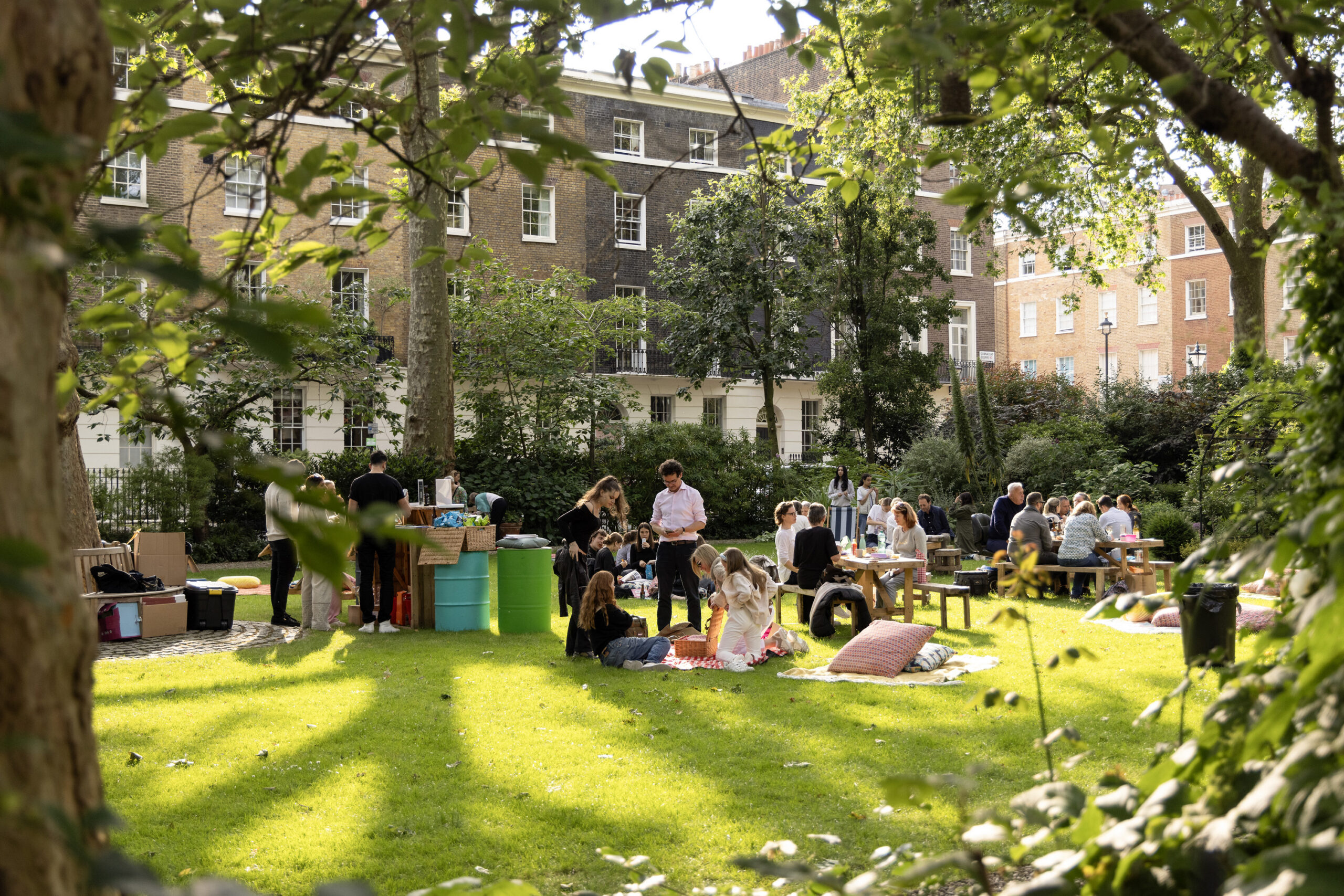
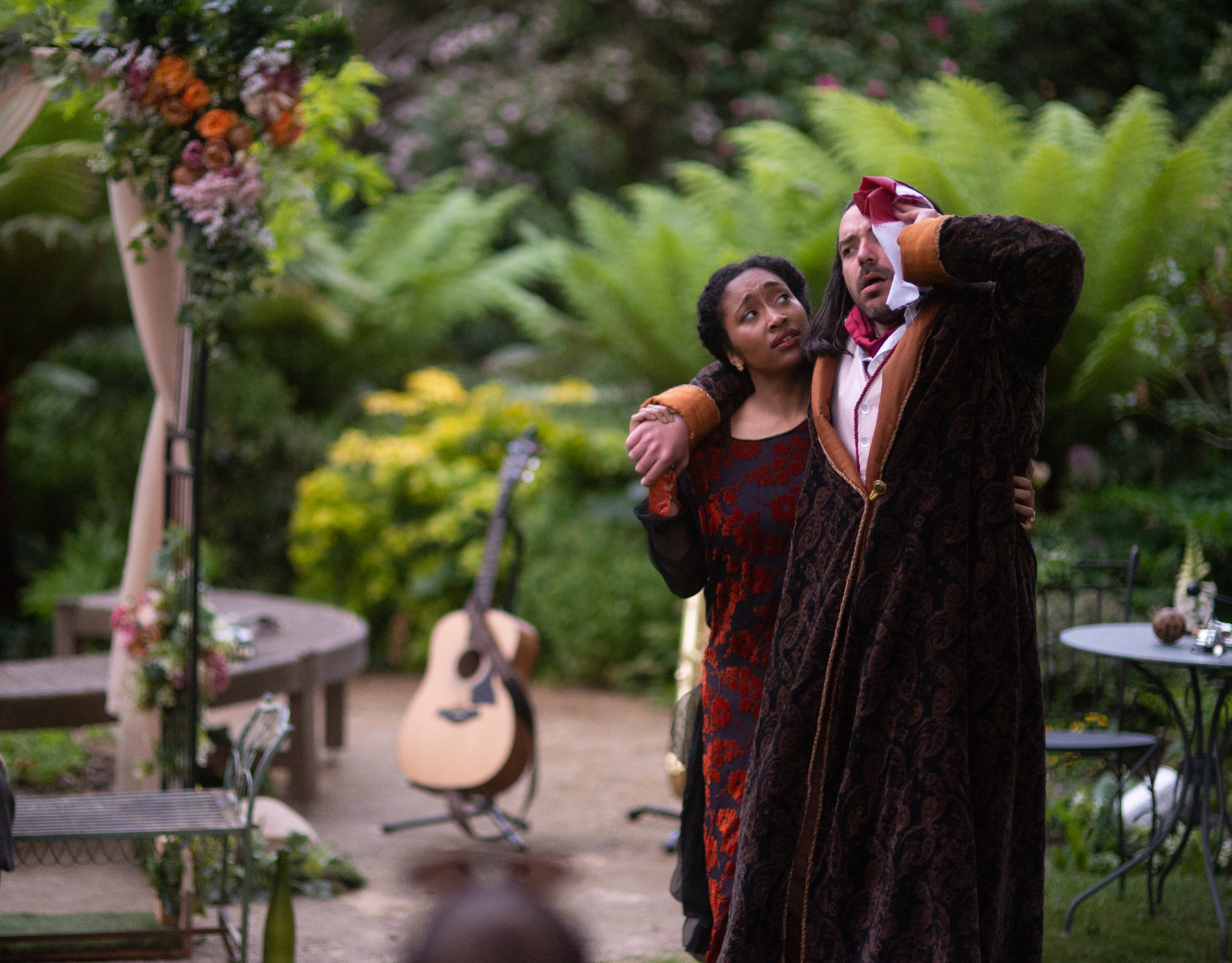
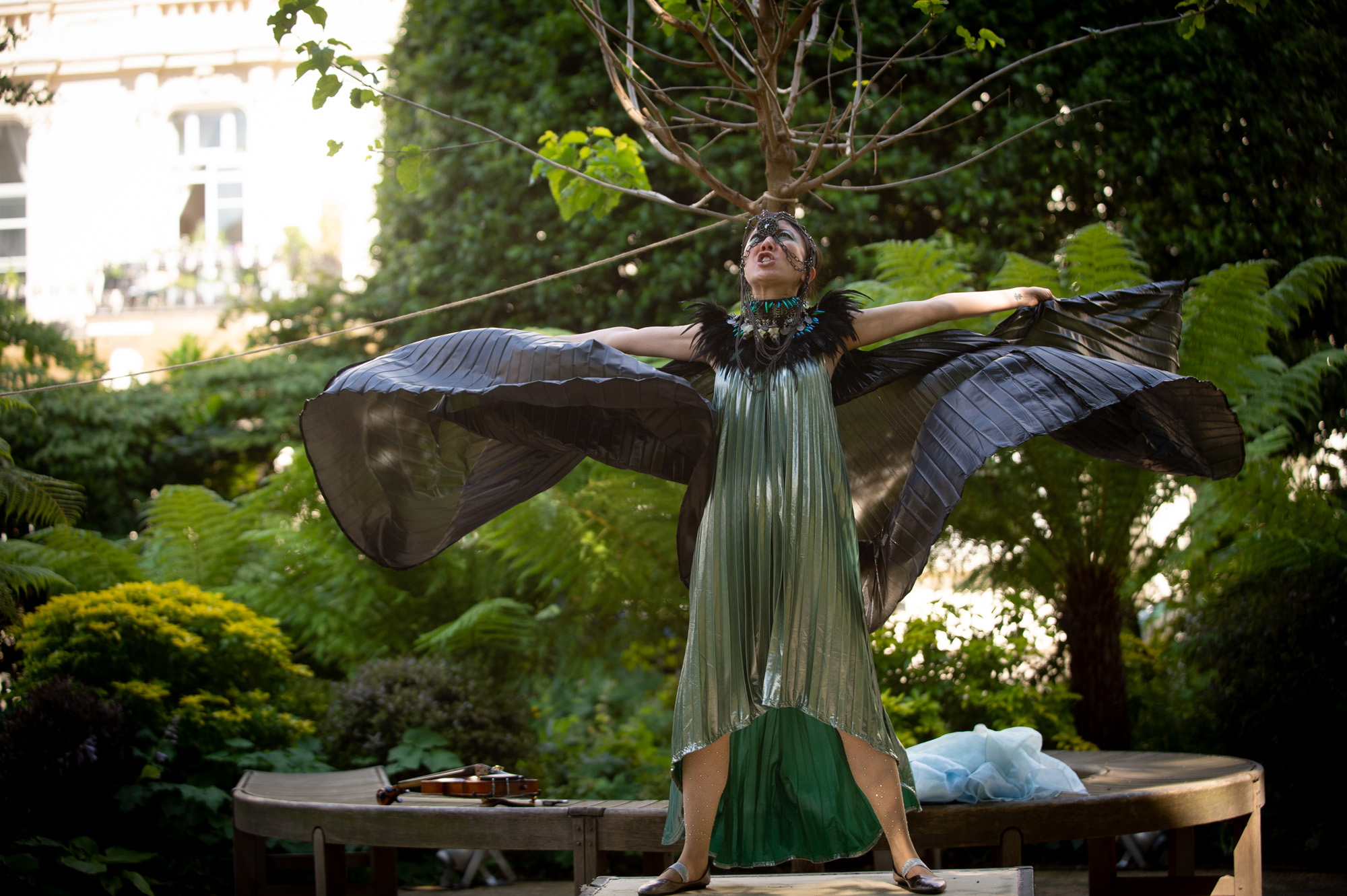
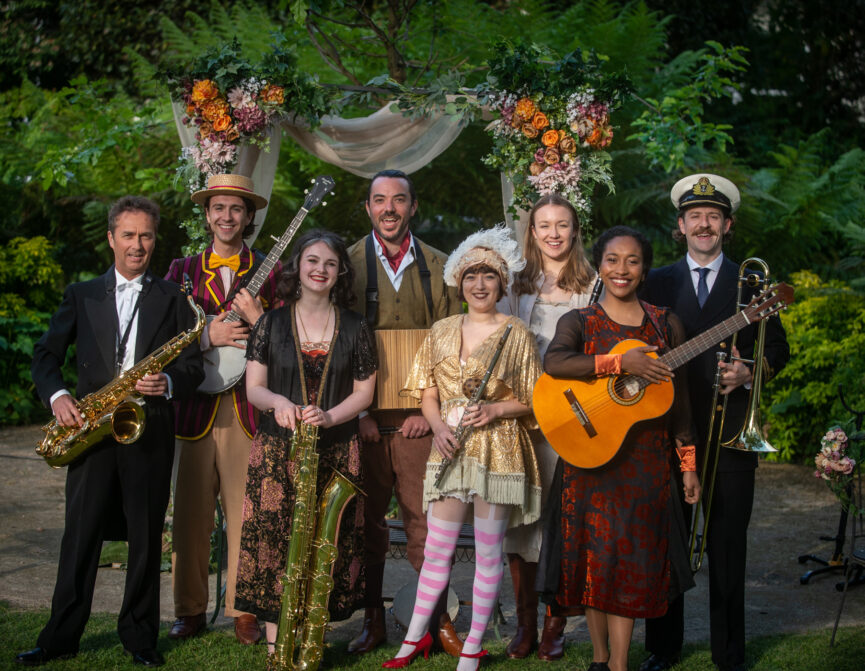
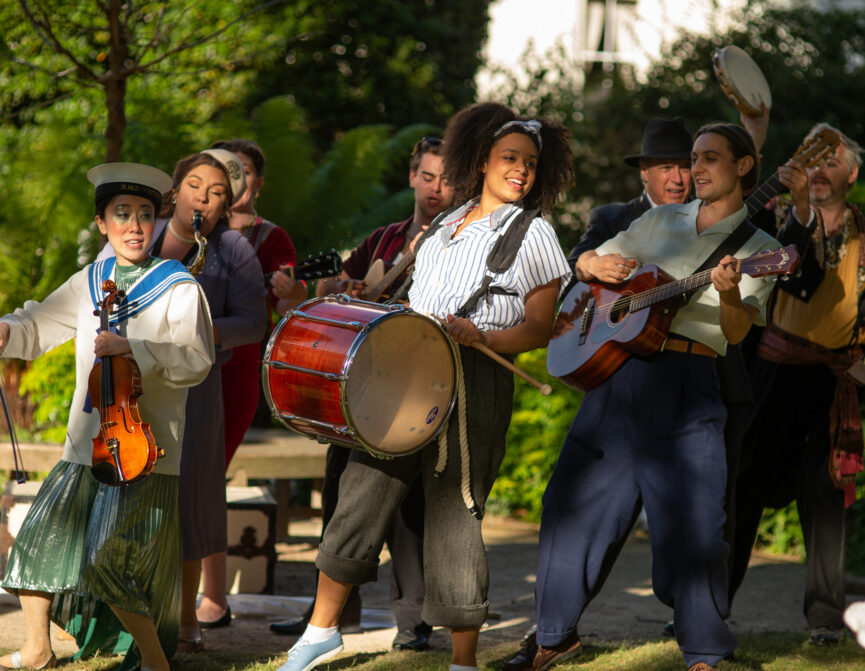
Over the years, Shakespeare in the Squares has developed a clear identity: accessible storytelling, family-friendly performances, audience involvement and plenty of music. The productions are designed to feel engaging rather than intimidating, inviting in audiences who might otherwise hesitate at the thought of a more traditional Shakespeare performance.
“It modernises it,” says Arnaud. “Being outside, with the music and the greenery, makes it feel less serious and more joyful. It makes Shakespeare feel digestible.”
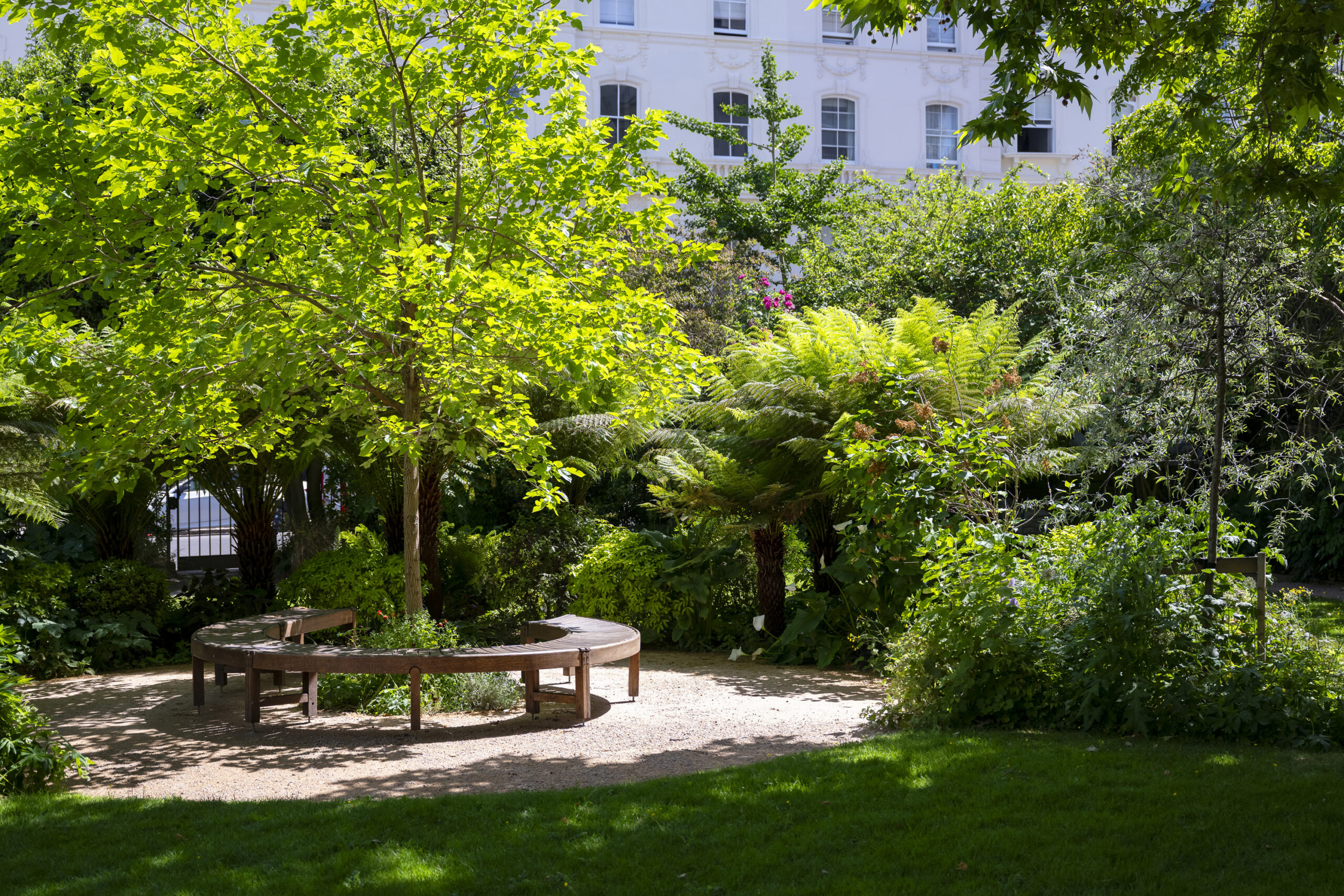
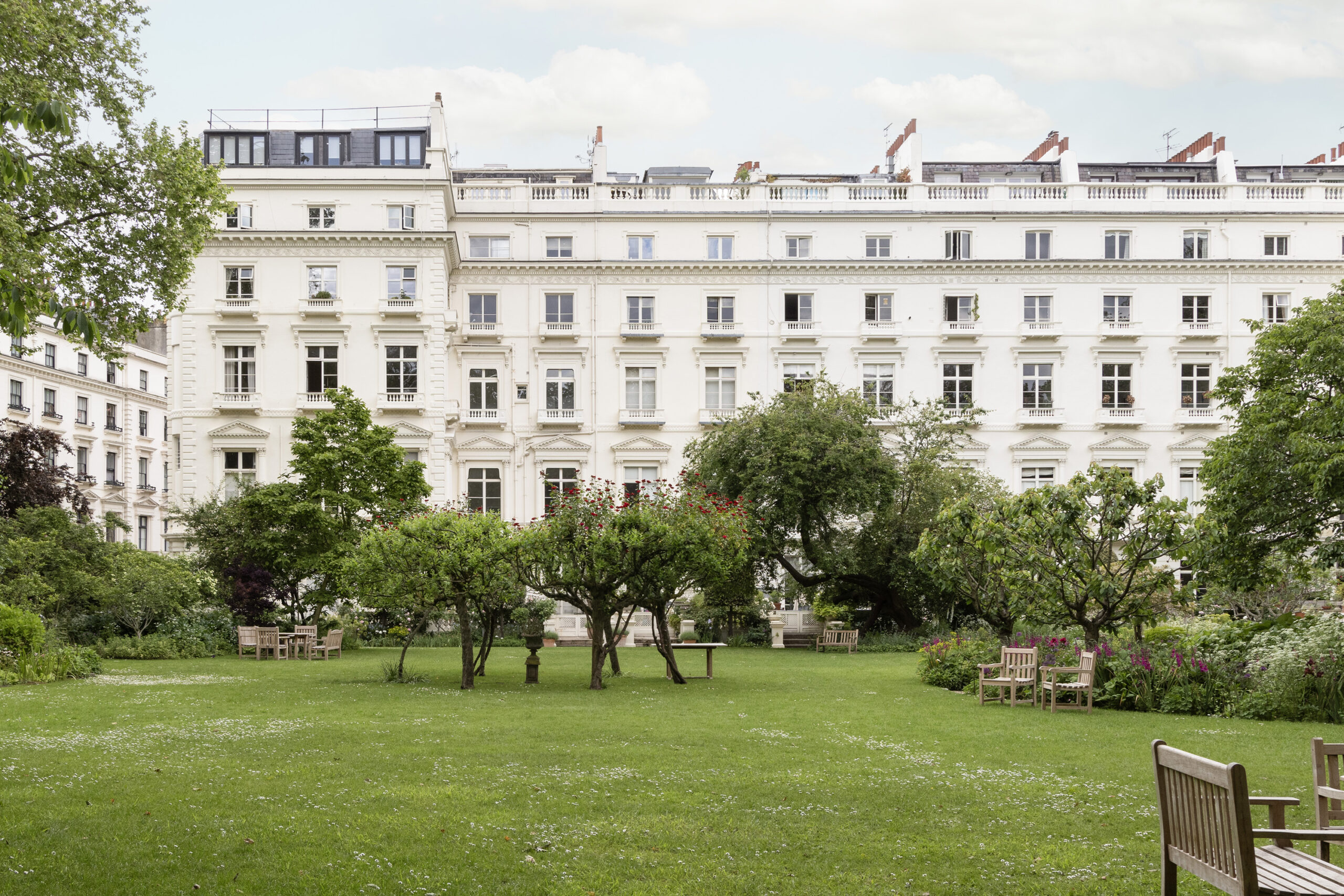
The setting plays its part too. For many Londoners, garden squares are familiar but glimpsed only through railings. Shakespeare in the Squares changes that, if only for one evening. “It shows a part of Notting Hill, and London more widely, that’s really special,” says Arnaud. “It opens access to something that is otherwise guarded.”
Of course, staging theatre outdoors comes with its own cast of uninvited extras. Beyond the weather, there have been car alarms, house alarms and one memorable evening when Bruce Springsteen, performing at BST Hyde Park, could be heard from Cleveland Square.
“We’ve got more confident about the actors just running with it,” says Martin. “Once, a police helicopter flew over at exactly the point in the script where someone said something like, ‘What noise is that?’ It got a round of applause.”
In many ways, that unpredictability feels faithful to the spirit of Shakespeare’s own time. There is no amplification, no elaborate lighting rig, no sealed-off auditorium. The actors must project, adapt and hold the audience as daylight fades. That authenticity was one of the reasons Dame Judi Dench joined as patron.
“What Shakespeare in the Squares does so well is make something that can feel a little out of reach – both Shakespeare and these private gardens – feel light-hearted and accessible.” Arnaud Cheung
This year’s production of Love’s Labour’s Lost will continue in that same spirit. “It’s not a play that’s often done,” says Martin. “It’s hilarious. It’ll be the usual recipe of great songs, good comedy and great clarity.”
As for the next 10 years, there are ideas in motion. A winter season in unusual indoor venues is one possibility – “that would give us a nice chance to put on the tragedies,” Martin smiles – as is touring further afield. The company’s younger producers are full of ideas about how to keep evolving the format.
But at its heart, Martin hopes Shakespeare in the Squares continues to offer what it always has: a sense of occasion without stiffness, and a night of theatre that belongs to the people gathered there.
“What do I hope they take away from the experience?” he says. “Pure joy. Straight-up enjoyment.”
Shakespeare in the Squares runs from 3 June to 12 July. For more information and tickets, visit: shakespeareinthesquares.co.uk
Related articles
Shakespeare in the Squares launches its production of Twelfth Night
Actor Toby Gordon sheds light on the theatre company’s latest show and explains why it’s important for The Bard’s plays to be performed in the open air.
Shakespeare in the Squares: Revealing gated gardens through theatre
A blistering summer, with a run of 21 performances, has seen the long overdue return of sunshine and soliloquies to London’s garden squares.