


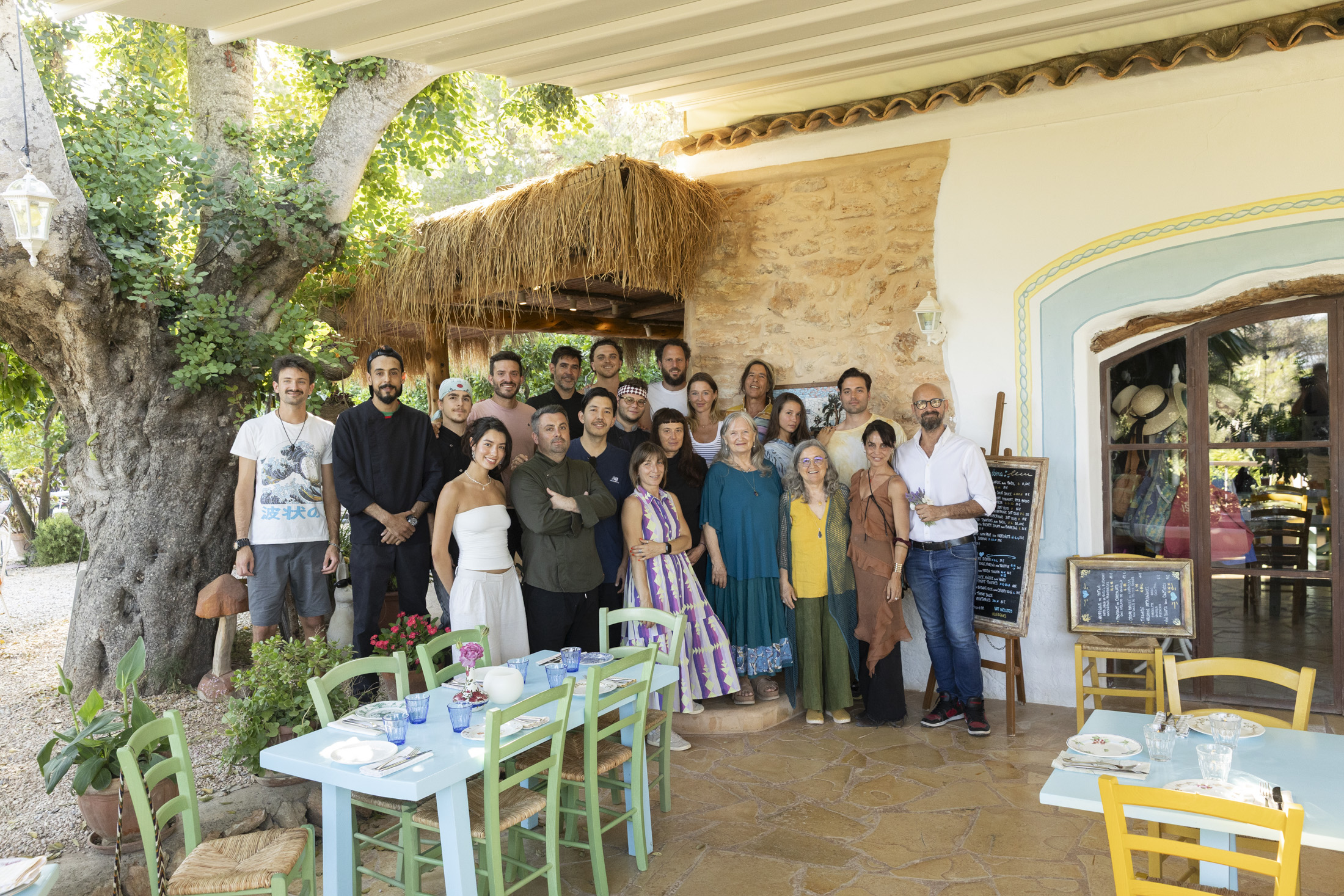
Three different hosts, three distinct corners of Ibiza. At Los Enamorados, La Paloma and Hämbre, food is only part of the story – the real craft lies in making guests feel they belong.
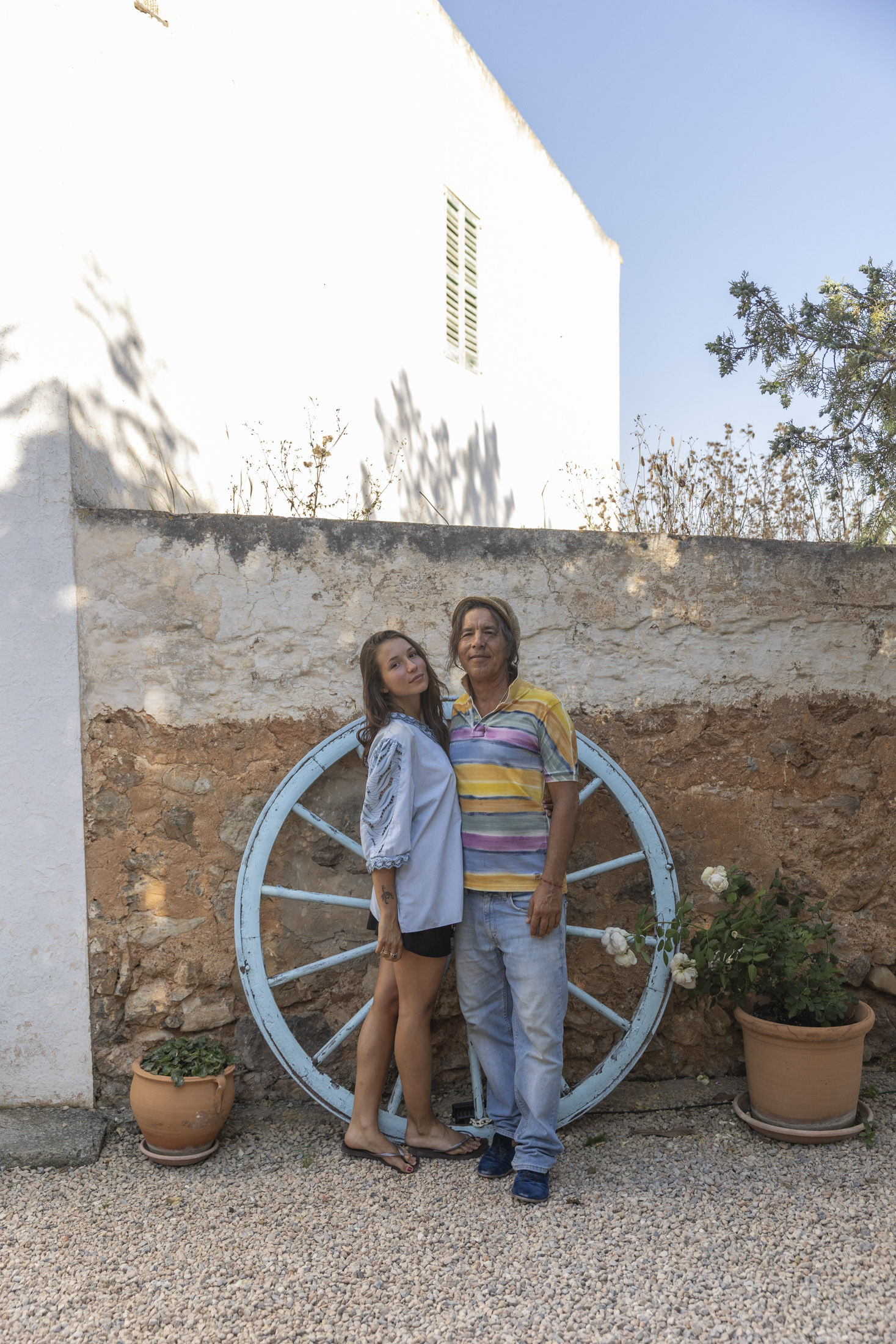
“I want to get to know my guests for real,” smiles Pierre Traversier, the charismatic founder of Los Enamorados. There are warm welcomes, and then there is Pierre’s. A former basketball player turned accidental hotelier, he moves easily between roles: owner, host, island guide, dinner companion, occasional boat captain. Stay at his nine-bedroom hotel or come for dinner on the terrace above the water in Portinatx, and it quickly becomes clear that Los Enamorados is built around a simple idea: making people feel at home. “I never studied hospitality,” he says, “but I think I was made for it.”
Los Enamorados sits at what feels like the edge of the island, where the pace changes and the landscape begins to dictate the mood. Seventeen years ago, Pierre and his wife, fashion editor Roze de Witte, arrived in Ibiza as holidaymakers. They stayed in the south at first, but discovering the north changed their relationship with the island.
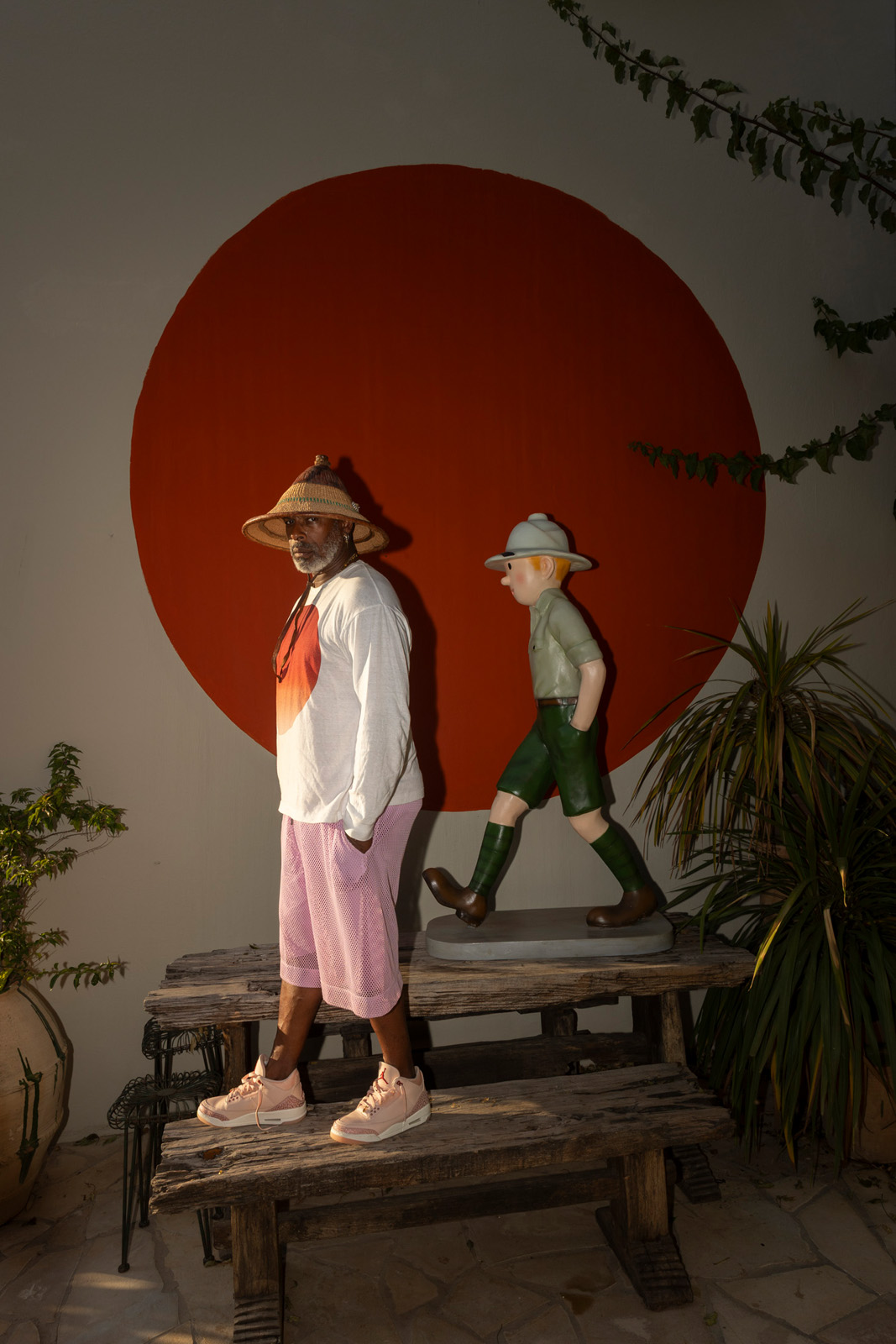
“We are very simple hoteliers, but with a different approach to hospitality. When you wake up at Los Enamorados, you remember the experience”
Pierre Traversier, Los Enamorados
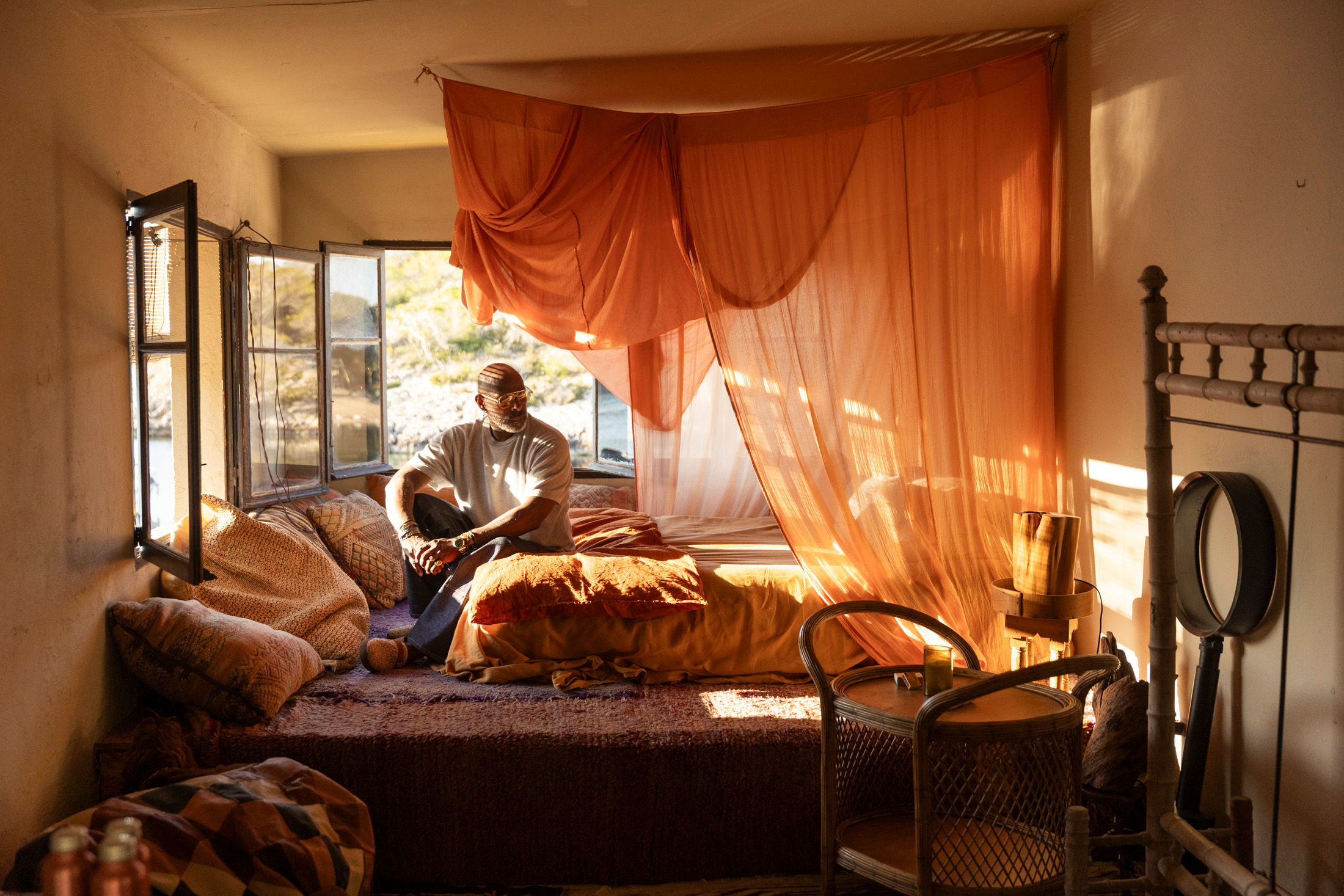
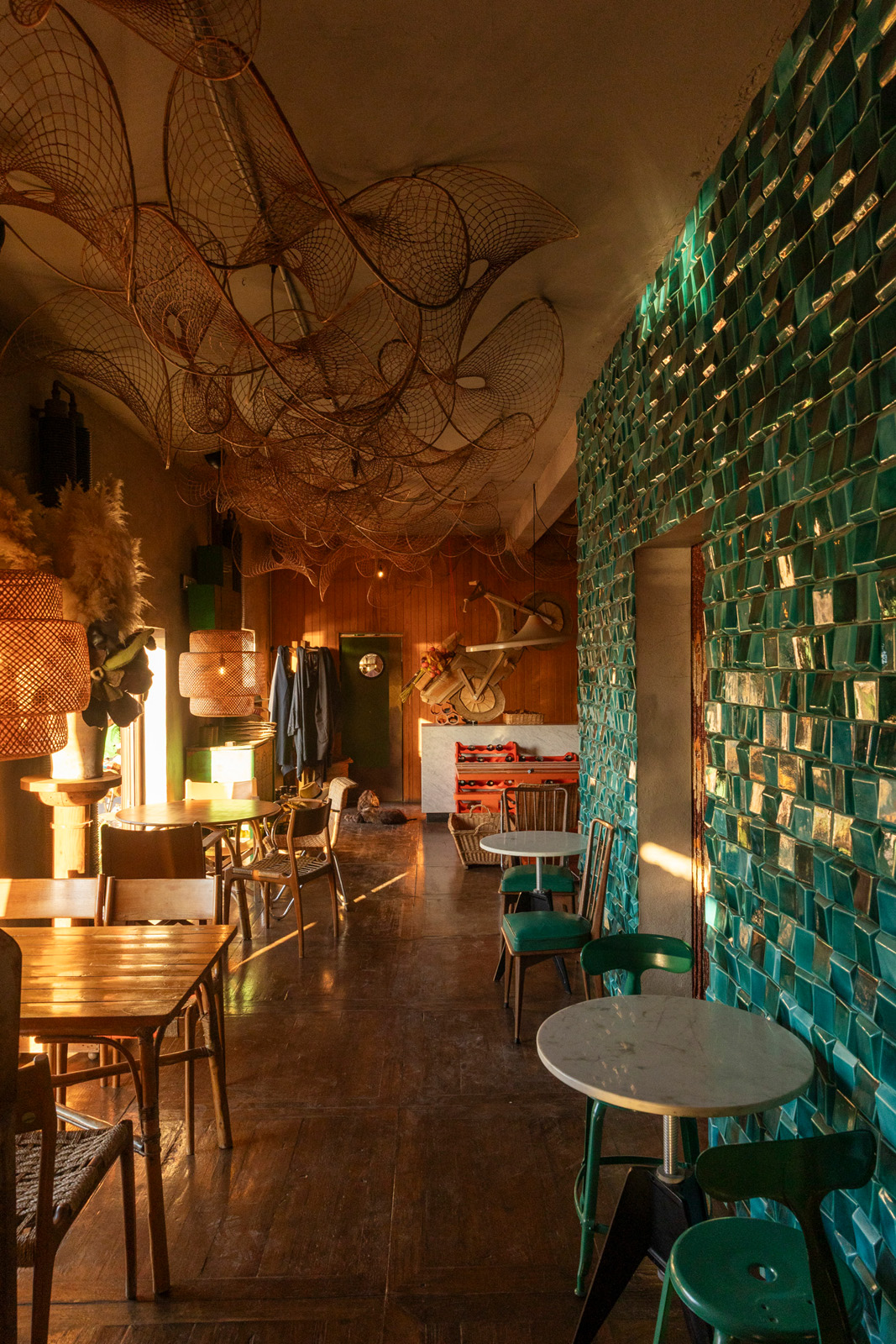
“The quietness, the peaceful atmosphere, the beauty of the place – it felt completely different,” Pierre recalls. “And in terms of location, it’s literally the end of everything, which gives it a very special feeling.”
When they found the abandoned building perched on old fishermen’s boathouses, they originally imagined creating a home for themselves. Instead, the idea evolved into something more generous: a place to share their version of the north, shaped by design, food and a certain ease of living.
“We are very simple hoteliers, but with a different approach to hospitality and a strong identity,” Pierre says. “When you wake up at Los Enamorados, you remember the experience.”
Much of that experience lies in the details. The restaurant spills onto a terrace above the bay; waves lap below, candlelight flickers after dark and service is relaxed enough to feel more like a dinner party than a hotel restaurant.
The food follows the same logic. Overseen by Ibicenco chef Nacho Muela, who returned home after years cooking in Andalusia, it draws on the couple’s travels while remaining rooted in the island — from silky guacamole and gambas tacos to monkfish caught by the local fishermen.
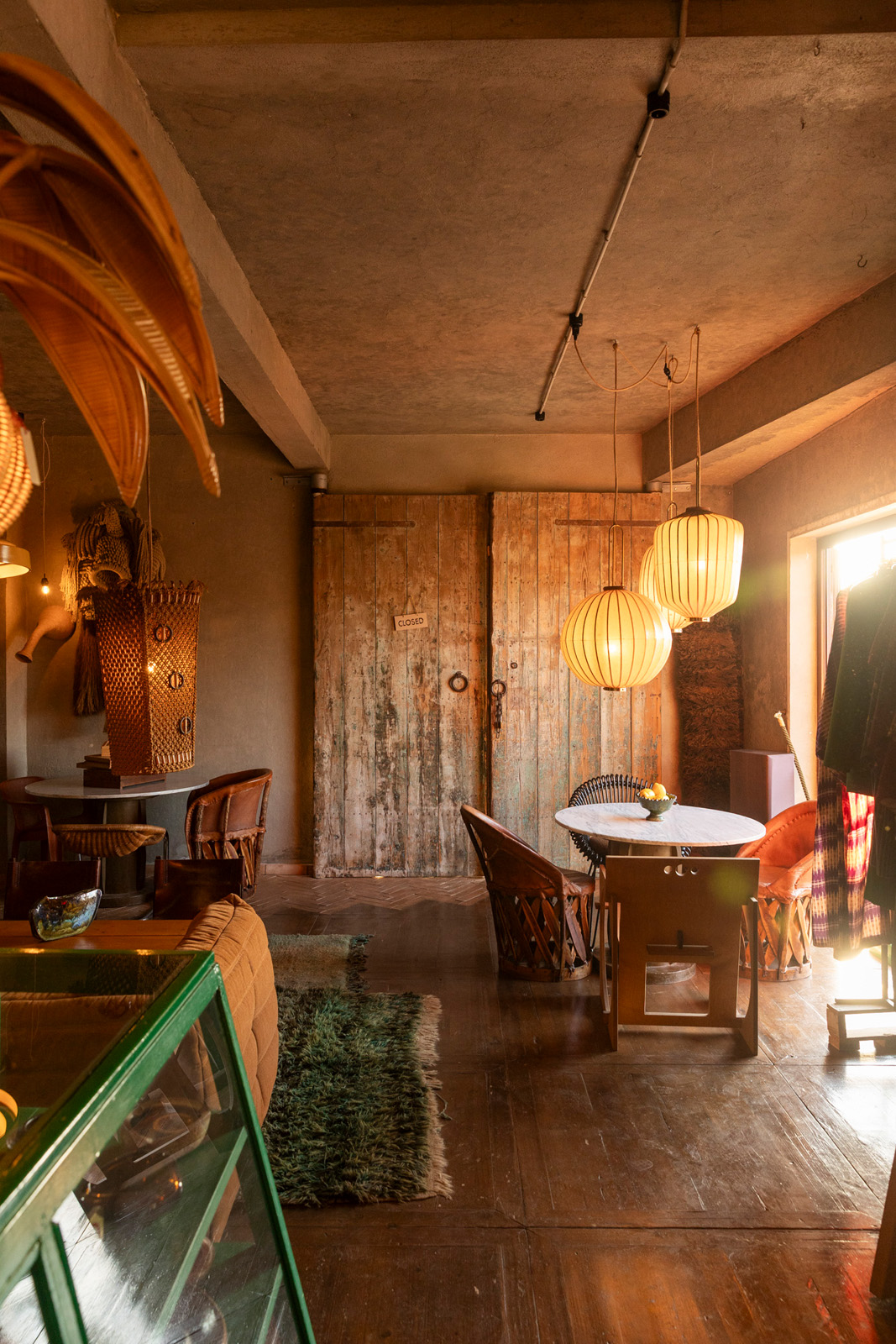
Nothing about Los Enamorados feels staged. Its character comes from the opposite impulse: an eclectic mix of French, Japanese, Spanish, African and Moroccan pieces accumulated over time rather than carefully curated for effect. Almost everything is for sale, but the atmosphere remains unmistakably personal.
That feeling begins with Pierre himself. He remembers names, introduces strangers and often finds himself showing guests corners of the island they might otherwise miss. The scale makes that possible. With only a handful of rooms, hospitality remains intimate.
“I’m a big ambassador of the north,” he says. “Everything here stays easy and personal. You quickly remember the names of your guests. Sometimes I even take them on little boat trips – they really have nothing to worry about here.”
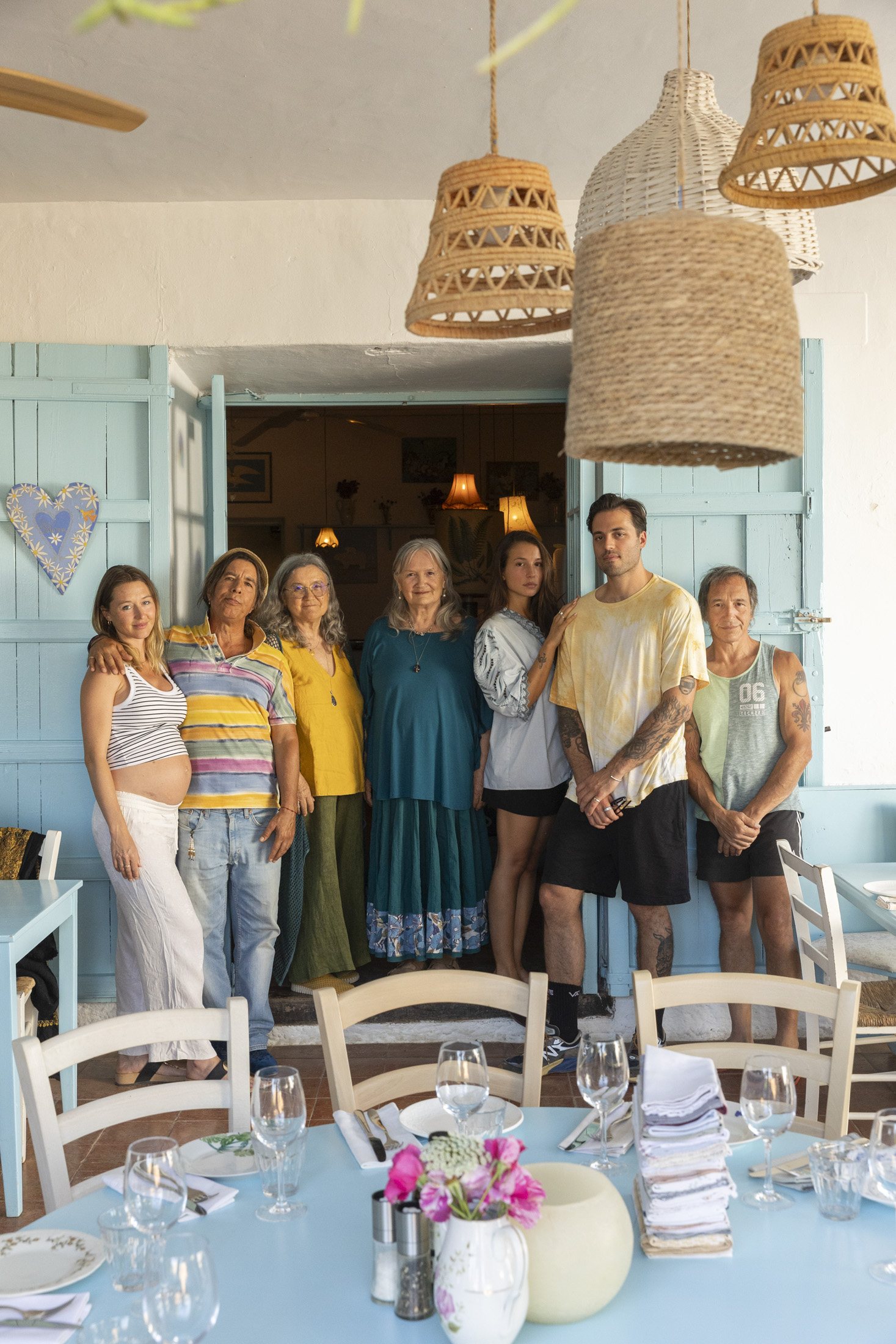
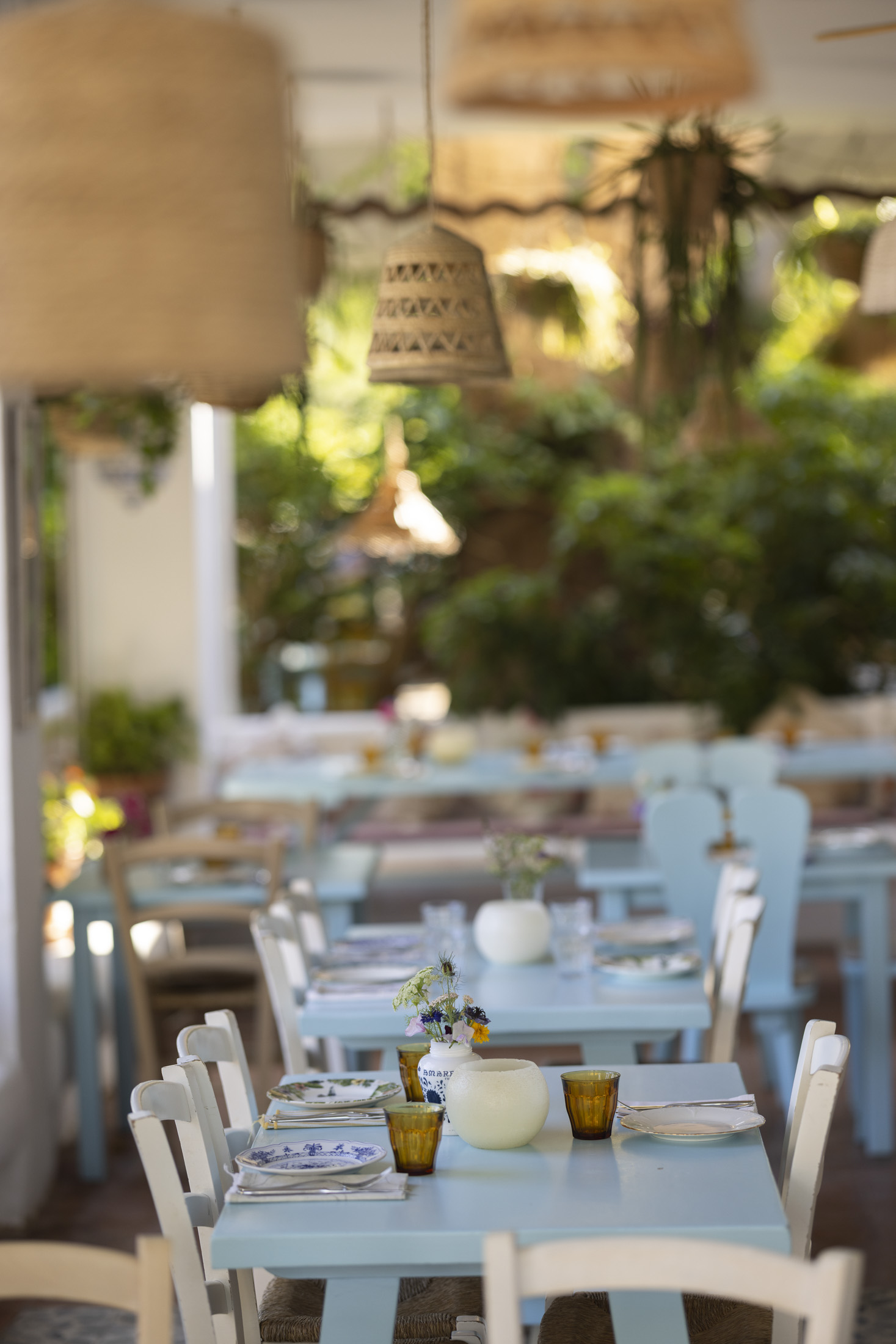
In San Lorenzo, that first-name familiarity is also at the heart of La Paloma. Here though, hospitality is less about escape than continuity: through family, friendship and the joy of simple food. The restaurant, run by chef Prasuna Coppini and her daughter Mouji Longhi, is an island mainstay, although its evolution has been gradual.
“We’re starting our 23rd season. It’s crazy,” begins Prasuna. “My grandson is now working here in the evenings. People who’ve been coming from the beginning remember him when he was small.”
Time is visible everywhere at La Paloma: in the garden, the returning guests and the staff who have become extended family. Alongside Prasuna and Mouji are Prasuna’s sister Samvega, her son Vania, and grandchildren Jai, Liana and Nayeli.
“It’s amazing, the love that you feel around those who are working here,” she says. “Because La Paloma is not just us. So many people have been with us since the beginning of this journey together.”
Prasuna arrived in Ibiza after two decades living in a spiritual community. Her daughter had fallen in love on the island and was pregnant with her second child. Prasuna was in an ashram in India when the call came. “The only thing I knew how to do was cook,” she says.
The idea for La Paloma emerged “slowly, slowly”. A place to welcome people. A place with simple food. A place that could grow out of the people around it. With the help of the late architect and close friend Rolph Blakstad, Prasuna and Mouji went door to door asking if anyone knew of a suitable space, eventually finding a neglected building in San Lorenzo, “in the middle of nothing”, as Prasuna puts it.
“Friends thought we were mad,” she laughs. Her response was characteristically open-ended: “Let’s see.”

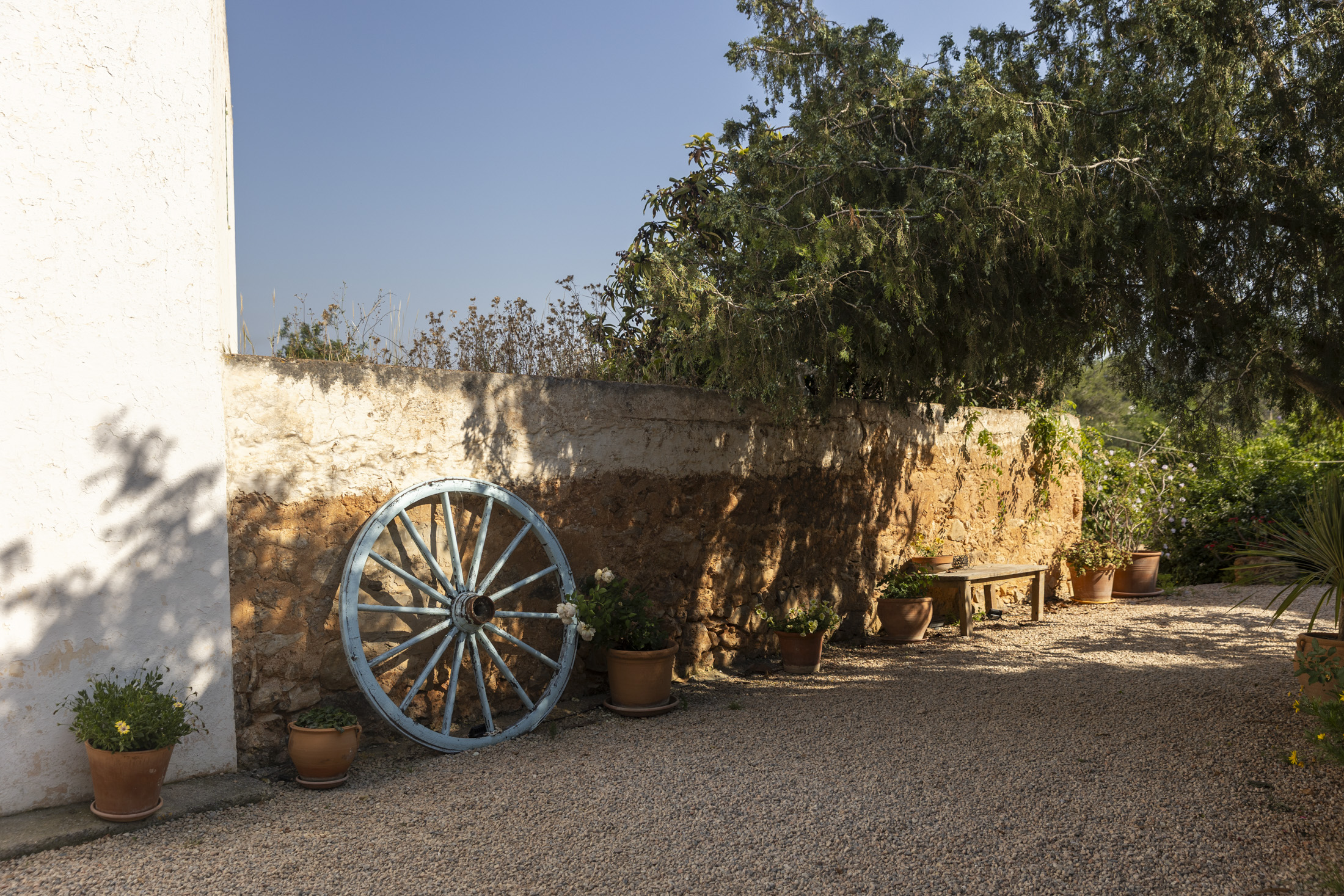
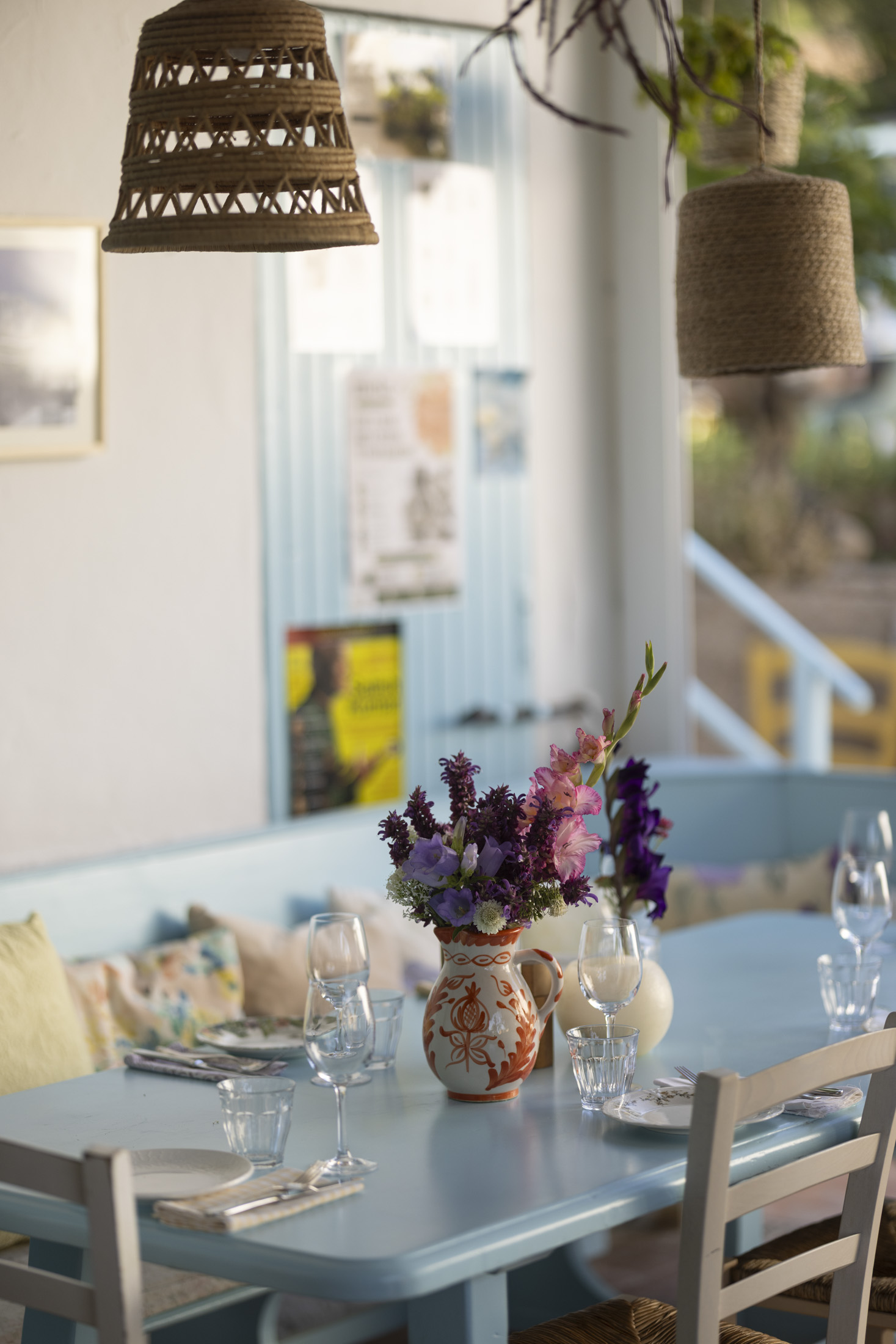
From the beginning, La Paloma was shaped as much by community as by design. Blakstad painted the sign. Artist and horticulturalist Orietta Sala painted trees on the walls. A few tables became more tables. A vegetable garden appeared. The daytime café followed. What began modestly gathered momentum without losing its handmade spirit.
The food remains central to the restaurant’s identity. Rooted in the flavours of Prasuna’s Tuscan childhood, it has evolved with the island and its seasons. Mediterranean cooking meets the Middle Eastern influences of Nir Cohen, who oversees La Paloma Café by day; vegetables come from nearby farms, flowers from the garden and selected ingredients from Italy.
“There’s a lot of passion behind the plate,” she says. “The passion of bringing good food to the table, to people.”
That passion has been passed through the kitchen as much by instinct as instruction. Prasuna speaks warmly of Juanito, one of the chefs who works closely beside her. He started in 2004 – she remembers the exact date. At the time, he spoke no Spanish, she spoke no Romanian, but they found a shared language through cooking. “Now he is the heart of the kitchen in the evening,” she says.
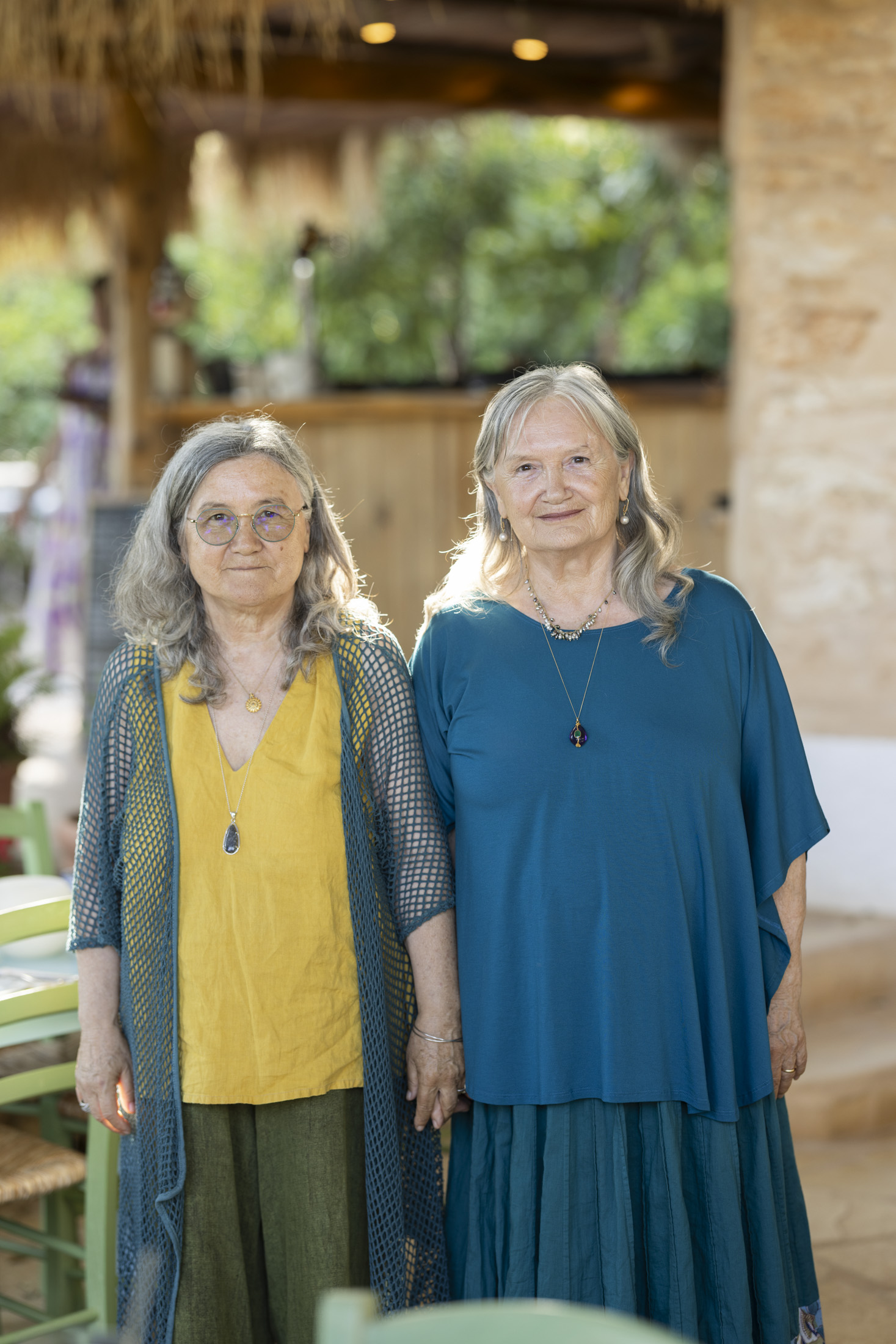
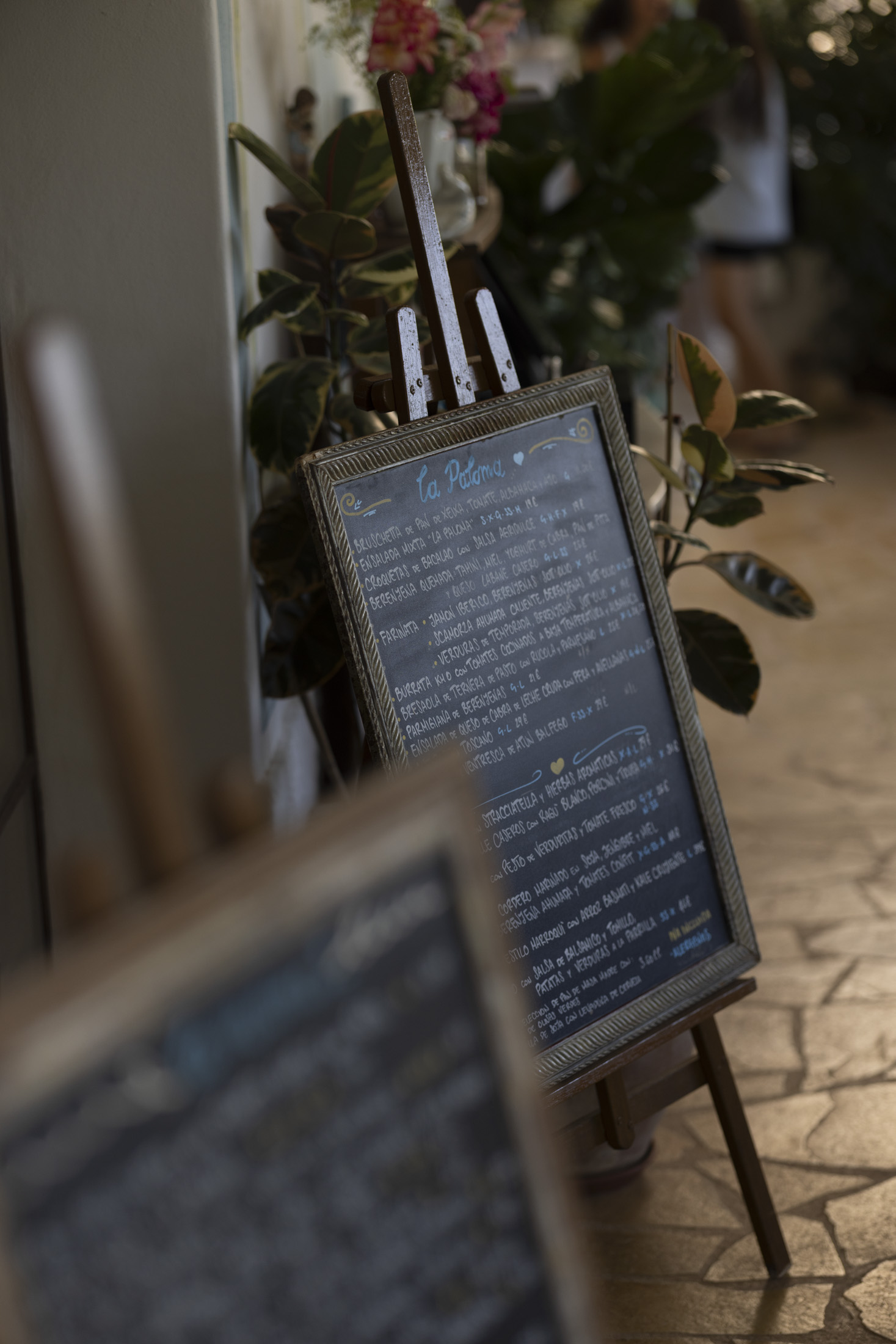
At 73, she is still closely involved with the cooking and sourcing, still searching out the best cheeses and salumi for her antipasto Toscano, still pairing them with kumquat marmalade from the garden, still tasting. Presentation matters, but only after flavour. “I like it when food tells you all the story in the mouth,” she says.
There are dishes that come and go with the seasons: ravioli, tagliatelle, risotto, lamb ragù lifted with lemon zest. Others become impossible to remove. “The codfish croquettes are like a kind of condemnation for us,” she laughs. “We have to make them every day.”
For Prasuna, Ibiza’s spirit lives in its artists, characters and creatives – the people who have left traces in the island’s architecture, art, music and way of gathering. Sometimes she imagines bringing them all together again beneath the stars.
That idea says much about the restaurant. La Paloma has never been only a place to eat. It is a place where generations overlap, where people return year after year because its essence remains unchanged.
“When people ask me what makes La Paloma what it is, the secret – I think it’s very simple things,” reflects Prasuna. “We try to do our best. And that is the point.”
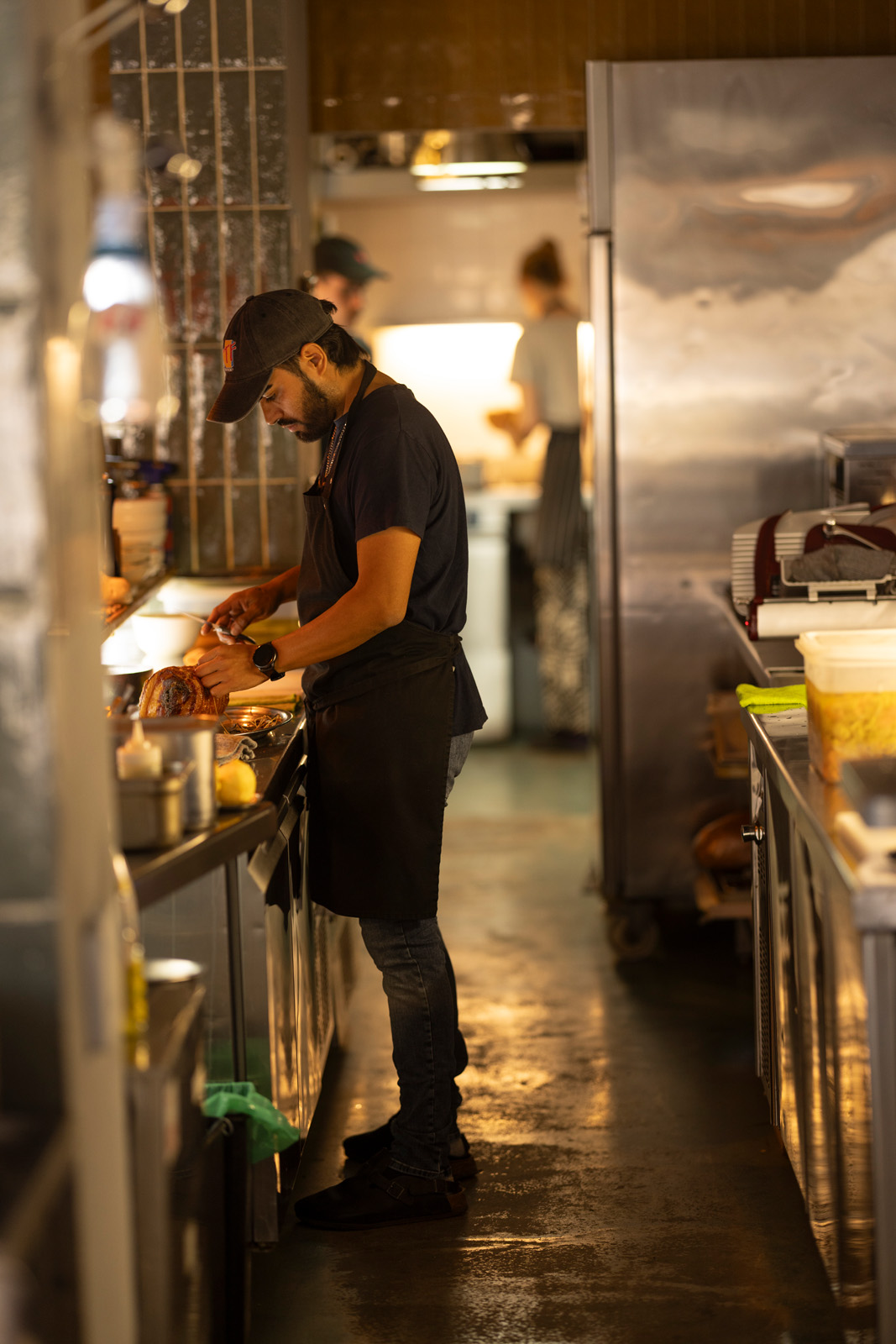
If Los Enamorados leans on its setting and La Paloma on its roots, Hämbre has neither to fall back on. On a backstreet in Santa Eulalia, there is no sweeping view to set the tone – no orange grove, no sunset terrace. Instead, husband-and-wife founders Matías Romano and Antía Pagant have built their restaurant around food, wine and atmosphere.
“Sometimes people reserve and ask for a table with a sea view,” laughs Matías. “And I’m like, OK, it’s impossible. But you’re going to eat well.”
Matías, who is from Argentina, and Antía, who was born in Galicia, met while working in the New York restaurant scene. When they opened Hämbre eight years ago, they wanted to create the kind of place they themselves wanted to go to.
“When I came here for the first time, I fell in love with the island, but not really with the food,” says Matías. “We thought it would be nice to open a place and do something local, authentic, seasonal. With a city spin, but still respectful.”
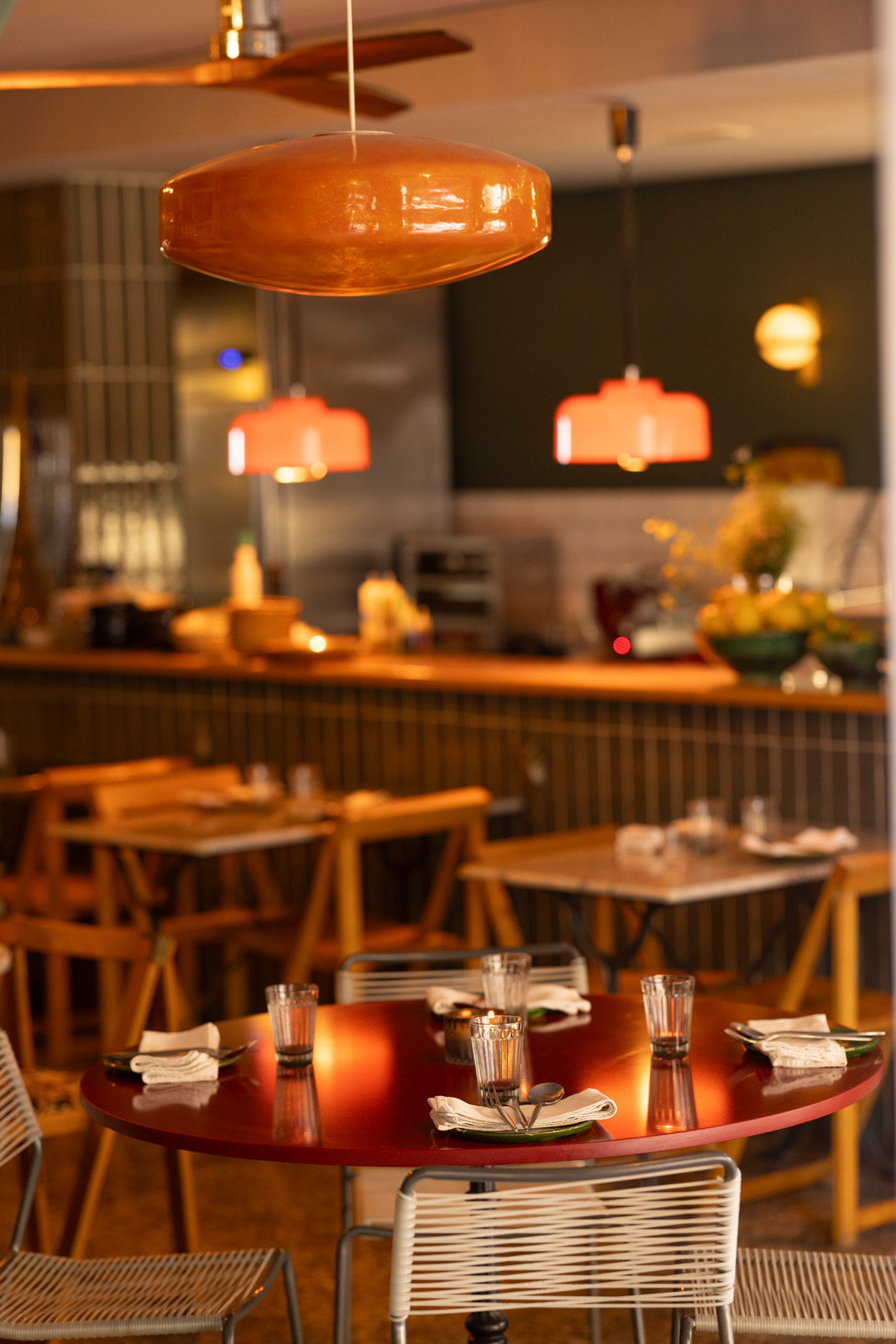
From the outset, Hämbre was intended as a year-round restaurant – a place for locals as much as visitors, for winter evenings as much as summer nights, for people who come less for the setting than for the feeling in the room. The tables are close together, the kitchen is open and the soundtrack matters almost as much as the menu.
“We are not a location place,” says Matías. “We are one hundred percent a vibe place. People are coming for that.”
That vibe begins with ingredients. The food is designed for sharing and driven by whatever is available from local producers. “I like to say that the food is honest,” says Matías. “You don’t need to be serving caviar. You can be doing something obvious with carrots from the island, or celery root, in the same way as monkfish or prawns.”
That approach has made unlikely signatures of humble ingredients. One of Hämbre’s bestsellers is its kale salad, a dish so popular that the restaurant began working with a farm able to grow kale for them year-round. Can Cristòfol, Matías says, was one of the first producers on the island to really support them; Juntos, which supplies their eggs and honey, is part of the same close network. Those relationships are as important as the produce itself.
“We work with local products and producers, year-round, so it’s sustainable for real,” he says. “It comes back to that sense of honesty, in the way you work. It’s a different mindset.”
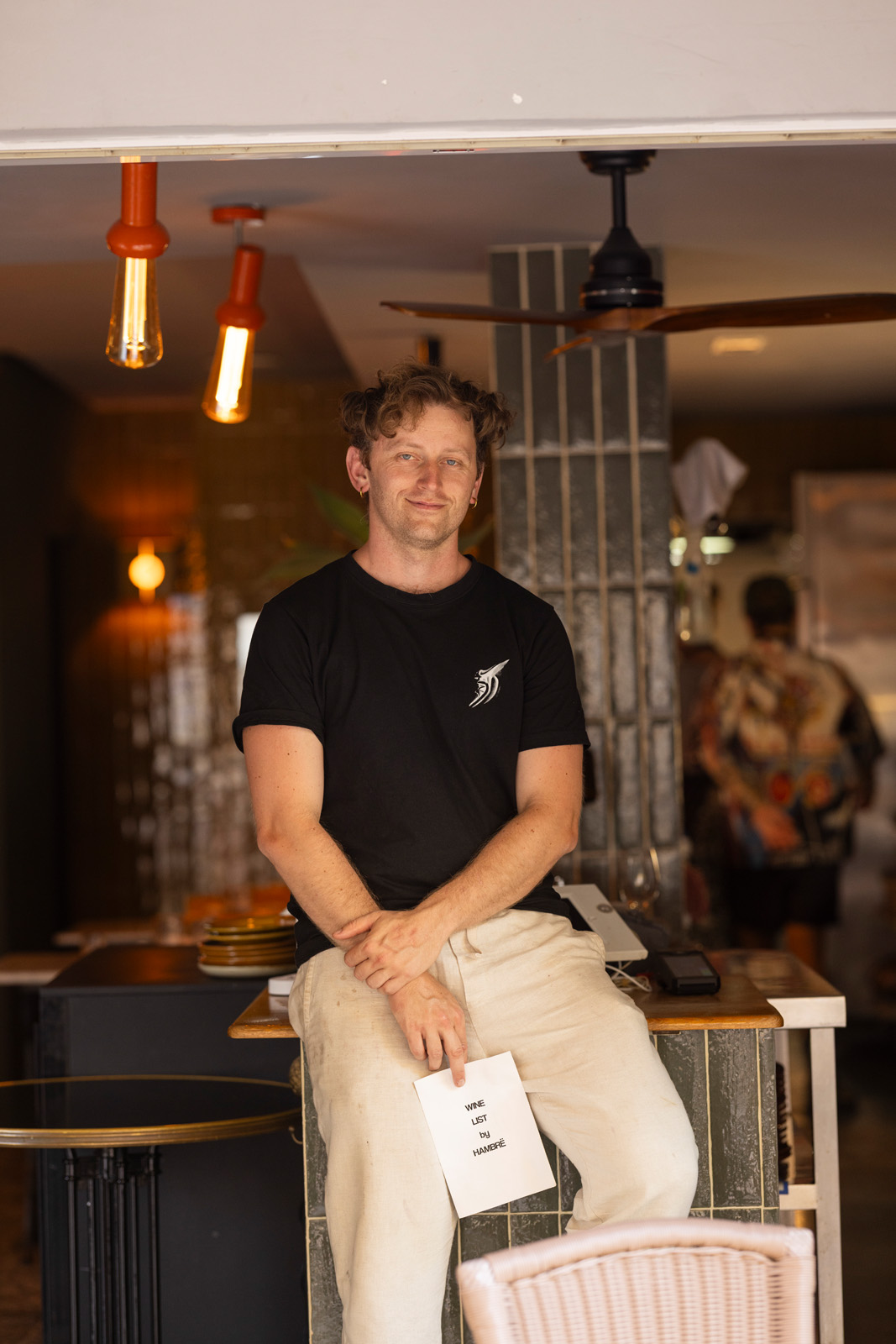
Natural wine forms the other half of the equation. For Matías, it reflects the same values as the food: slower, smaller scale, with a connection to the land and the process behind what ends up on the table.
“We were already on that path with the food, so the drinks needed to follow.” Today, the restaurant sources wines from Mallorca, Barcelona, Valencia and further afield, always looking for bottles that fit the philosophy.
The island has changed around them too. Where once there were only a handful of restaurants working this way, Matías now sees a growing network of chefs and restaurateurs championing local produce, natural wine and a more laid-back style of dining.
“I’m glad because now when foodies come here, they have more options,” he says. “We recommend our friends’ restaurants, and they recommend people to us. It’s a small community of people doing this type of food; we help each other.”
That collaborative spirit extends beyond the restaurant. Drawing on Antía’s background in fashion and photography, the pair now work on creative concepts, food consultancy and events. Yet Hämbre remains the centre of it all: a small, energetic room where hospitality feels personal rather than performative.
“The people set the vibe,” says Matías. “We bring that energy to the food, the wine and the music. In the end, everyone leaves a little happier. It’s a small place, and we want it to feel like our own home.”
Related articles
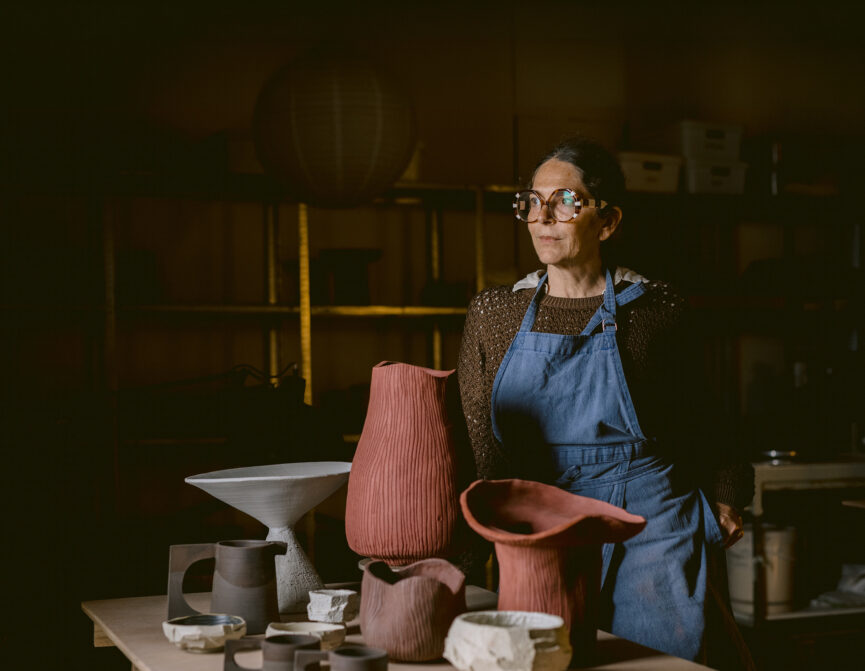
Meet Ibiza’s contemporary ceramic artists
We speak to five studios at the forefront of the island’s pottery revival about the inspiration behind their work.

Diego Calvo: The original Ibizan rockstar
Cited by some as the original Ibizan Rockstar, Diego Calvo is an island native and owner of the Concept Hotel Group.