




Nina and David McNab on transforming a dilapidated Art Deco-era building into a sustainably minded home.
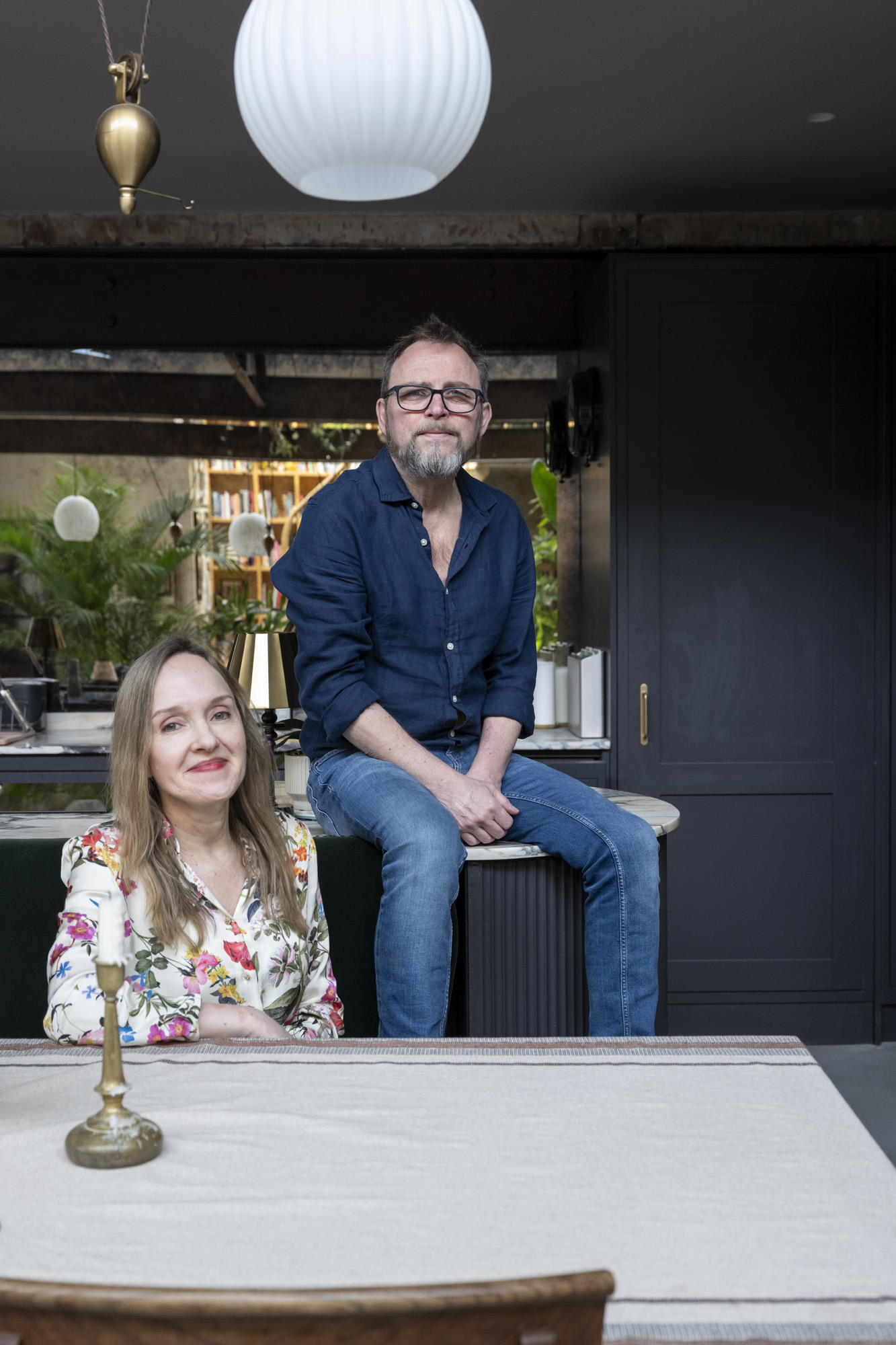
Step inside Nina and David McNab’s quietly tucked-away Chiswick home and, at first glance, you might miss its past. Only a series of black-and-white photographs in the entrance hall hint at its former life as the storehouse of builder’s merchant F.S. Latter Ltd.
“We found a pocket price list from 1938 – everything from fireplaces to paint brushes,” Nina smiles. “A kind of Art Deco-era B&Q.”
When the couple – who run interior design practice Studio McNab – bought the building at auction in 2022, it was in far worse shape than the catalogue suggested. Flooded, derelict and earmarked for demolition, it required a certain imagination. But where others saw a teardown, they saw potential in the steel frame and distinctive zig-zag rooflights.

“Keeping it felt like the right thing to do, not just aesthetically, but environmentally too,” says Nina. “So instead of starting again, we reapplied for permission to retain as much of the structure as possible.”
It was a bold move, she admits. What followed was their most ambitious project to date. Working with WGP Architects and Loud Architects, the couple stripped the building back to its bones and rebuilt it with a lighter touch – removing gas, installing an air source heat pump and incorporating reclaimed materials, including a second-hand kitchen sourced via Rehome. The result is a home that feels both grounded in its industrial past and entirely reimagined for modern living.
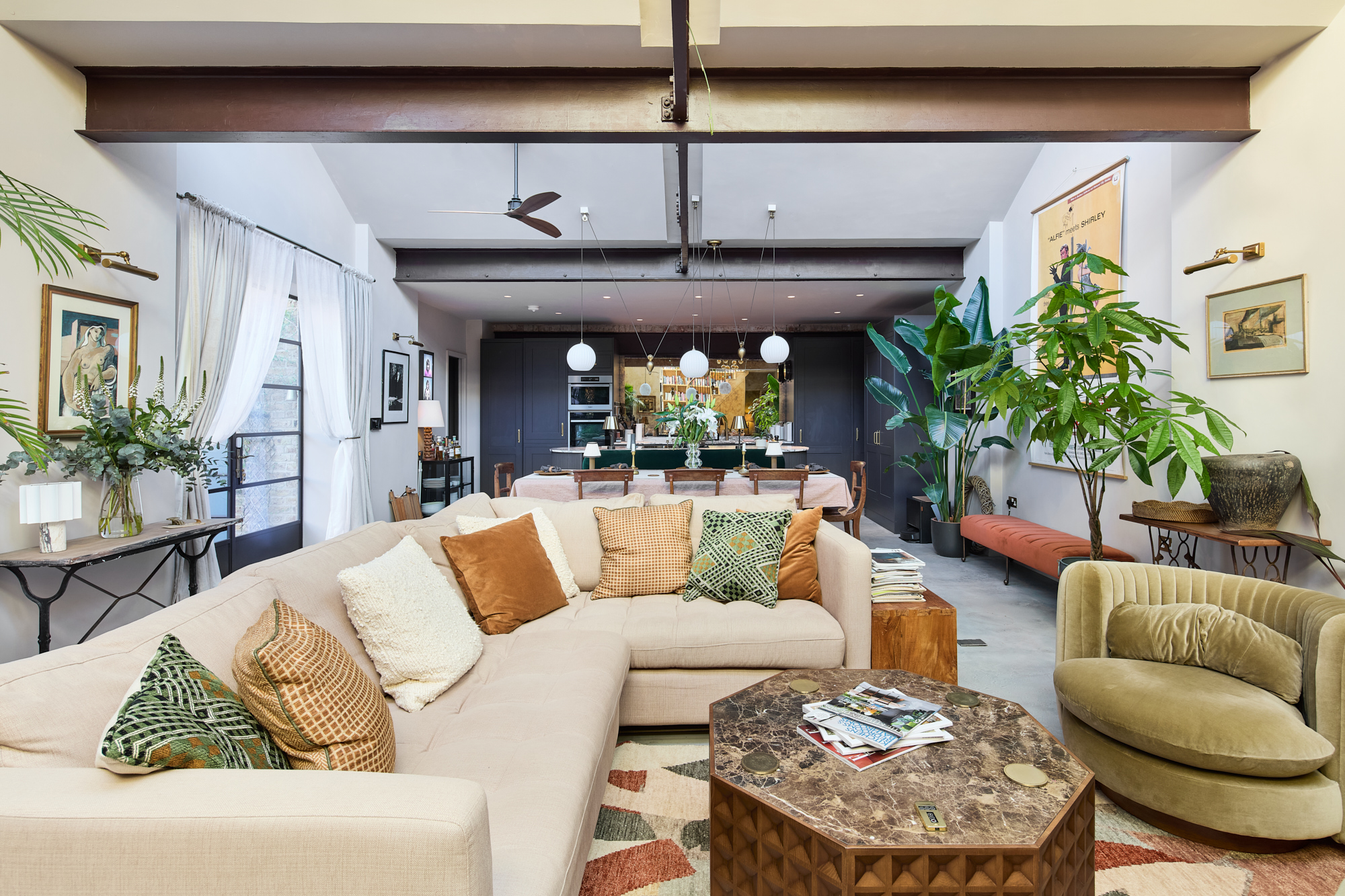
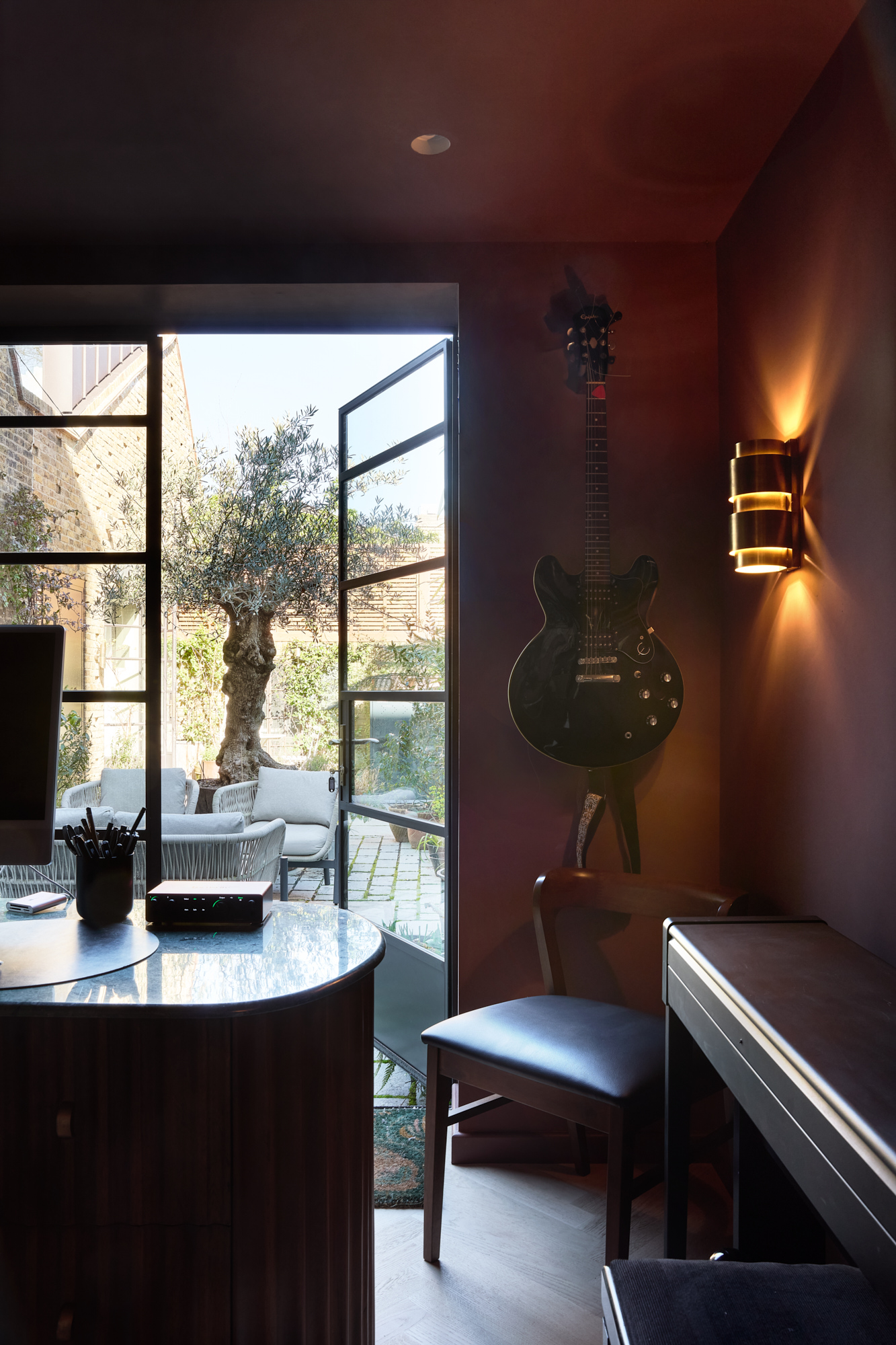
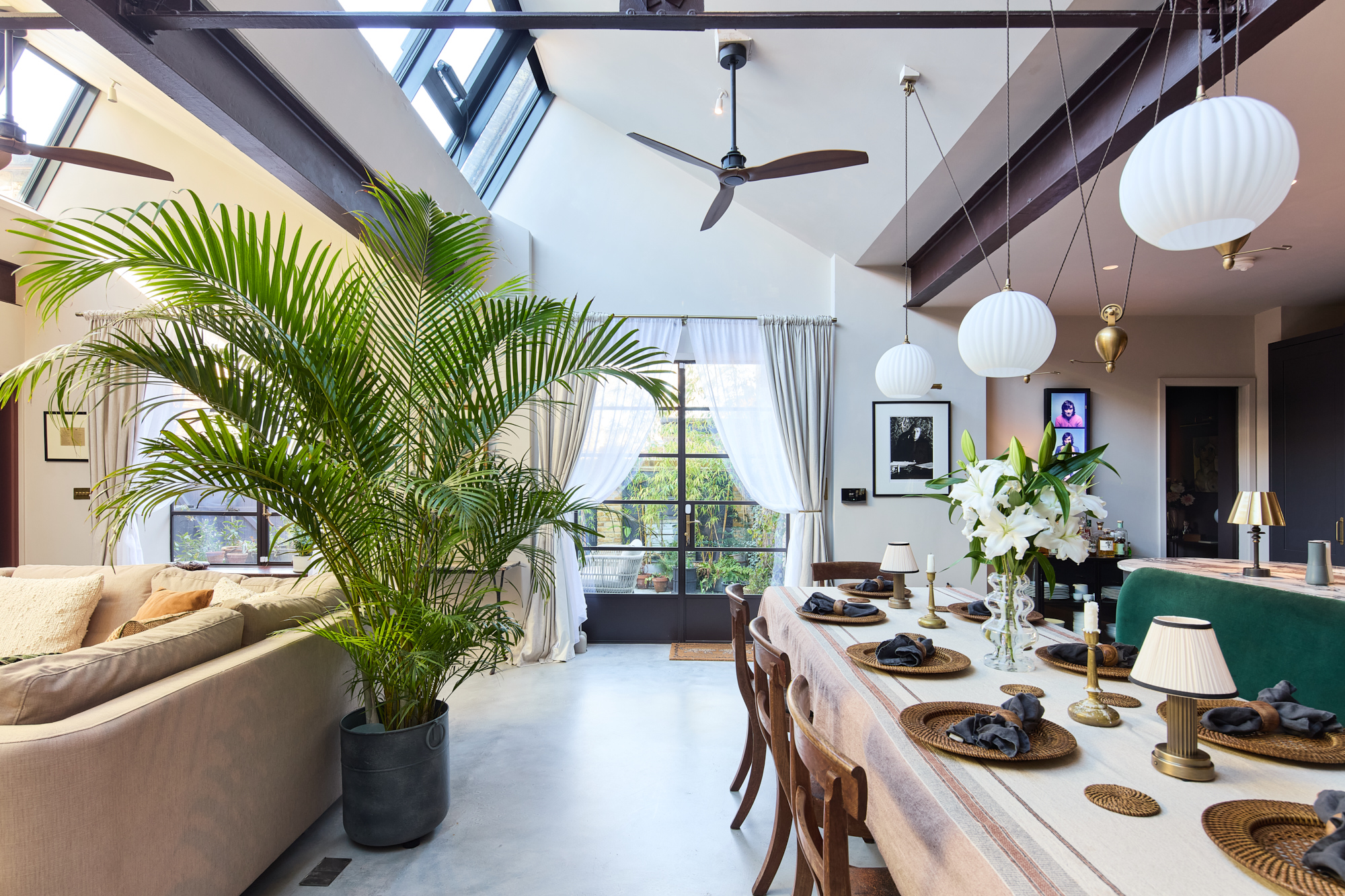
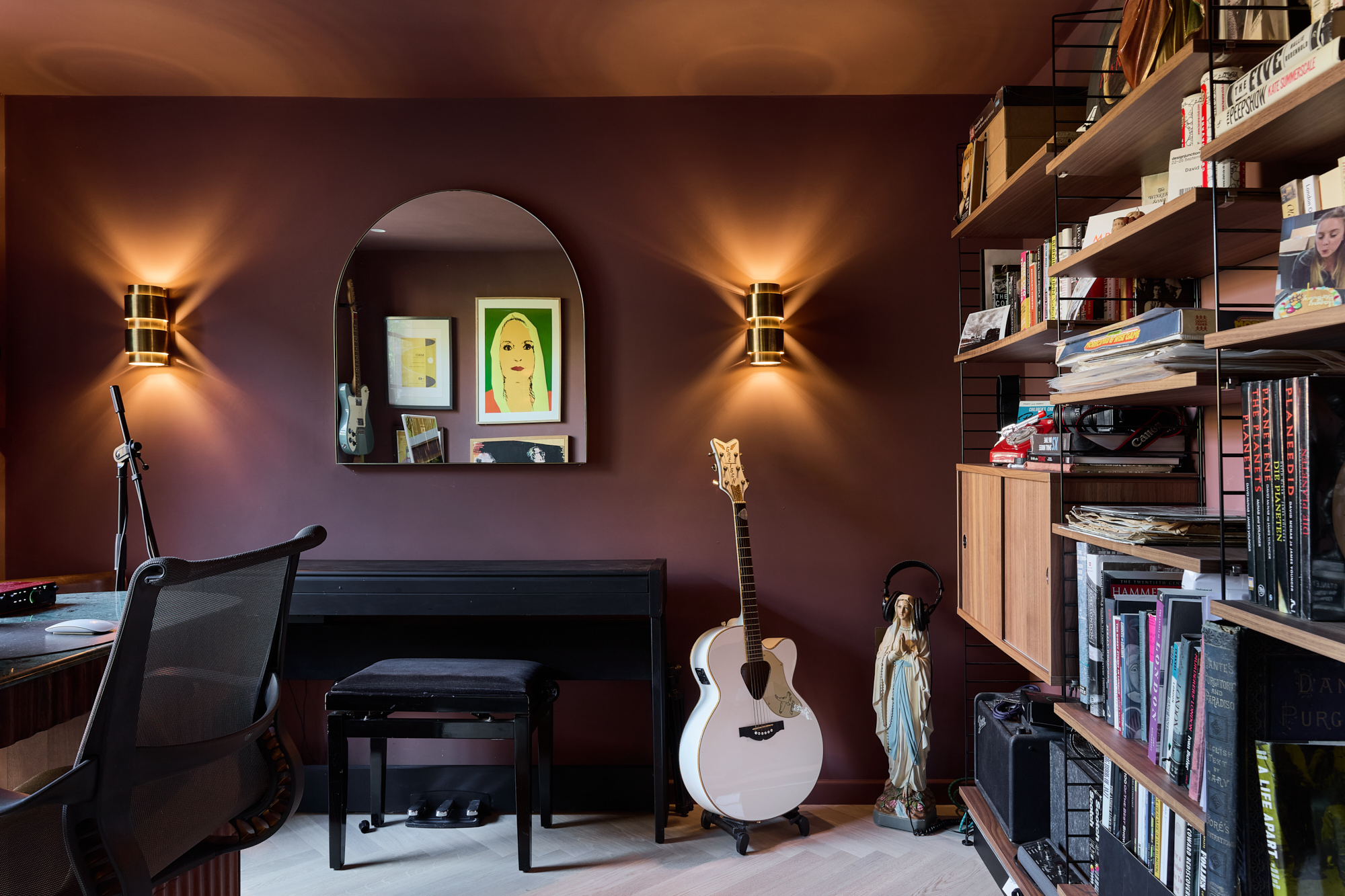
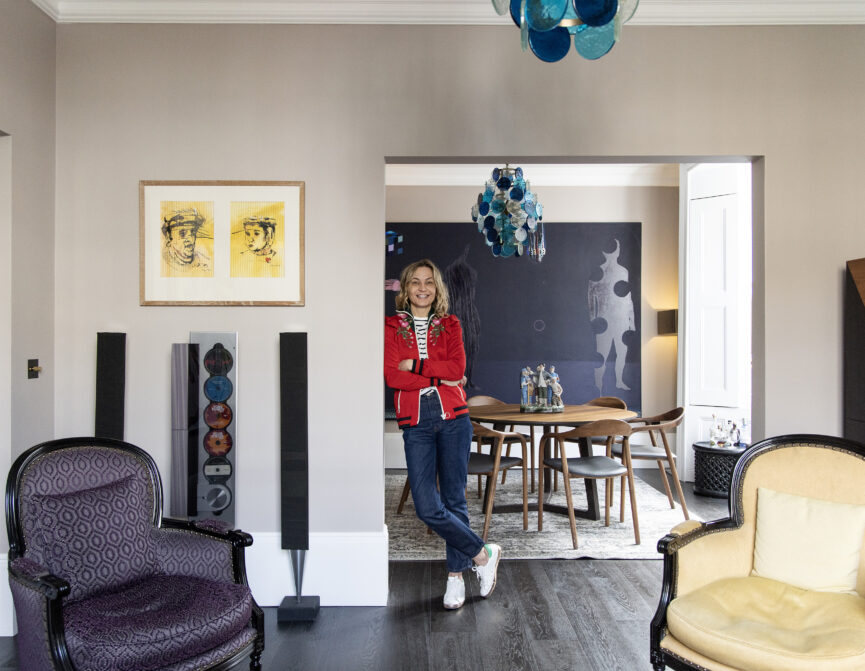
At its heart is a generous open-plan living, dining and kitchen space, where the original structure has been preserved and celebrated. New interventions – including a two-storey glazed extension – introduce light and volume, and a bedroom suite on each floor. A more compact addition at the other end accommodates a study and shower room.
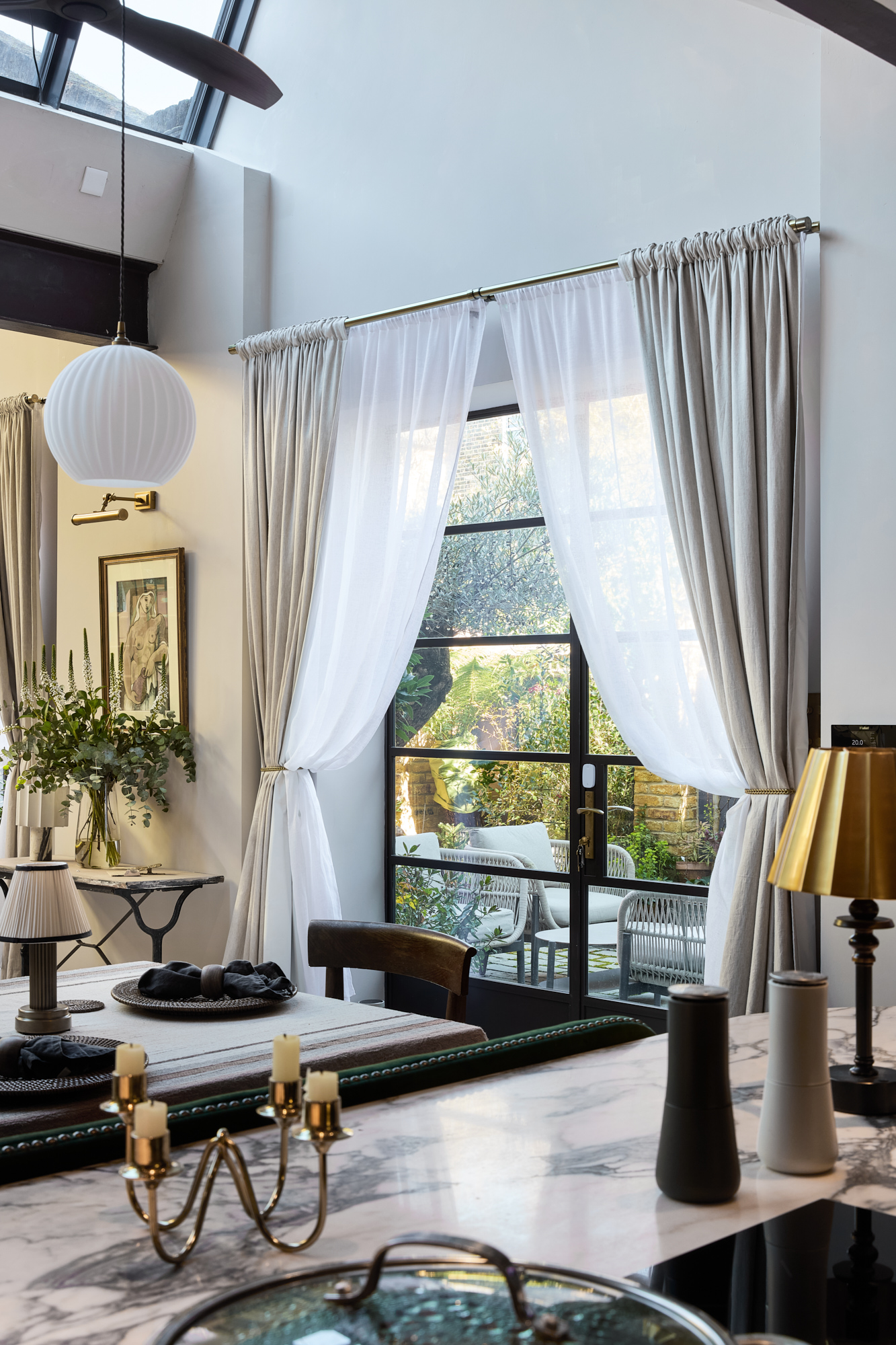
“The Art Deco influence was something I kept coming back to and riffing with,” Nina explains. “Not in a literal way, but in the shapes, materials and proportions.” Crittall-style doors in a soft brass finish echo the building’s origins, while curved forms and a muted palette lend a sense of cohesion. The overall effect is relaxed rather than referential – a careful balance of old and new.
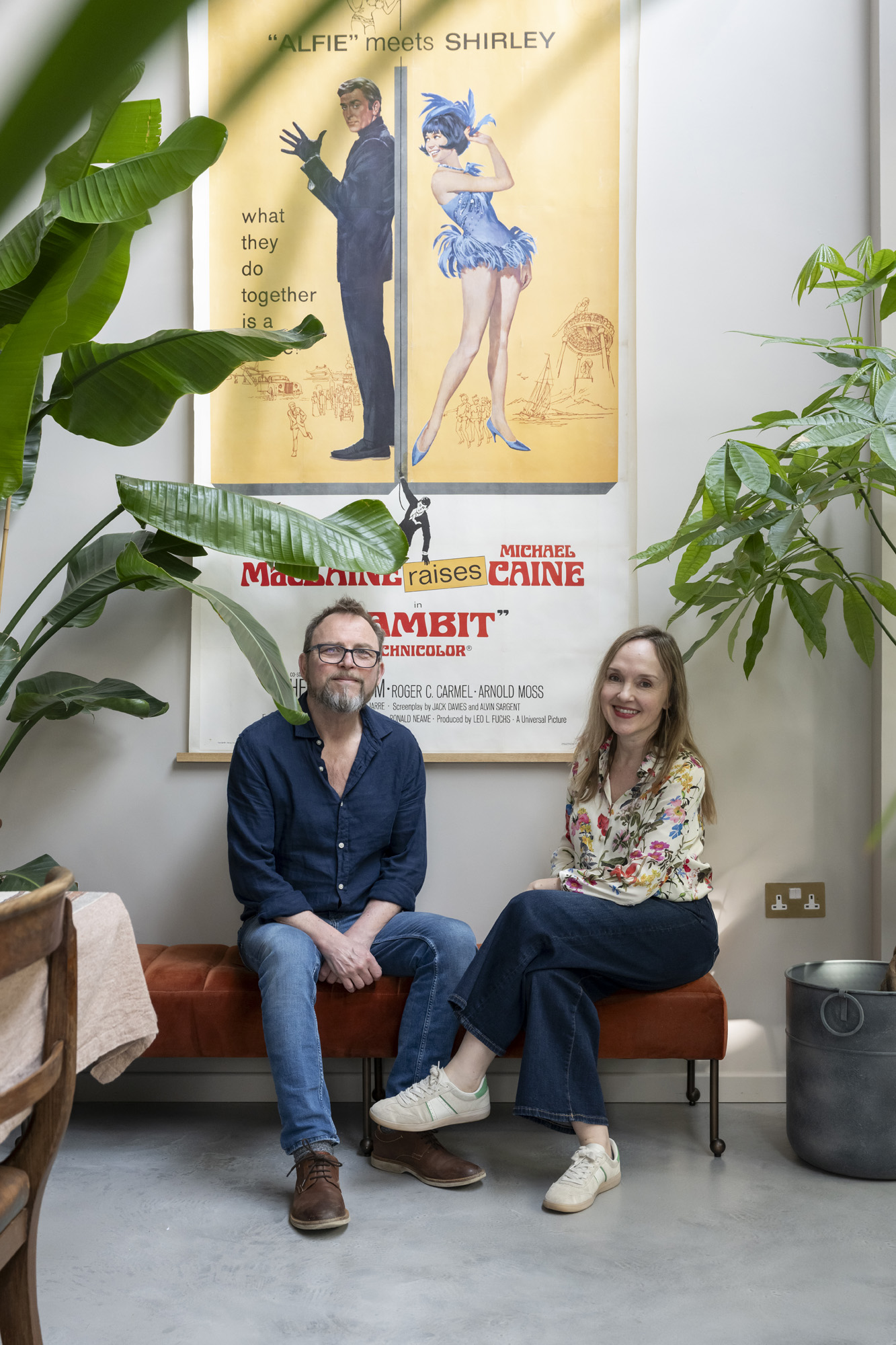
“You come through the gate, and it feels like a little sanctuary, like you’ve stepped into something hidden.” Nina McNab
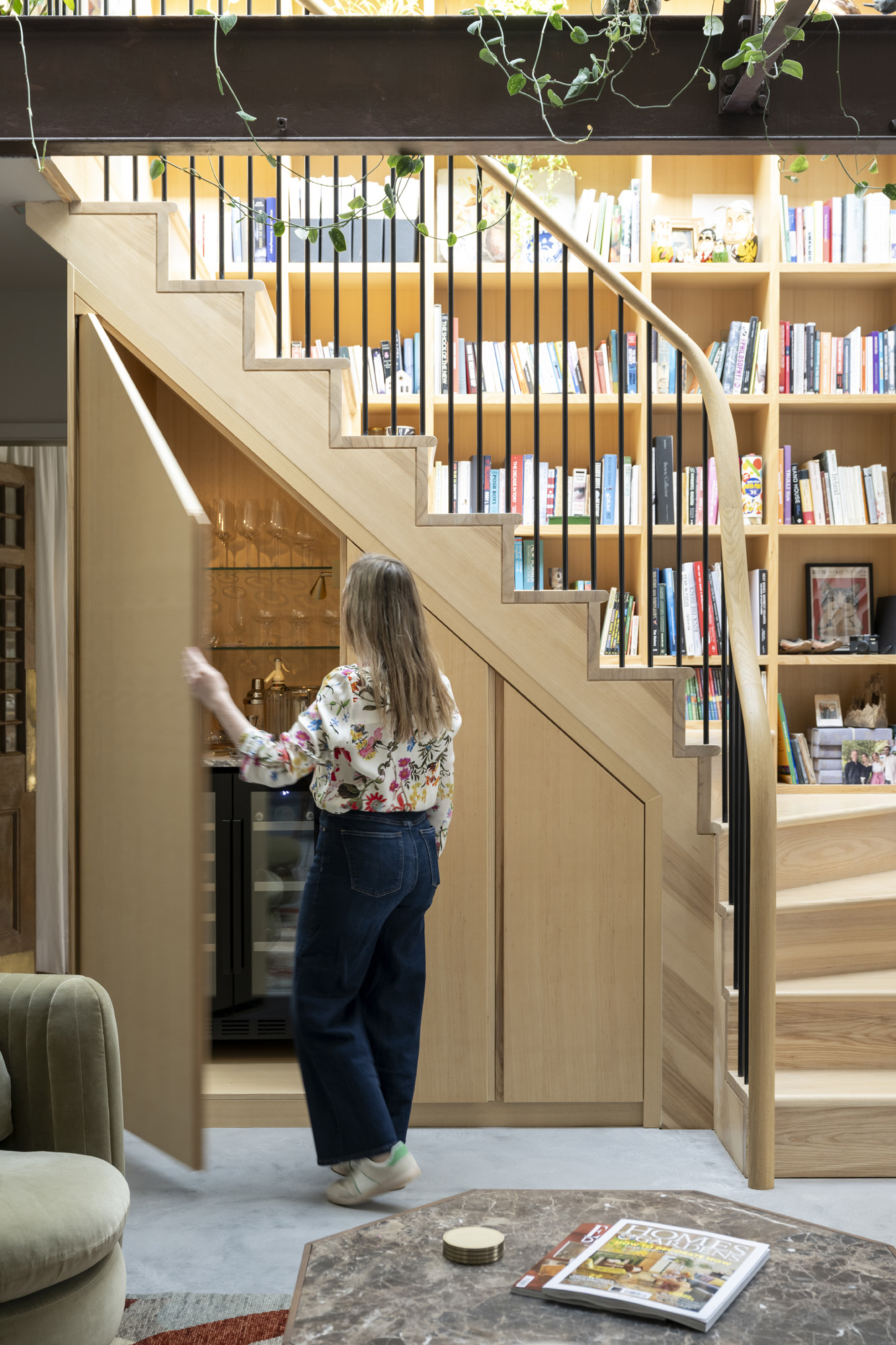
Throughout, the architecture is allowed to take the lead. Ceiling heights rise to over four metres, clerestory rooflights draw in shifting daylight, and exposed steel beams sit alongside a sculptural timber staircase that doubles as a full-height bookcase. It’s a playful yet practical centrepiece, and a reflection of the couple’s approach to design.
Having renovated three previous homes – alongside their work with clients – the pair are instinctively hands-on. “We’ve learned a lot from living in the spaces we design,” says David. “You understand what really works day to day.”
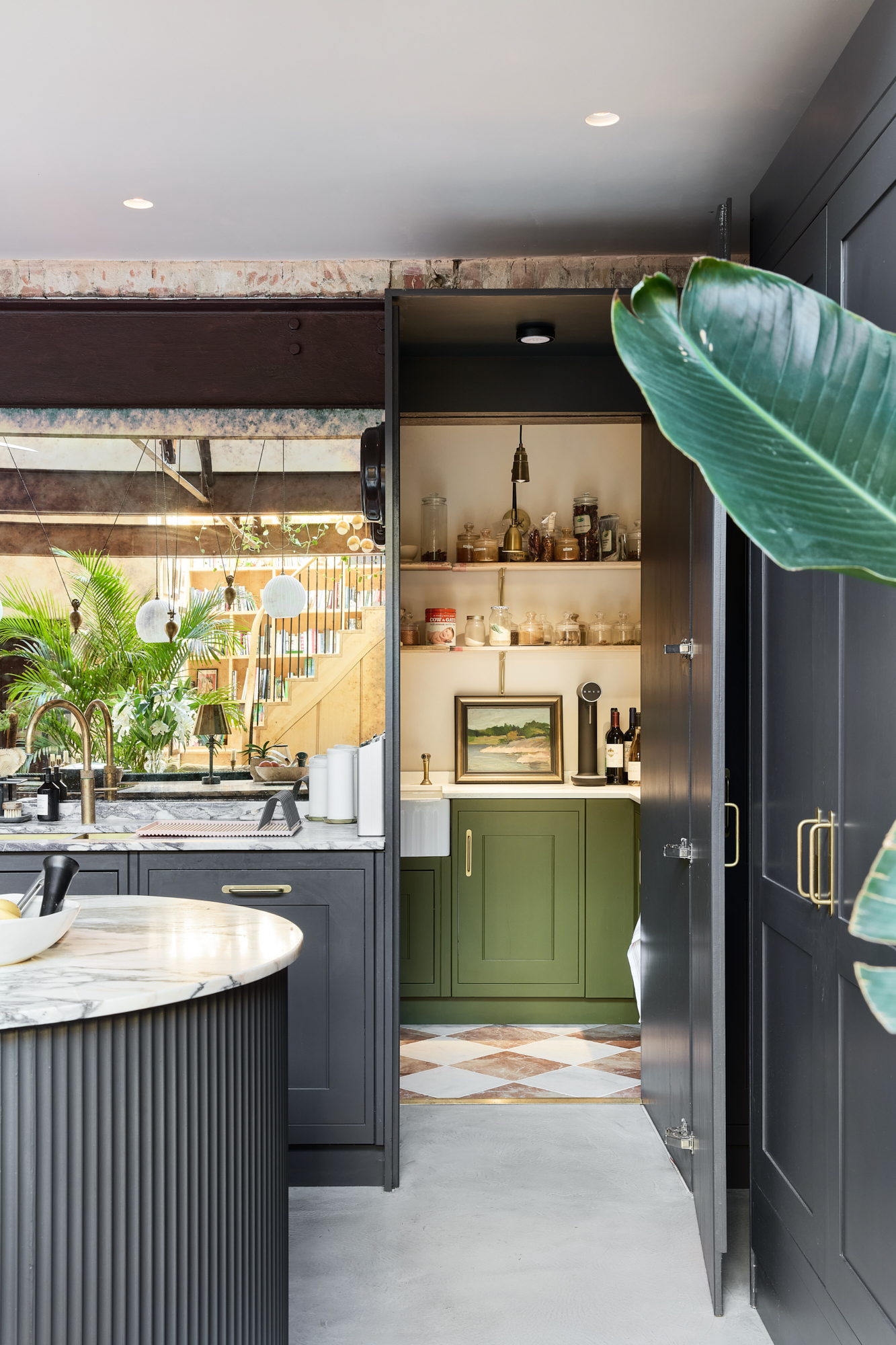
That thinking is expressed in a series of subtle but considered ways, resulting in spaces that flex for everyday life – both theirs and whoever comes next. A freestanding bench replaces a fixed banquette to allow flexibility. The study wing has its own en suite, meaning the potential to be transformed into a third bedroom. A concealed pantry – compact but highly efficient – doubles as utility, laundry and storage space, with room to wash the dog or hide the aftermath of a dinner party behind closed doors. “It’s probably the hardest-working room in the house,” Nina laughs.
Elsewhere, practical decisions are guided by experience: a hidden coffee station keeps surfaces clear without sacrificing convenience, while the kitchen layout – with the hob set into the island – ensures whoever is cooking remains part of the conversation.
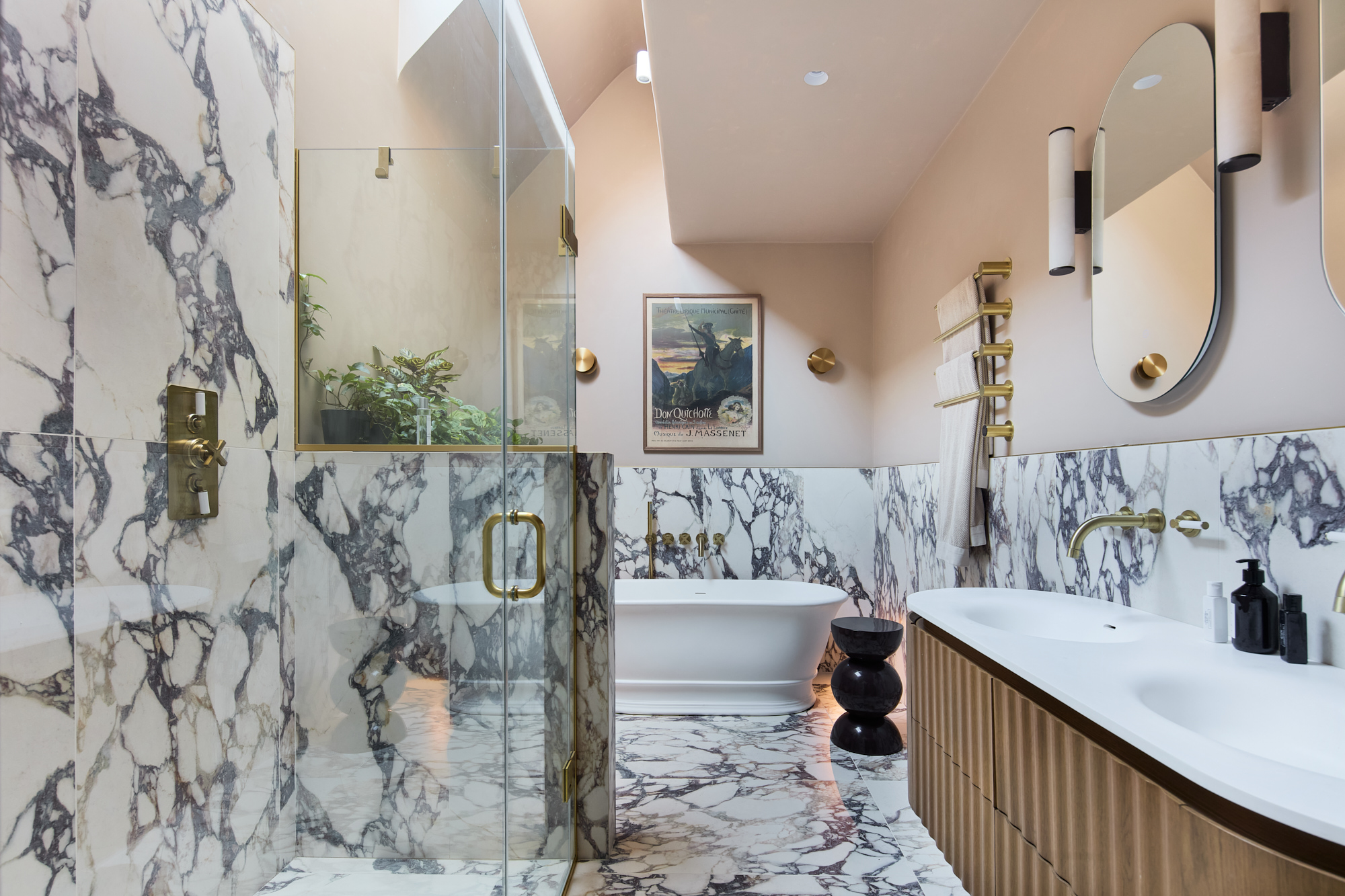
But beyond these practical moves, a more fundamental challenge emerged: light. With the building surrounded by neighbouring walls and a car park, introducing it required creative thinking. In the principal en suite, the solution came in the form of a rooflight carved into the upper level – an intervention that has become one of their favourite features.
“The constraints actually pushed us to do something more interesting,” Nina reflects. “The roofline now brings in this soft, diffused light that changes throughout the day.”
That relationship with light extends beyond the interior. The living space, principal bedroom and study open onto a private courtyard garden – a small, unexpected pocket of calm – while the guest suite has its own terrace, maintaining a constant connection between inside and out. “In summer especially, it completely transforms how the house feels,” she says. “And in the evening, when you come back and the lights are on, it’s kind of magical.”
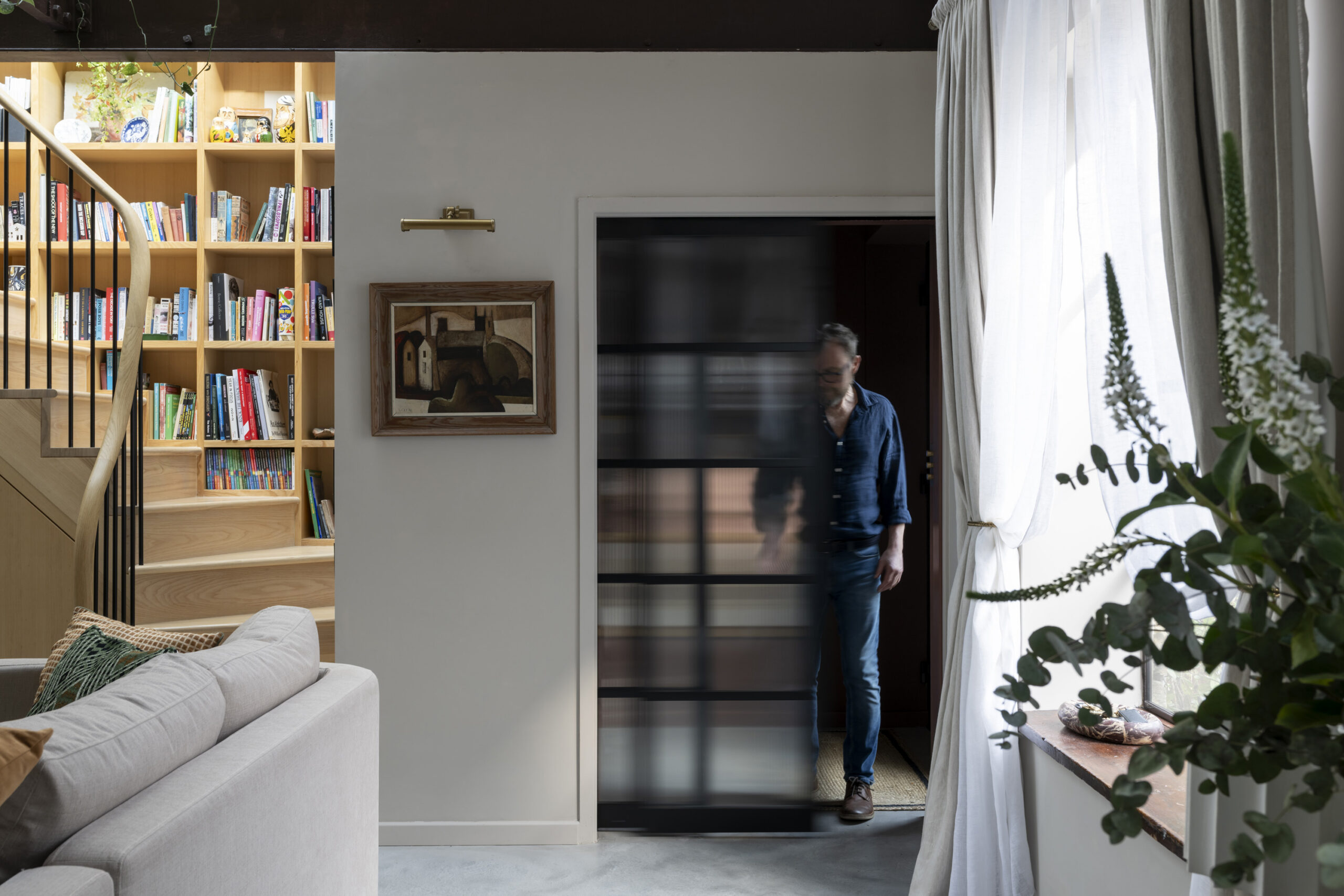

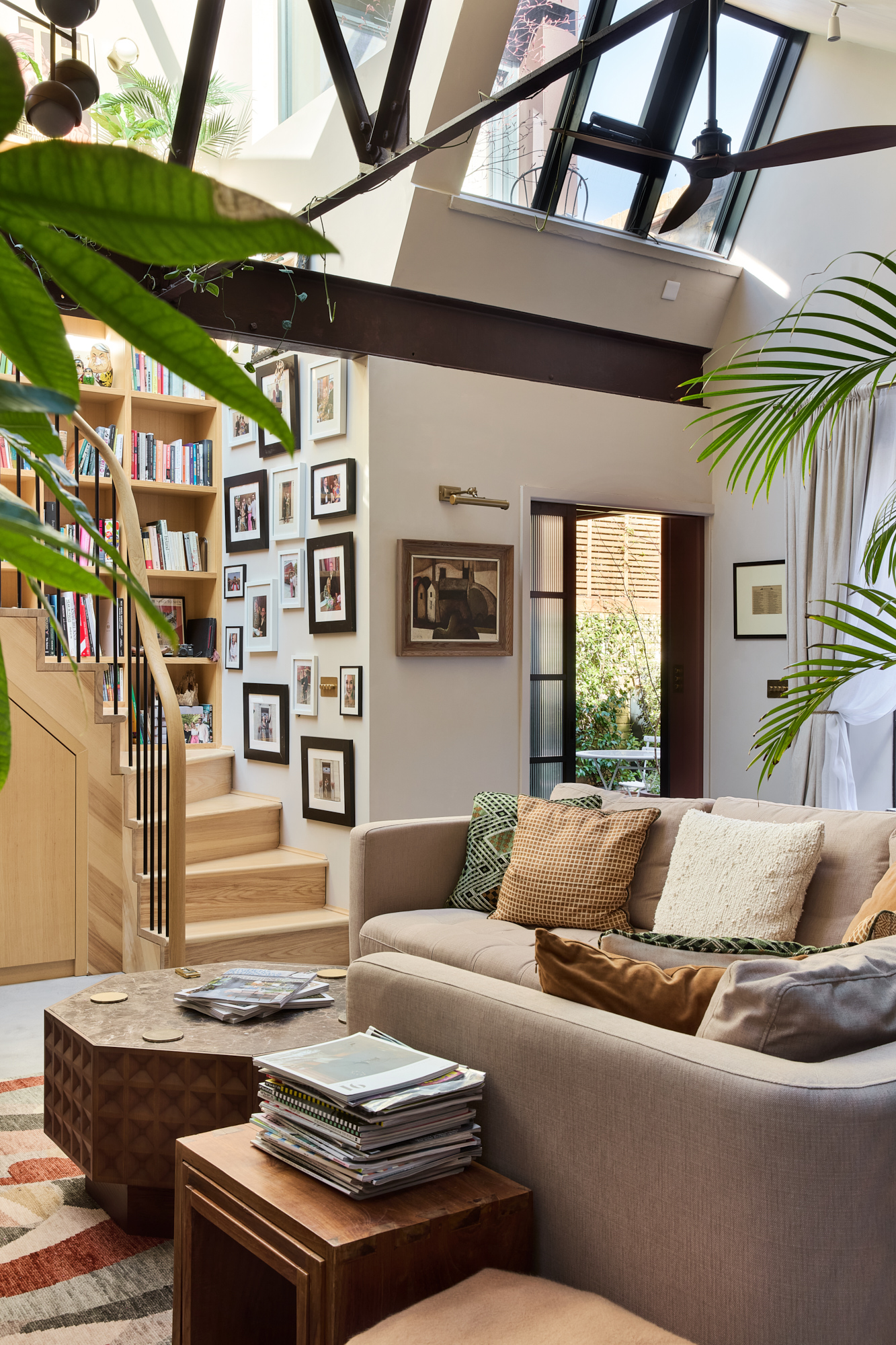
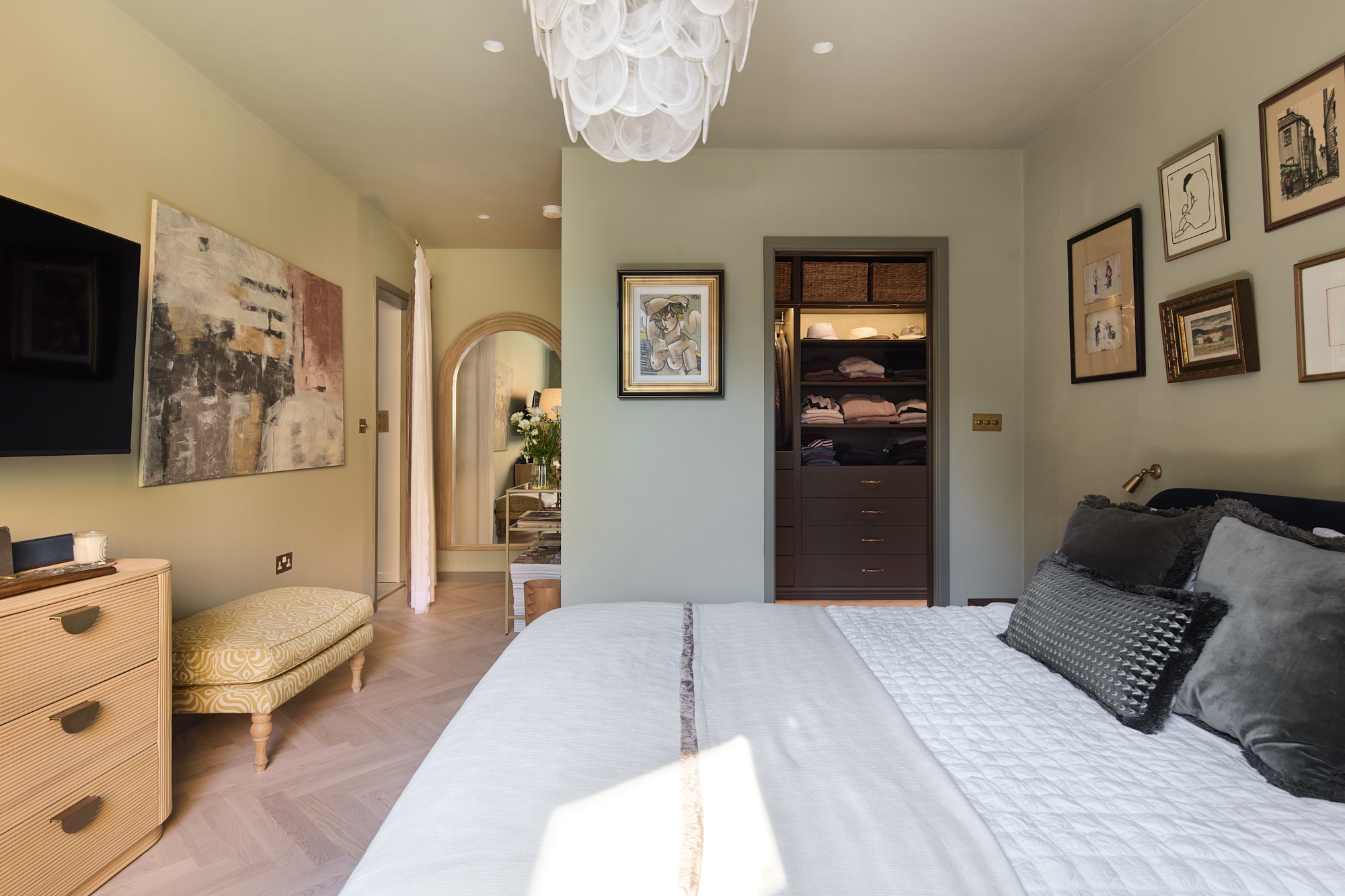
“We didn’t want it to feel too polished. It’s about being comfortable, sociable – somewhere you can properly live.” David McNab
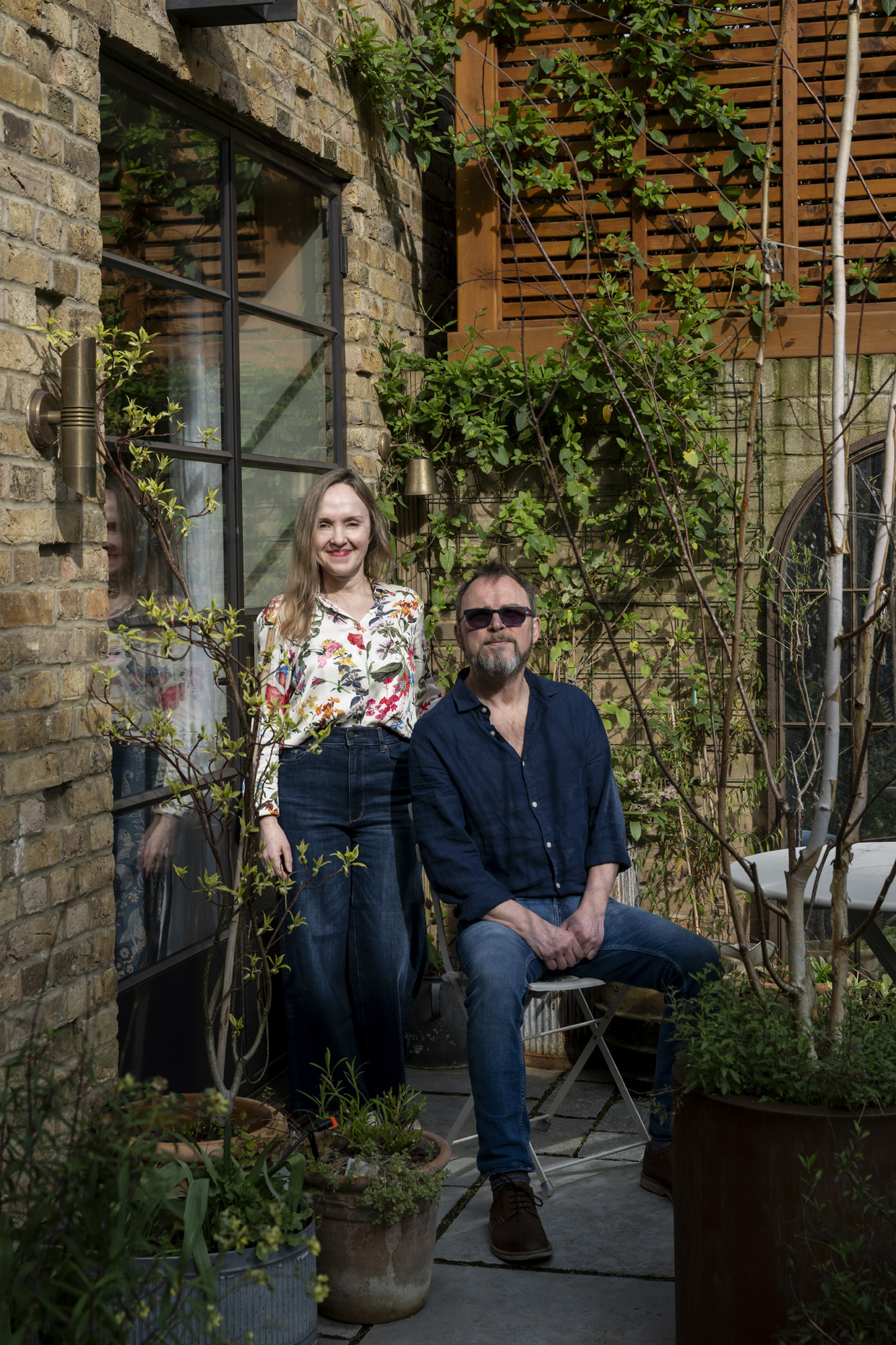
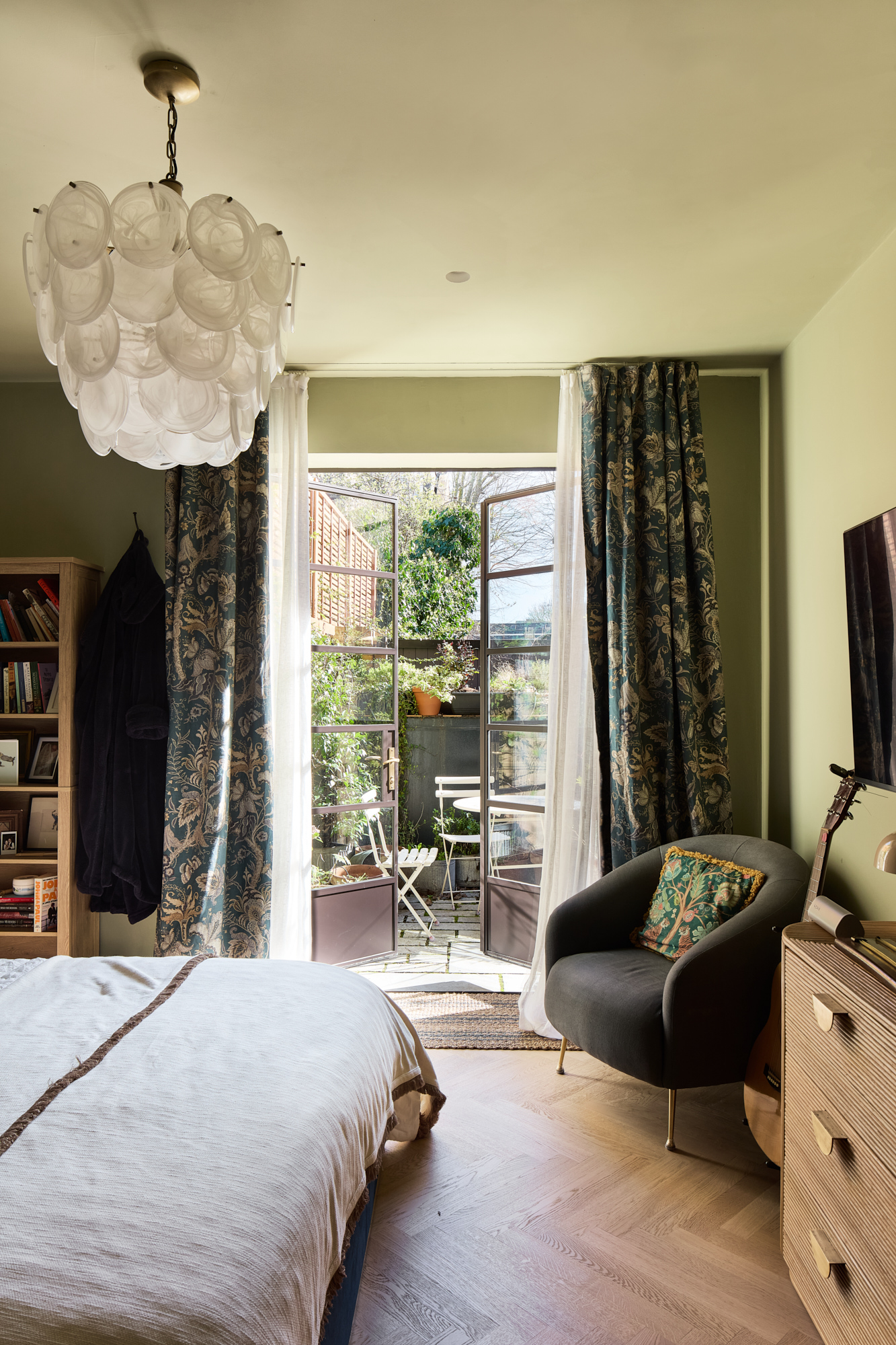
Inside, the mood shifts, but the sense of calm remains. Despite its industrial origins, the atmosphere is intentionally relaxed. “We didn’t want it to feel too polished,” says David. “It’s about being comfortable, sociable – somewhere you can properly live.”
Nowhere is that more apparent than in the kitchen, the natural congregation point. Painted a deep inky blue, it recedes gently into the background as the daylight fades, while veined marble and antiqued mirror surfaces catch and reflect the available light. It’s a space designed as much for mood as function.
Achieving that sense of ease was not without its challenges – from complex party wall agreements to a lengthy wait for utilities to be connected – but it’s a process Nina looks back on with a certain fondness. Having spent a period of her childhood living in a caravan during her parents’ own renovation, the experience felt strangely familiar.
“I like the challenge of changing spaces,” she says. “And David is very good at keeping things calm when it gets complicated.”

It’s the quieter qualities they’ll miss most. The sense of retreat. The way the house reveals itself gradually. The balance between openness and privacy. The two minute walk to the Tube.
“You come through the gate, and it’s like a little sanctuary,” Nina says. “Even though we’re in London, it feels completely separate. Like you’ve stepped into something hidden.”
Beneath that sense of retreat, the building’s past still lingers lightly – not just in the photographs in the hallway, but in the bones of the space itself. Steel beams, rooflights and quiet industrial references remain, softened by colour, texture and daily life. For somewhere once filled with tools and trade, it tells a different story now – one shaped around living well.
Prebend Gardens is for sale for £2,000,000
Related articles

Green house: The story behind this pioneering energy-efficient home
Creating a healthy, thermally efficient living environment was top of the agenda at Esmond Road in Chiswick.
My Chiswick: The artisans and innovators shaping the local scene
We asked residents at the helm of some of the neighbourhood’s most loved enterprises what drew them to Chiswick and why they’re proud to call it home.