


The neighbourhood’s restaurateurs, bakers and cocktail-shakers on why the local food scene is shaped as much by community as cuisine.
Creative, colourful and increasingly defined by what’s on the plate, Notting Hill has mastered the art of pulling people in – and giving them a reason to stay. Its food scene reflects that draw: a mix of long-standing institutions and ambitious newcomers, where Michelin-starred dining sits alongside market stalls and neighbourhood cafés. Here, the people behind the pass share what makes the neighbourhood tick, and what they get up to locally when they shut up shop for the day.
Zoë and Layo Paskin, Founders of The Barbary
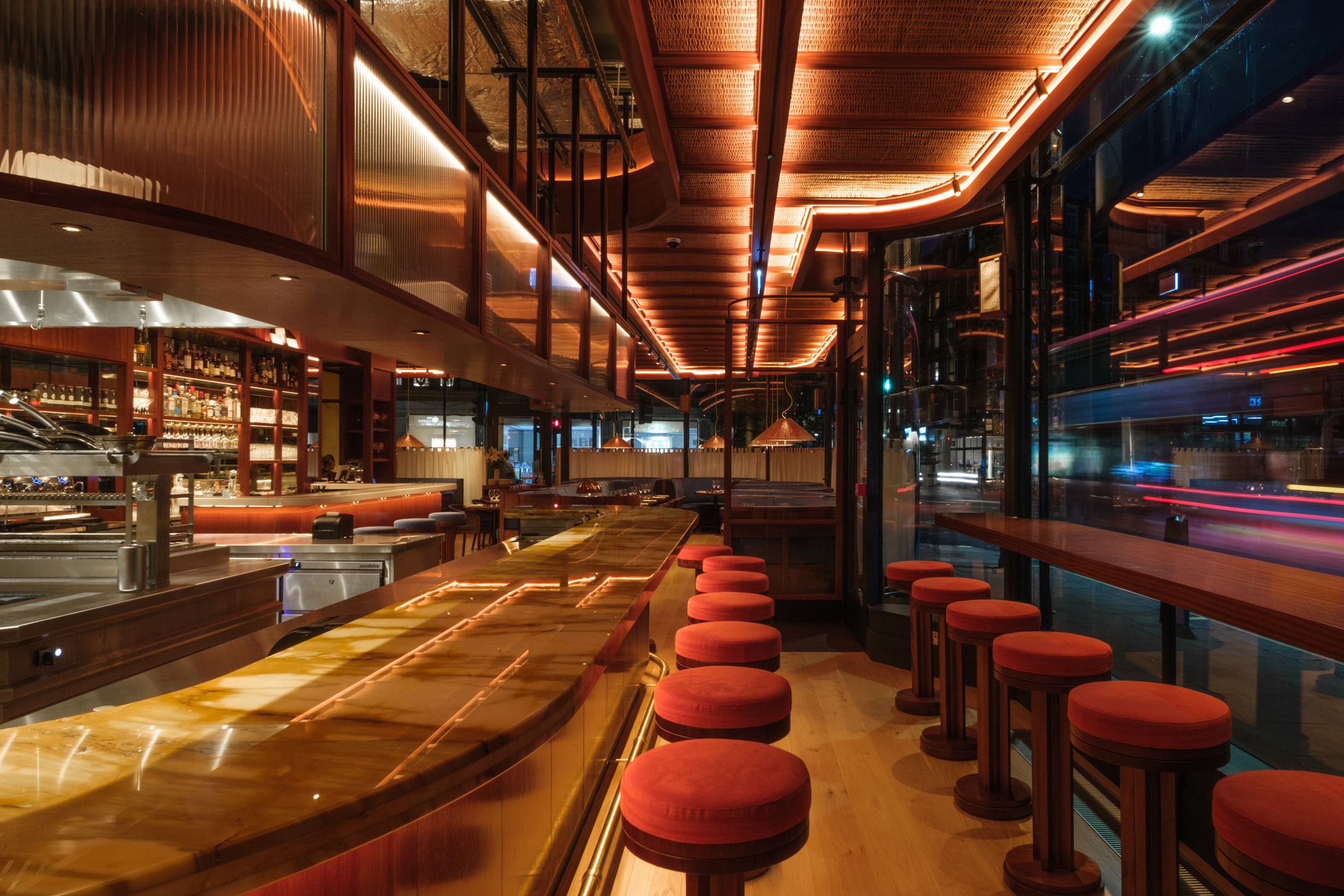
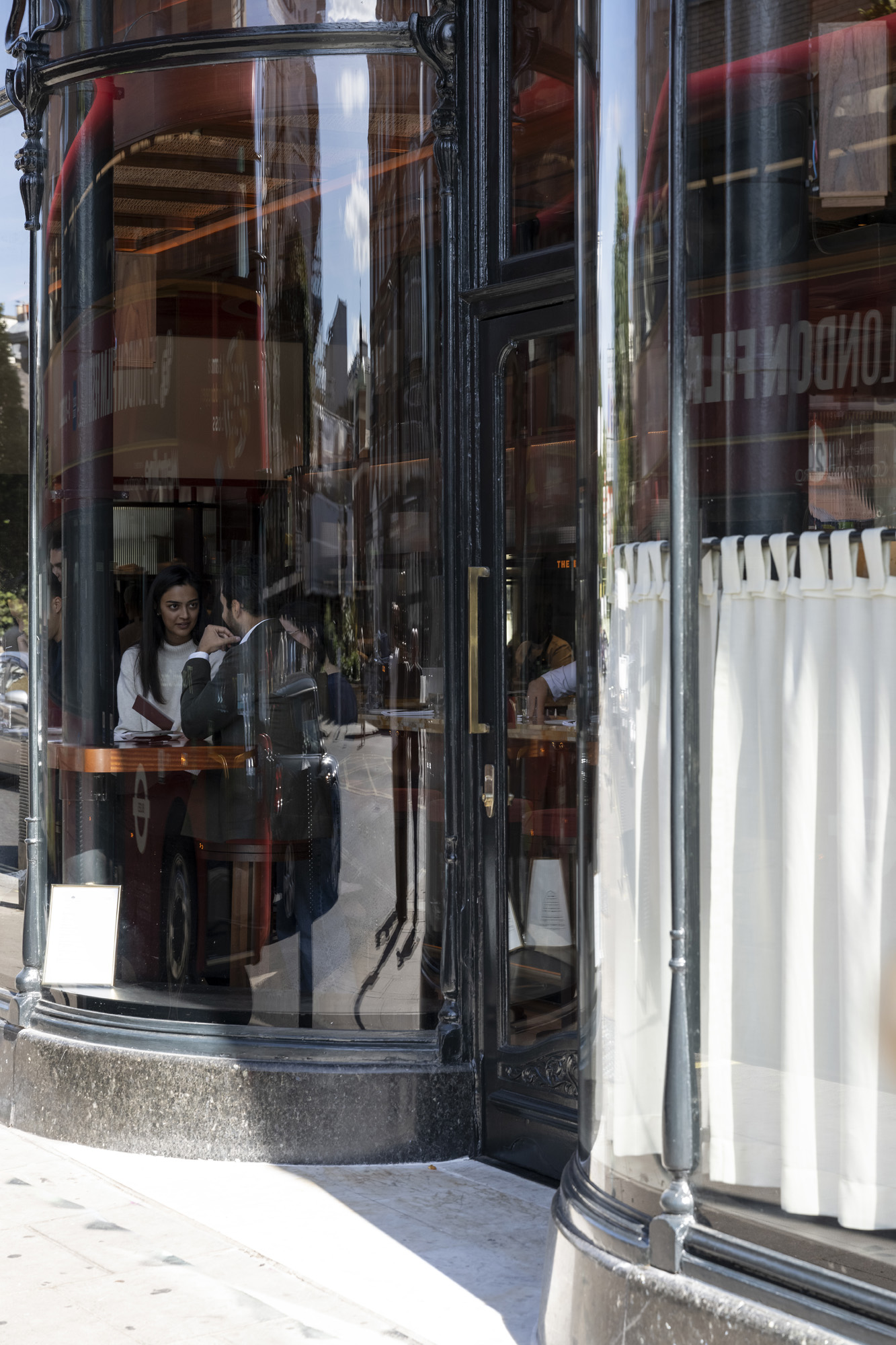
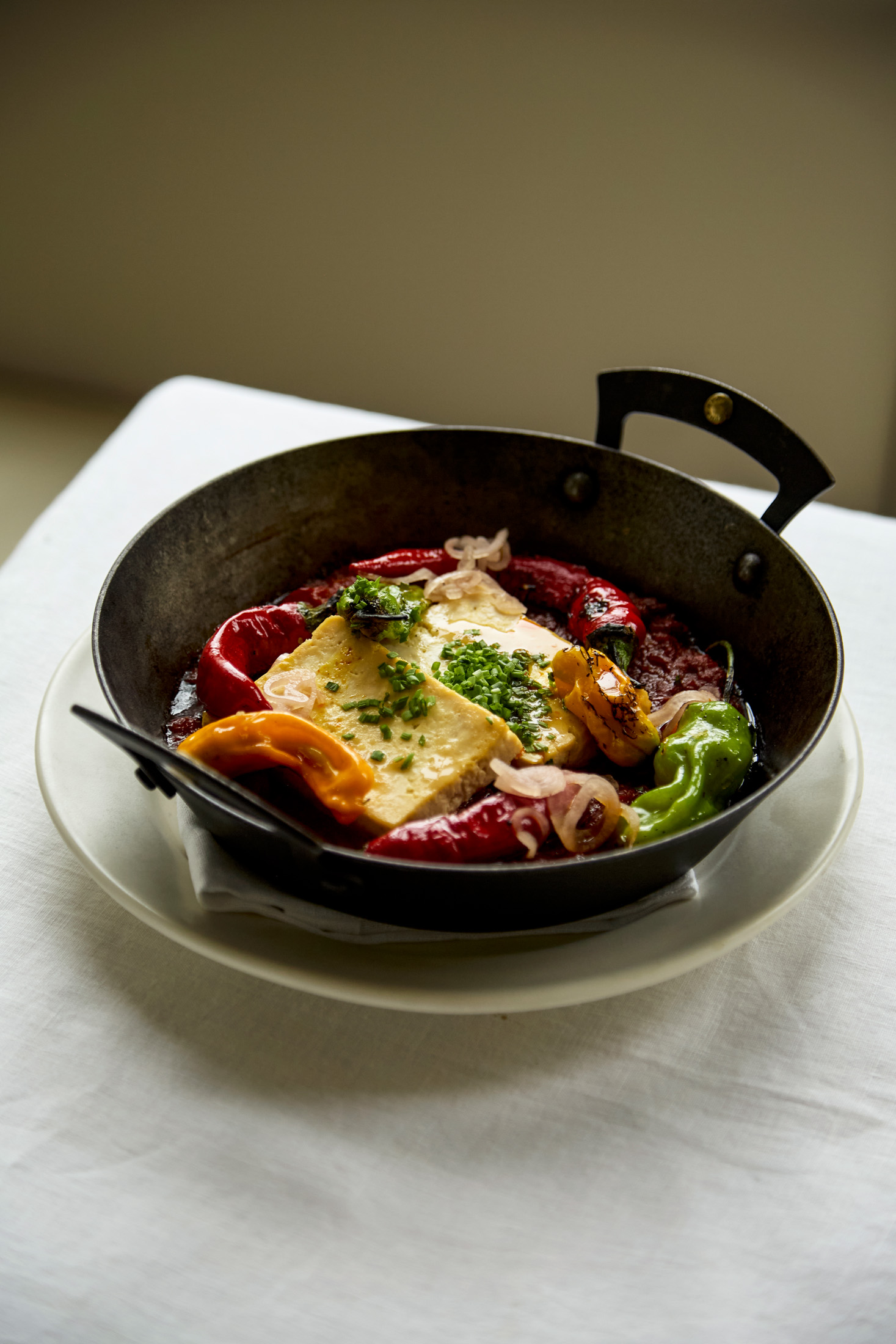
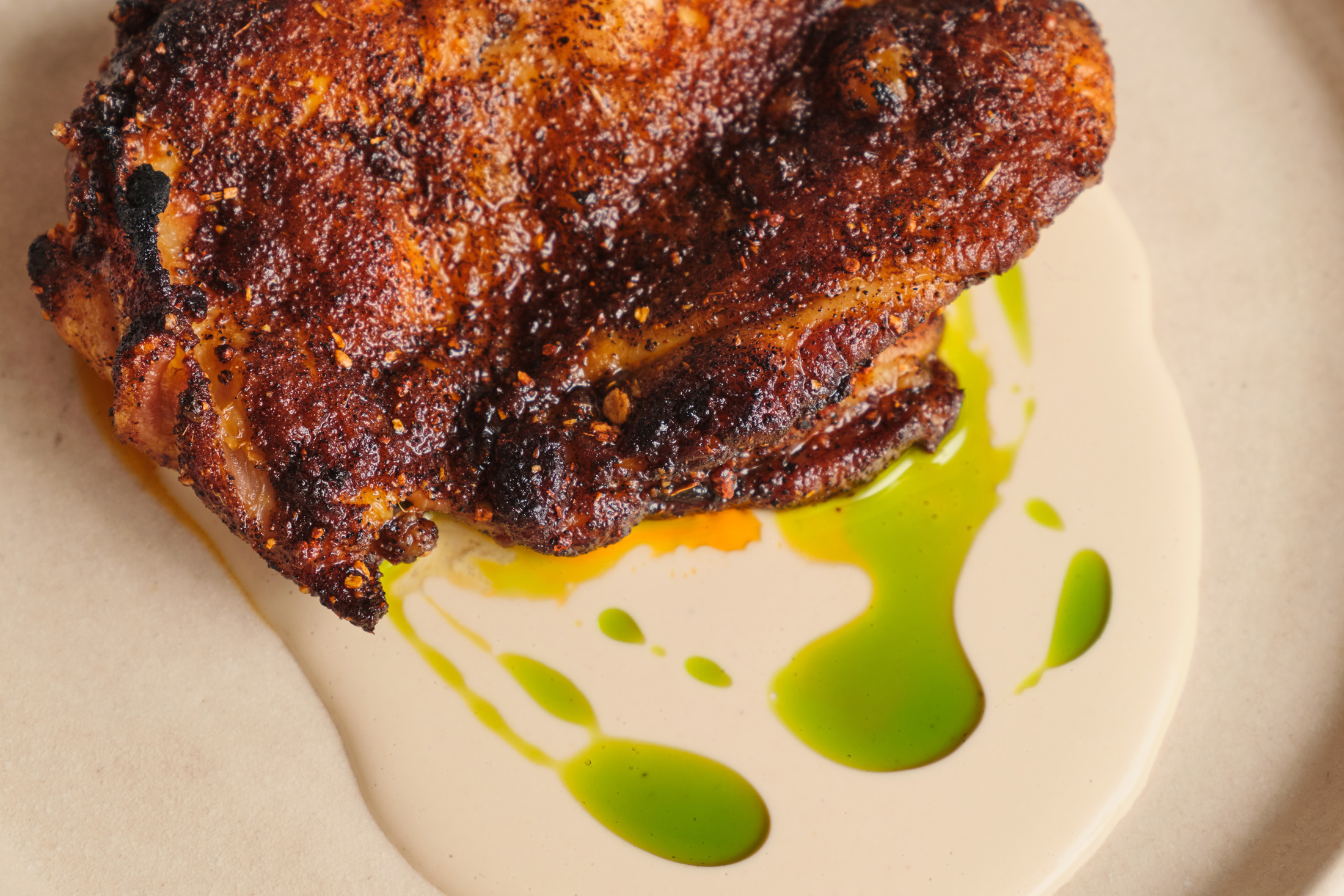
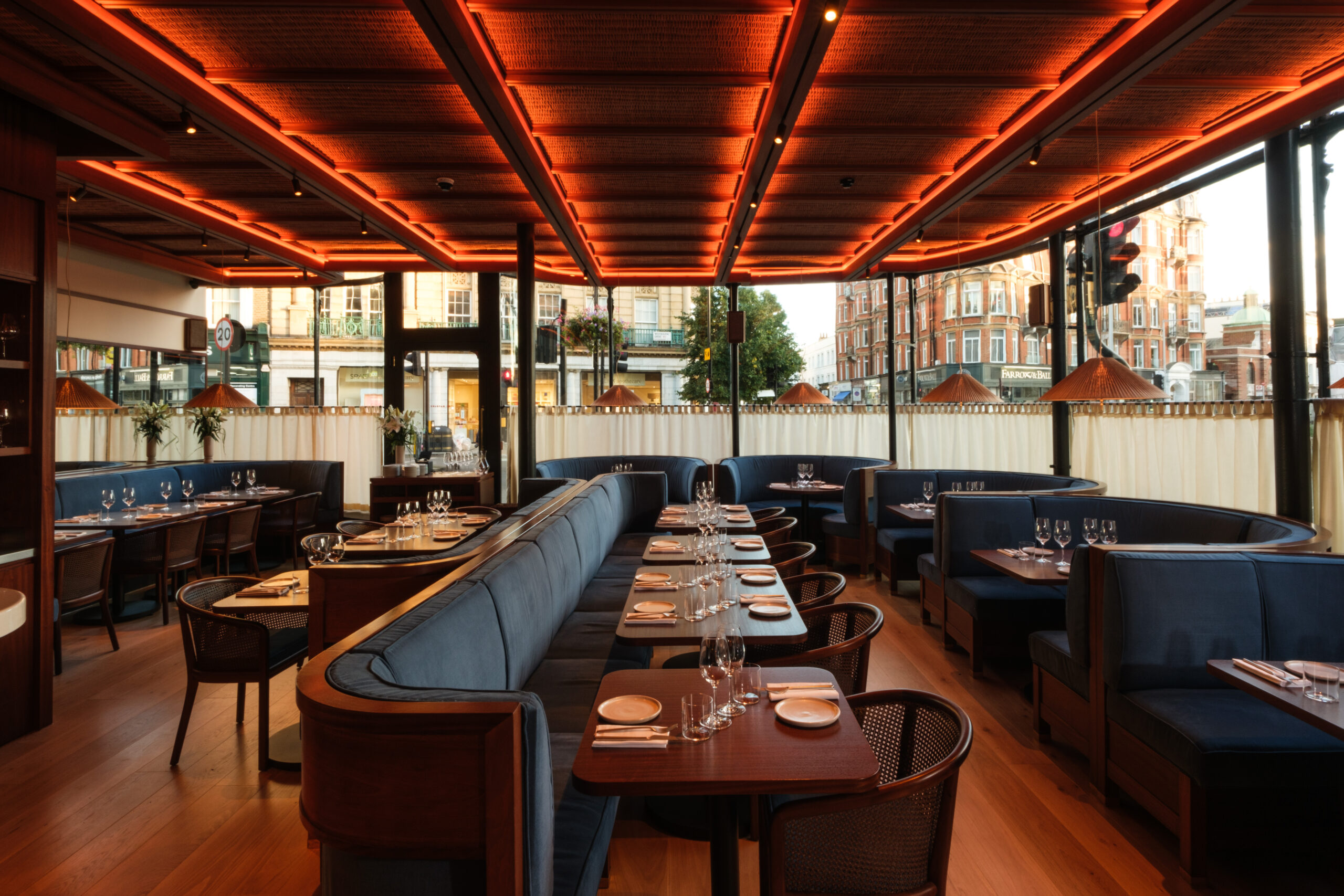
The Barbary founders – siblings Zoë and Layo Paskin – are no strangers to spinning plates, or records for that matter (you might remember their seminal nightclub, The End). Almost two years ago, their hospitality empire, which includes restaurants The Palomar and a branch of The Barbary in Neal’s Yard, arrived on Westbourne Grove.
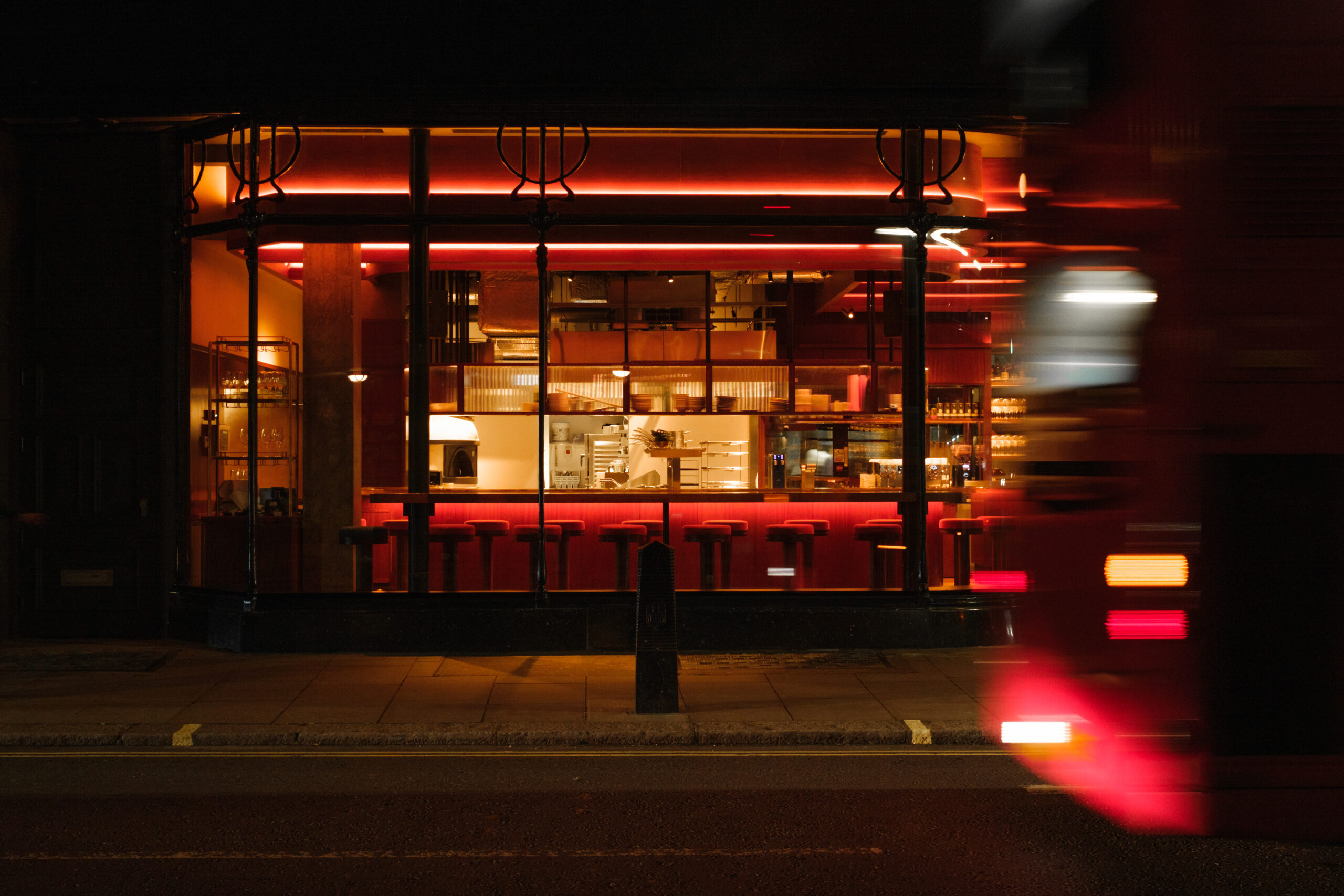
“We were immediately taken by the corner site, a listed building reminiscent of a Hopper painting,” says Zoë. “We wanted it to feel like a neighbourhood place – somewhere warm and familiar.”
For both, the connection to Notting Hill runs deeper than business. With roots in the area stretching back to childhood – Layo was born in Powis Square and in his DJ-ing days had a recording studio on Barlby Road – Notting Hill feels less like a new venture than a return, one that mirrors the area’s own evolution.
“There’s a unique energy here,” Zoë reflects. “You’ve got everything from The Cow and The Pelican to Core and The Ledbury, as well as neighbourhood staples like Granger & Co. and Dorian. The list just goes on.”
Local rituals? “Time off locally invariably looks something like coffee at Hagen, pastries at Layla and an acai bowl at Acai Girls. Then popping into James Perse, mooching through the market or taking the kids to the pirate playground in Kensington Gardens.”
Irina Linovich, founder of Holy Carrot
That balance between neighbourhood familiarity and reinvention is what continues to draw new arrivals. For Irina Linovich, founder of Holy Carrot, Portobello Road offered exactly that: a setting rich in character, but open to fresh ideas.
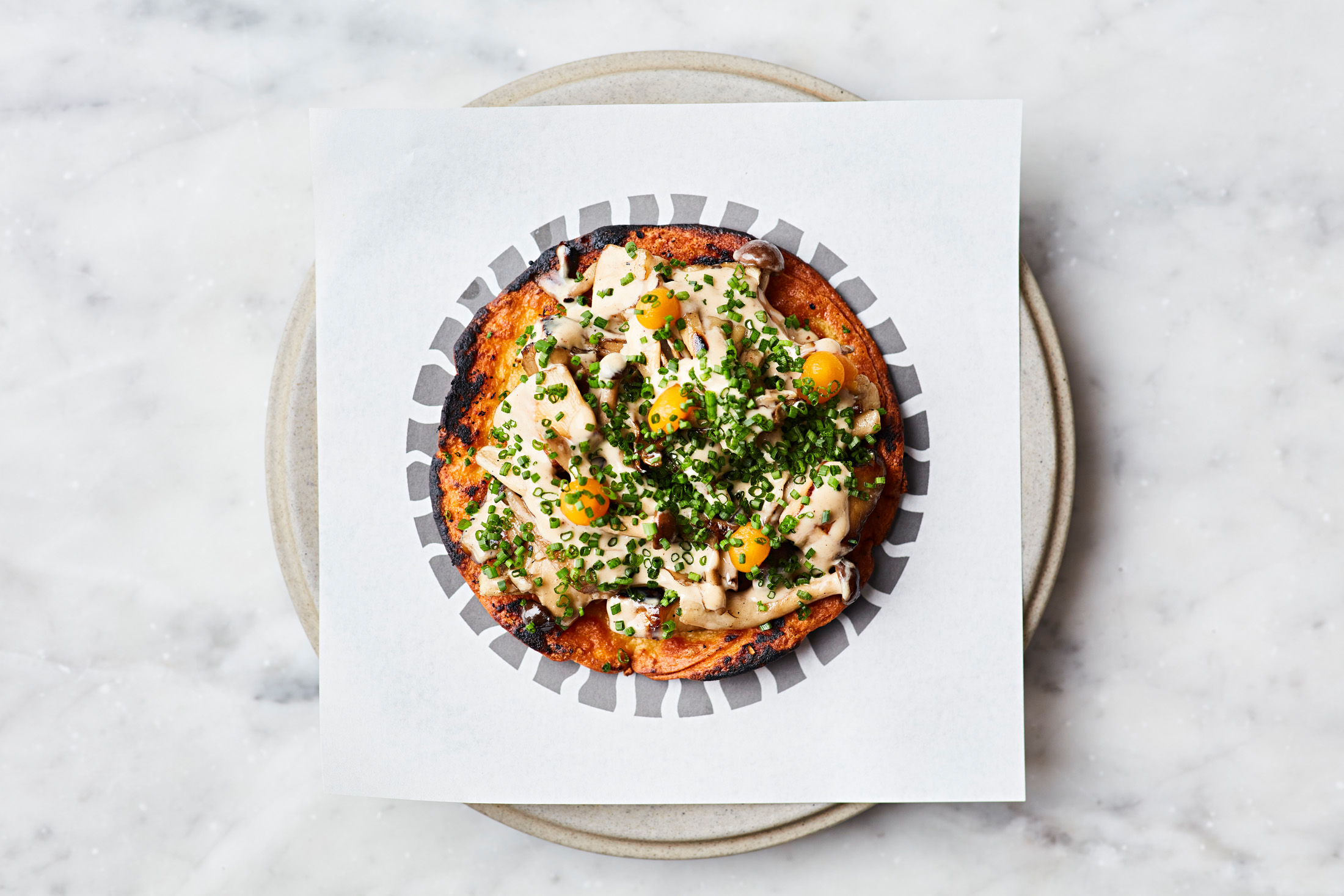
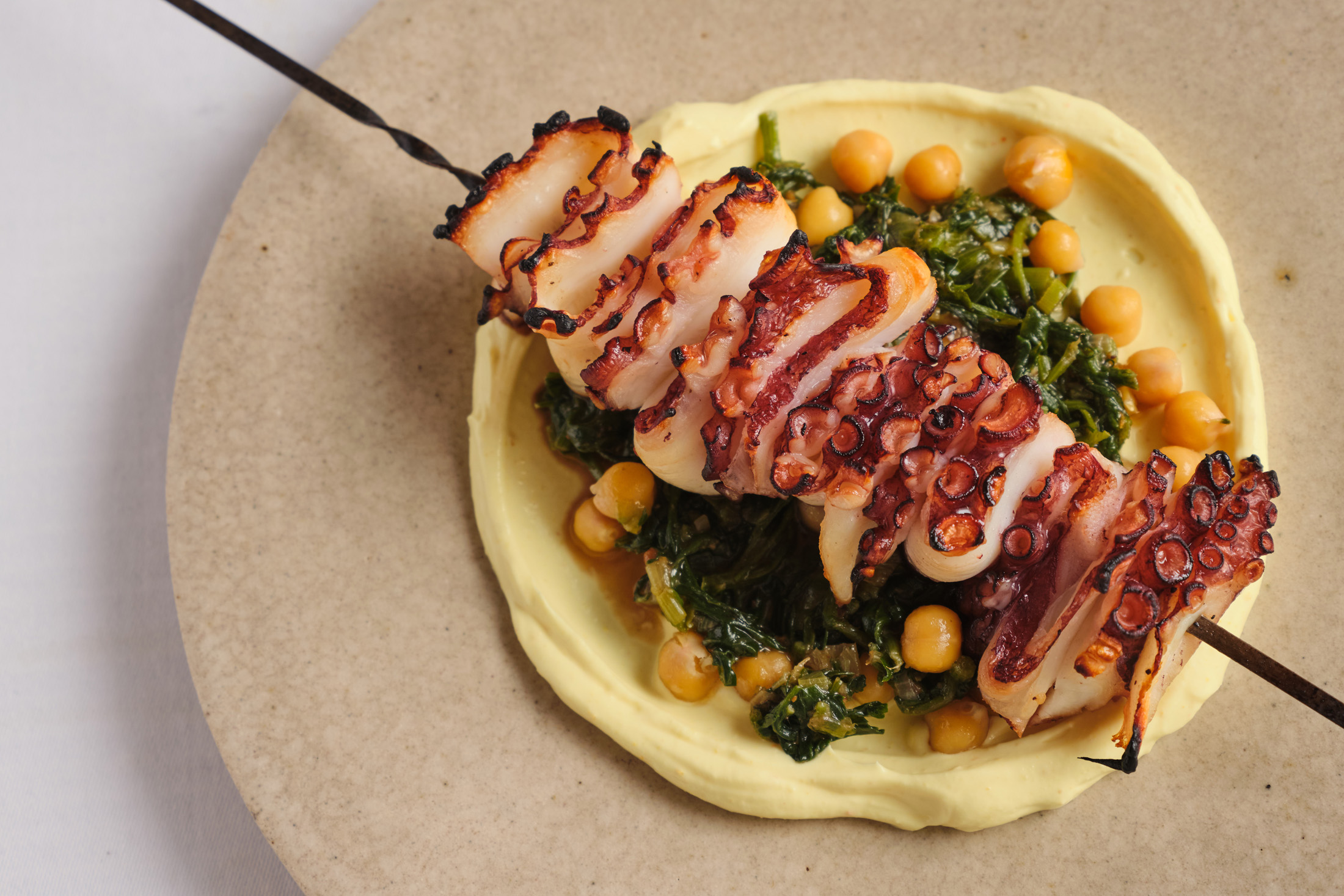
Her plant-based restaurant, developed with chef Daniel Watkins, brings a vegetable-led approach to the area’s eclectic mix – with dishes built around fire, fermentation and carefully sourced produce. Think coal-roasted leeks with smoked carrot hot sauce prepared over fire or celeriac schnitzel made from focaccia waste.
“I adore the authenticity of Portobello Road,” she says. “It’s a living, breathing mosaic – locals, visitors, traders – all woven together.”
For Irina, it was important that the restaurant felt rooted in both the neighbourhood and its wider context. “Nature is our biggest inspiration, and we aim to nourish with thoughtful, sustainable and delicious food,” she explains. “Notting Hill has always been a favourite spot in London. The energy – and the inclusive, international community – is infectious.”
Ideal day off in Notting Hill? “We often start at Portobello Market, searching for hidden gems and then stop by a local café like Klear Labs. A visit to Caramel, my kids’ favorite shop, usually follows, and if energy permits, we’ll head to a local playground or Holland Park to round out the day.”


“I adore the authenticity of Portobello Road. It’s a living, breathing mosaic – locals, visitors, traders – all woven together.” Irina Linovich, founder of Holy Carrot
Rose Hood, Founder of Farm Girl
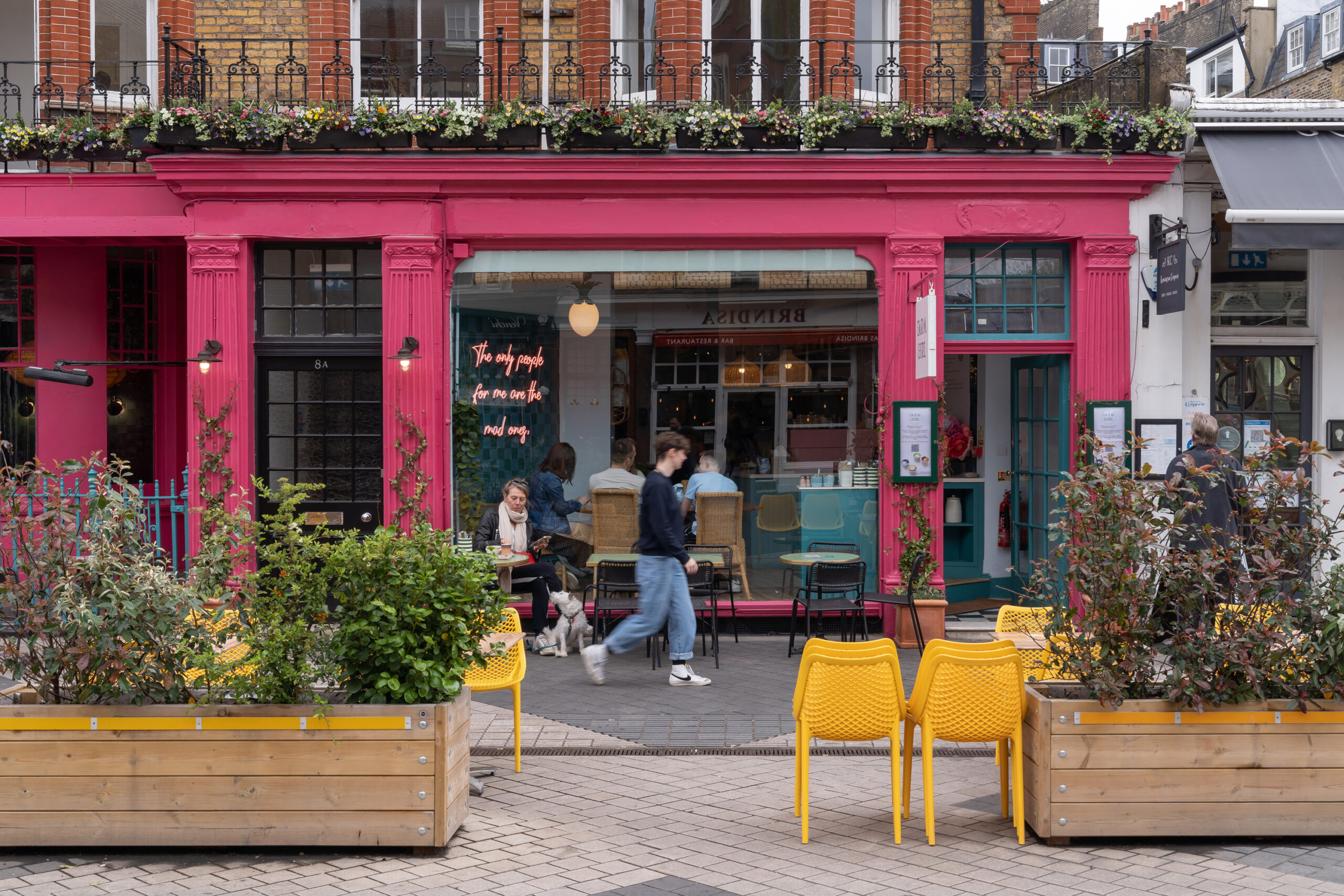
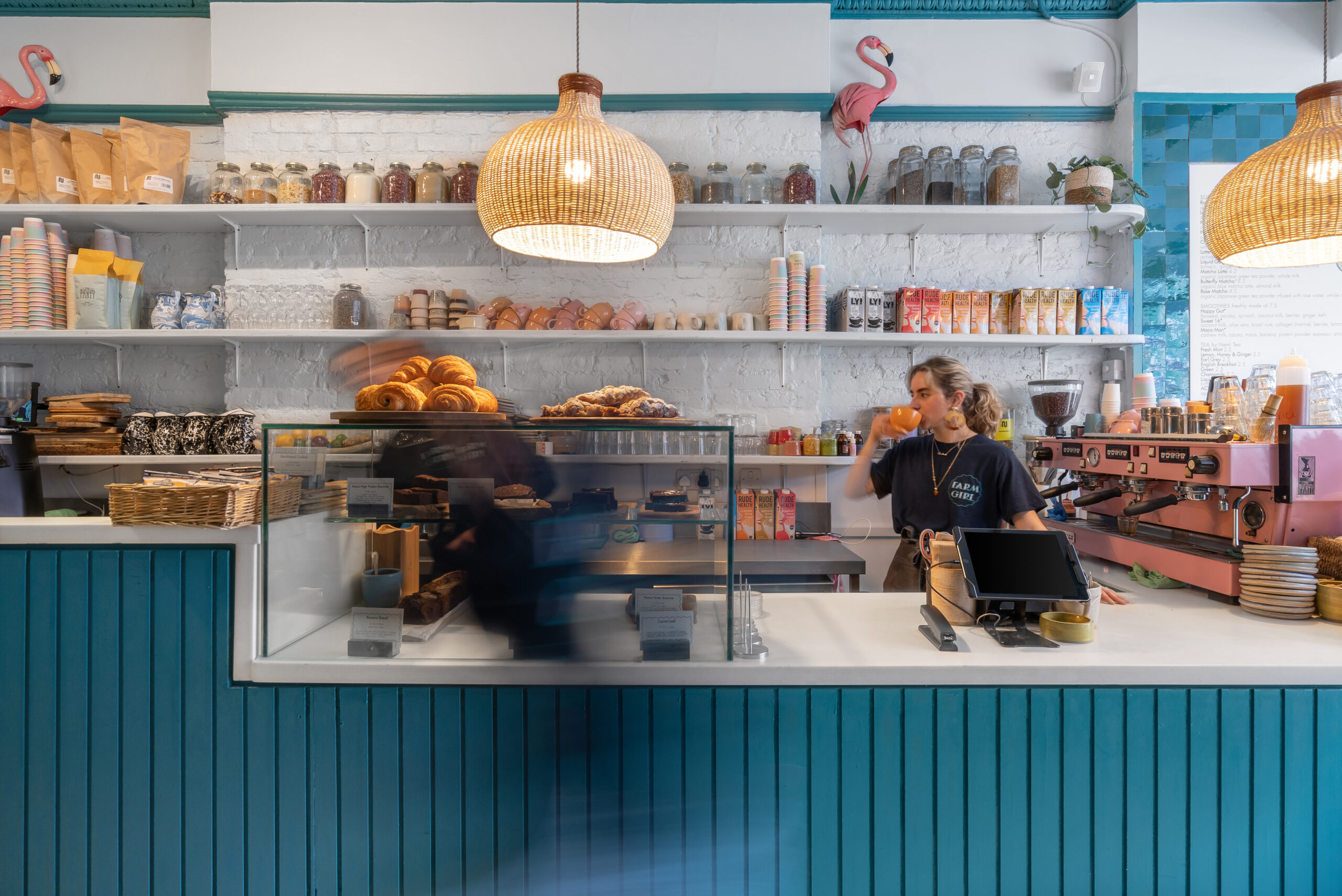
The same rhythm – daily, dependable, deeply local – underpins Farm Girl, just a few doors down from Holy Carrot, which has been part of the fabric for more than a decade.
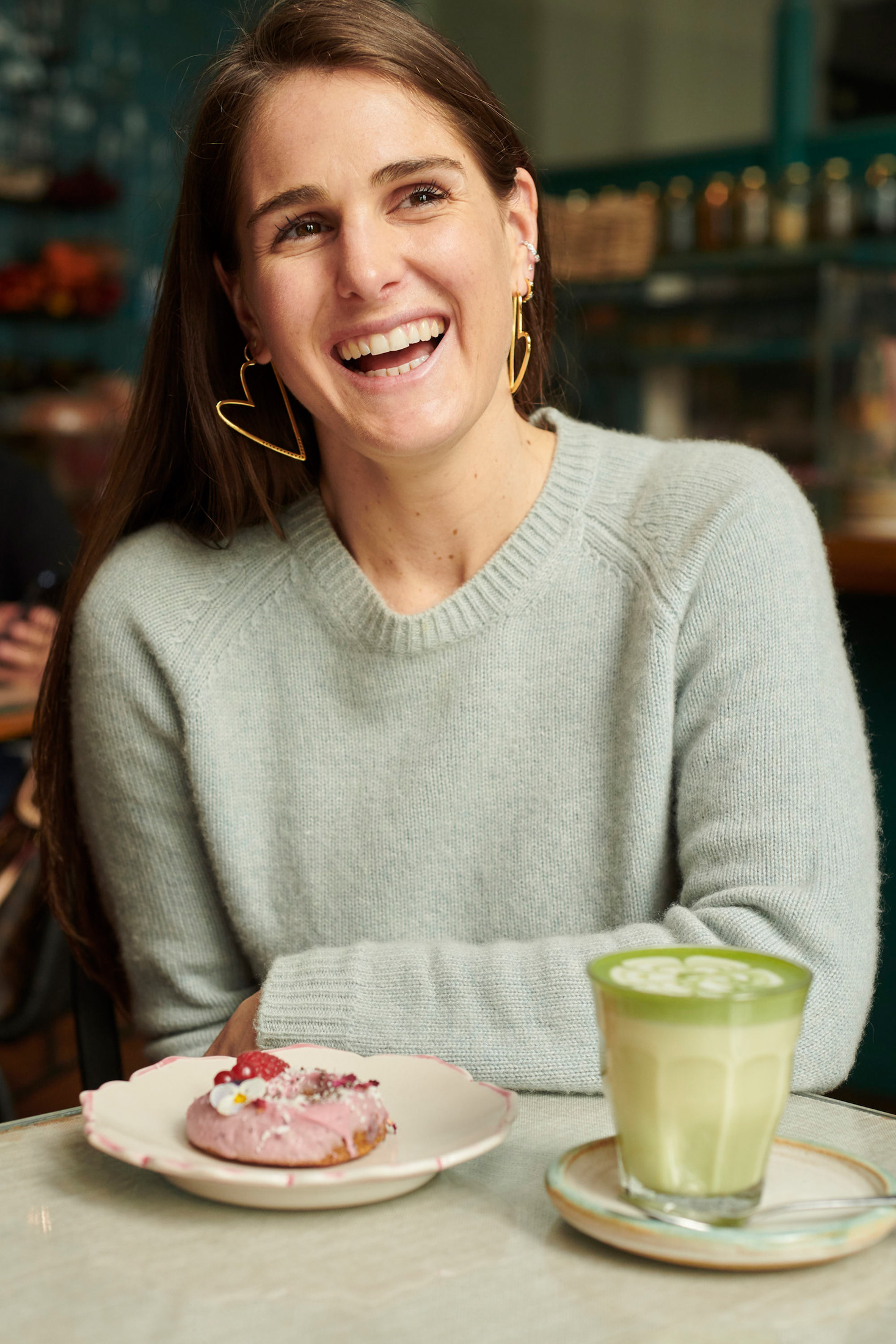
We have founder Rose Hood to thank for filling an avocado-on-toast-shaped hole in the local brunch scene. When she arrived in Notting Hill 15 years ago, café culture was still finding its feet and certainly wasn’t in the same league as back home near Melbourne. “I landed in Notting Hill and saw a gap in the market,” she recalls. “Back then, there were only a handful of cafés serving healthy, fresh food and no one was serving Aussie-style coffee.”
Today, the original Portobello Road site (complete with eye-catching Beata Heuman-designed interiors) remains a constant – a place for morning rituals, market pit-stops and familiar faces. “It’s the momentum of the street I love,” she says. “It never really stops. There’s not one day in the year – excluding Christmas Day – that the streets are quiet. Notting Hill will always have a special place in my heart.”
Favourite local hotspots? “Yoga at Love Supreme on Golborne Road followed by a juice at Klear Labs. Or a walk to Hyde Park with the dogs, then a stroll down to the food market on Friday or Saturday for lunch – I love wandering around the market. Drinks at The Cow or the Cock & Bottle on a Thursday or Friday is always a laugh!”
Harneet Baweja, Founder of Moi et Toi and Empire Empire
If Farm Girl represents continuity, other spaces reflect a more fluid approach to how restaurants operate. On All Saints Road, Harneet Baweja’s Empire Empire channels the warmth of an Indian home, serving curries and biryanis in a setting designed to feel intimate and informal. By day, the space shifts – re-emerging as French bakery Moi et Toi.
“Empire Empire is like hosting dinner parties back home in India,” he says. “There’s a great jukebox, the art is all by Indian artists – it feels like being in someone’s house.”
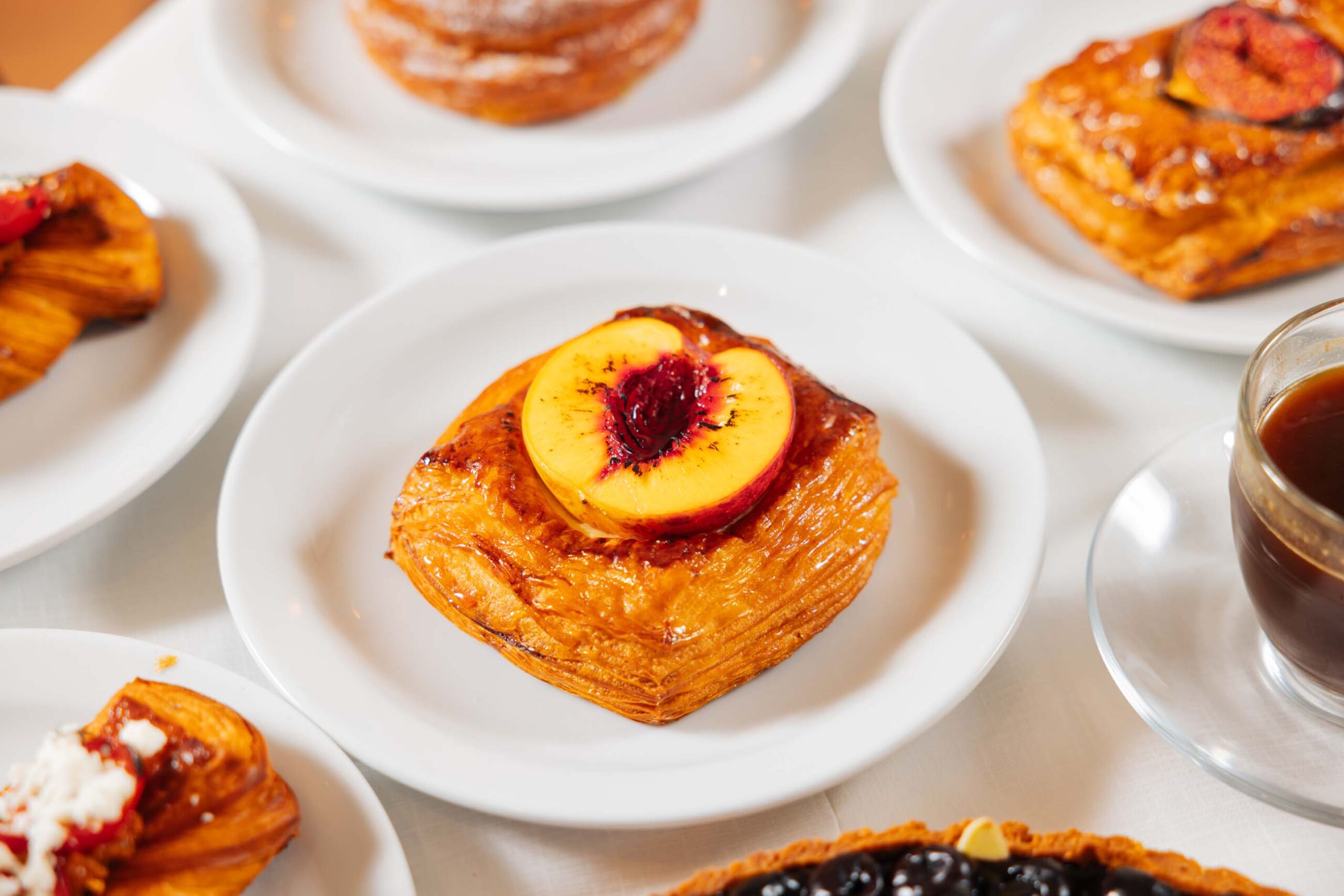
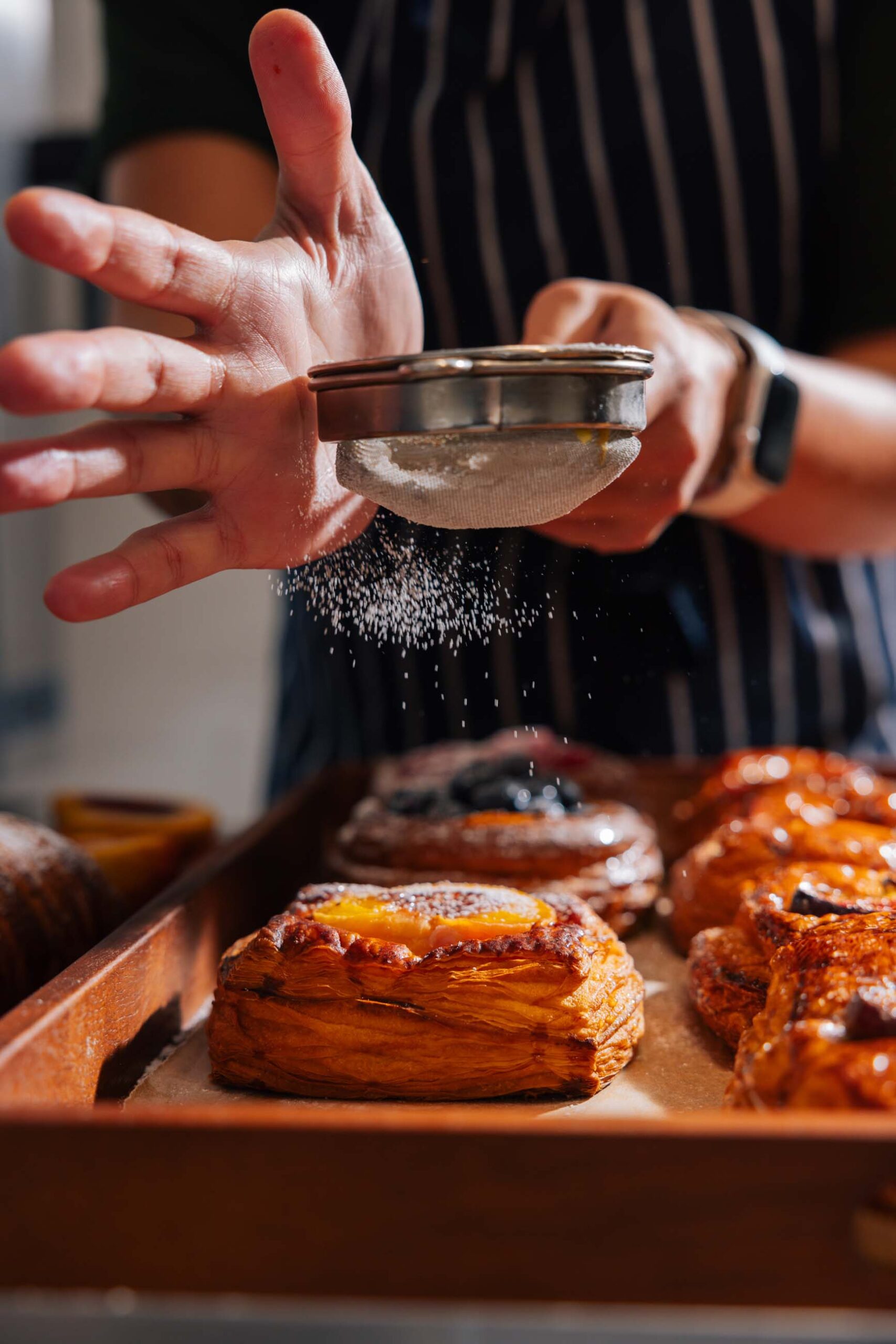
By morning, that same space is given over to pastry. “We finish dinner at 11.30pm and we’re rolling dough again by 5am – it all feels quite natural.” Swing by early and you’ll find twists on the classics – pistachio and chocolate escargots, pain au peanut filled with house-ground peanut butter and croque monsieur croissants alongside Monmouth coffee.
“Bakeries should serve the community,” Harneet adds. “We might bake six or seven feet of focaccia every day, and the same handful of people will keep coming back – so when they ask for olives or sundried tomatoes, we adjust accordingly.”
It was this community feel that brought Harneet to Notting Hill in the first place, influenced ever-so-slightly by a certain romcom. “Like everybody, I watched the movie and wished Julie Roberts had picked me,” he laughs. “Notting Hill does feel more community led though. People know each other and support each other, which is great. We’re so happy to be part of the neighbourhood.”
The best thing about Notting Hill? “It’s the community. When we’re busy, we’ll send people to The Pelican – and they’ll send people back to us. There’s a real sense of looking out for each other.”

Tessa Faulkner, founder of Layla
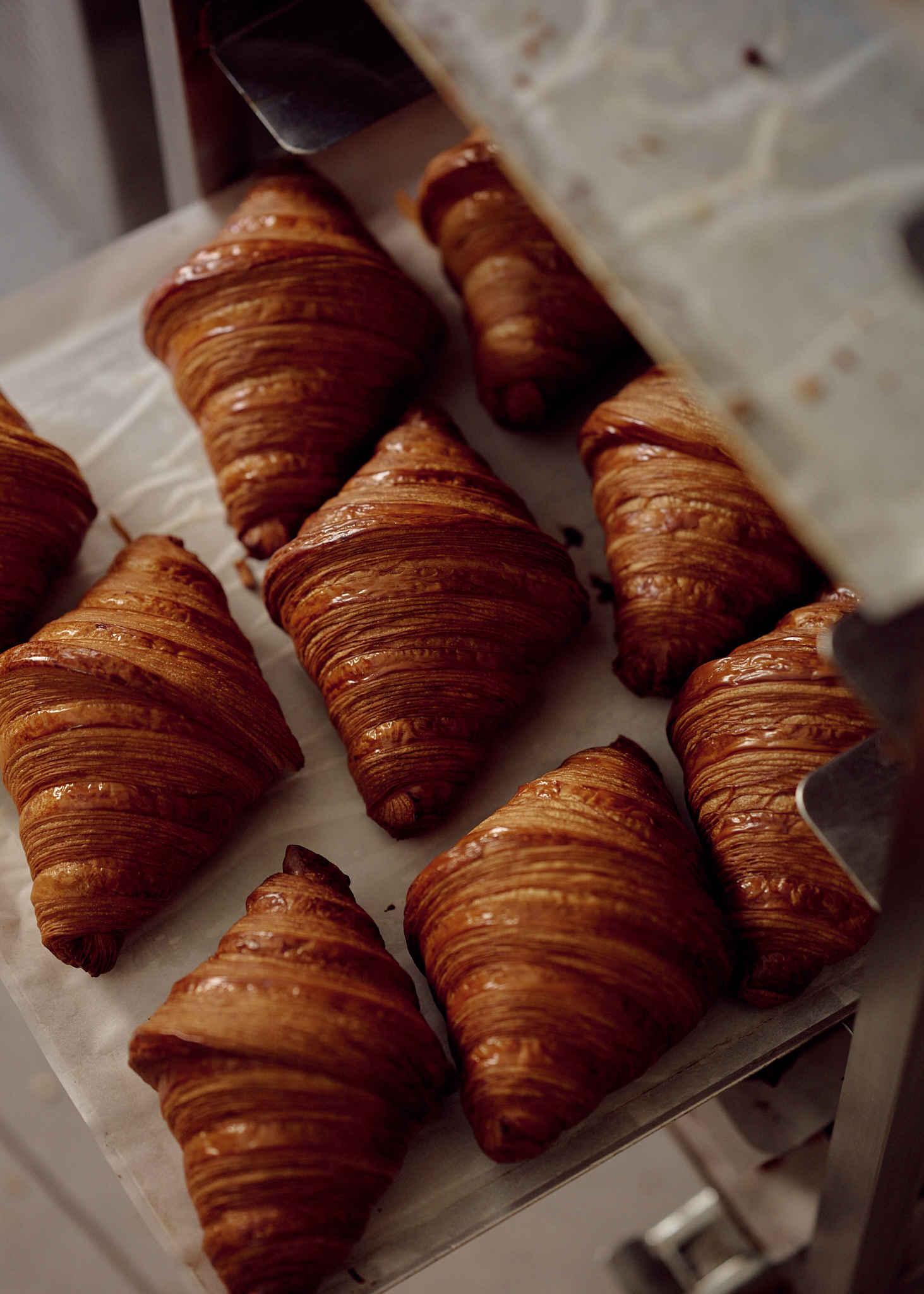
One of the most exciting new local clusters is taking shape towards Golborne Road, where independent businesses sit shoulder to shoulder with long-established names. Close by is Tessa Faulkner’s bakery Layla, where weekend queues form for its pastries.
“I love the vibrant culture here and the strong sense of community,” smiles Tessa. “I also live just around the corner, so there was definitely a personal motivation to create a local bakery.”
Back when she opened in spring 2021, Tessa felt something was missing – a sense of calm, a space to slow down amid the pace of the market. “There’s always so much going on,” she adds. “With our outdoor seating, we’re able to provide that.”
Layla has since become a firm fixture, shaped as much by its regulars as its menu. The familiarity of those who return day after day, she says, is what makes a place feel part of a neighbourhood – somewhere that brings people together. “What I love most is our neighbours – the residents, the growing number of restaurants, and the people behind them.”
Go-to spots locally on a day off? “I like hunting for antiques along Portobello Road on a Friday morning or browsing vintage clothes in the covered market. I’ll usually stop by The Spanish Deli (next to The Cloth Shop) and any opportunity for a trip Canteen – especially when the sun is out.”
Rishabh Vir, co-founder of Caia
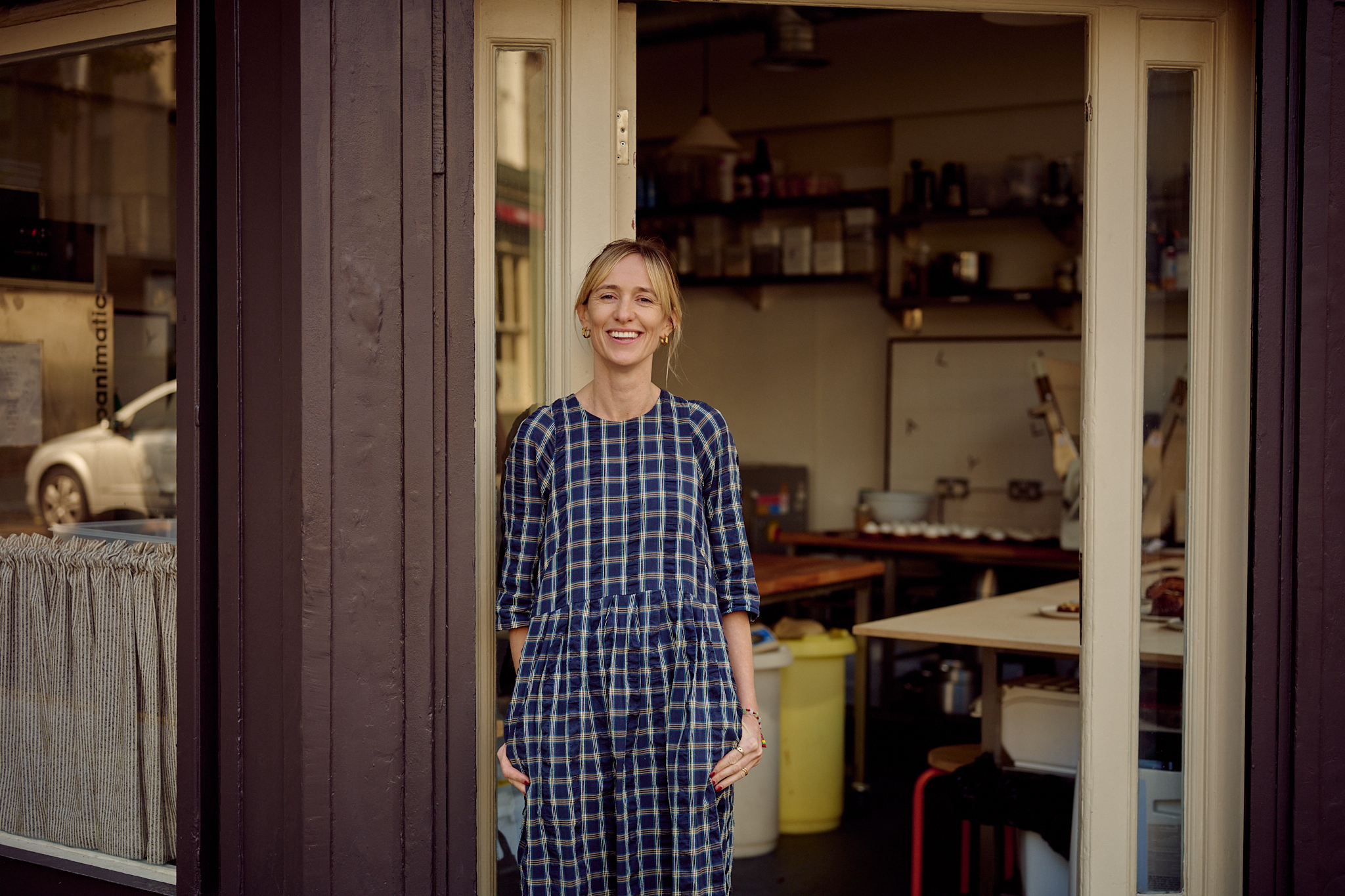
Among Layla’s neighbours there’s Caia – a restaurant, wine bar and listening space founded by Rishabh Vir and Tim Lang. With its loose mantra – fire, wine, vinyl – it reflects the area’s evolving identity: rooted yet forward-looking.
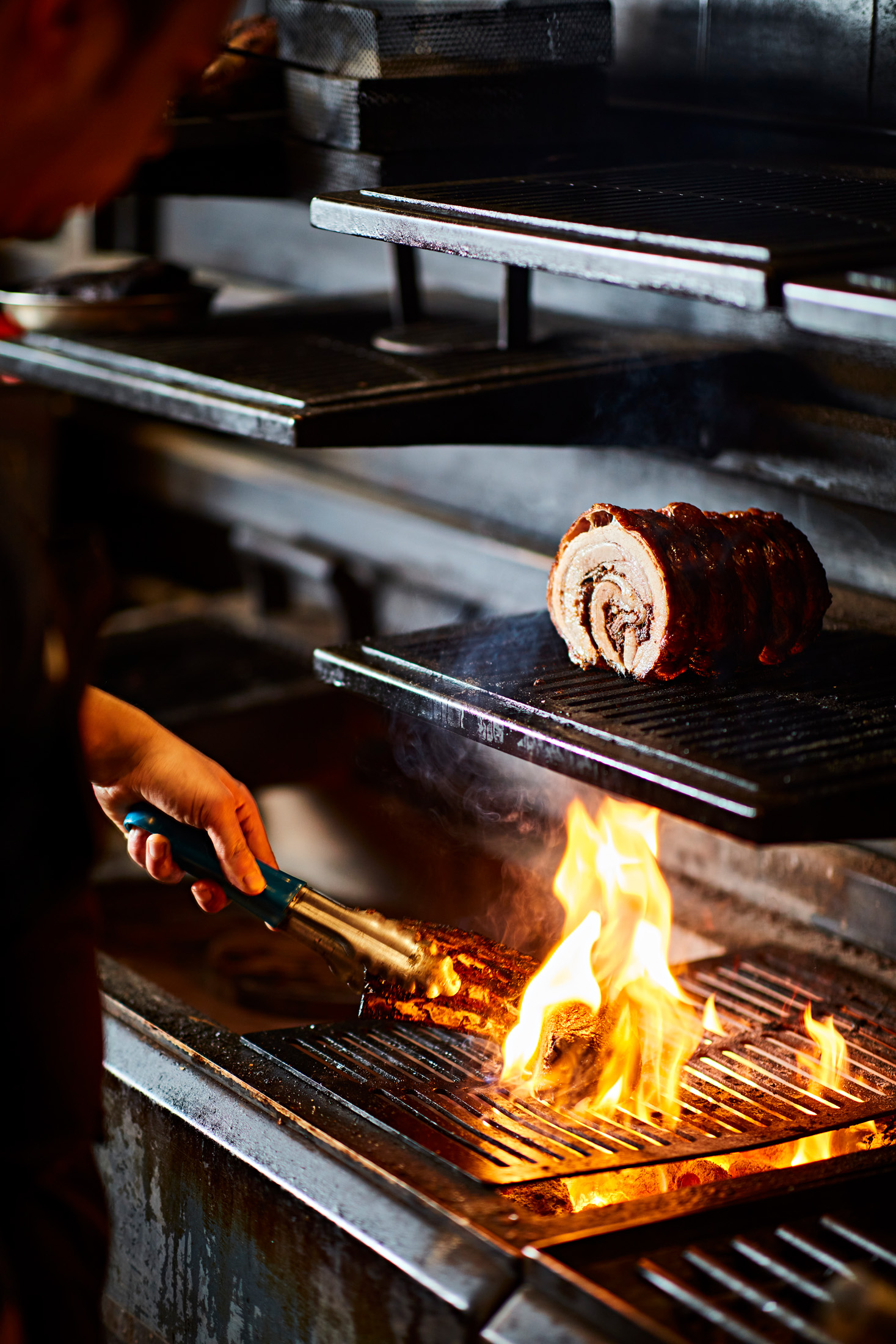
Executive chef John Javier leads the kitchen with bold, fire-led cooking, while downstairs, The Green Room pairs late-night dining with vinyl spins on the Kuzma R record player.
“This is my neighbourhood,” Rishabh says. “From the moment I moved to London, I was drawn to it.”
Four years in, Caia feels very much part of the furniture – riding a renewed wave of culinary resurgence across the neighbourhood. “The truth is, there was a moment when things felt quieter,” he notes. “Then Core arrived and Gold and the Notting Hill Fish & Meat Shop, and it felt like something interesting was happening.”
For Rishabh, fitting into the existing fabric was essential. “You’ve got people here who’ve been part of the community for decades,” he says. “It was important to respect that – to contribute without disrupting it.”
That sense of interdependence runs through everything: bread from Layla, flowers from across the street, regulars who return daily. “It really does feel like a village,” he says. “People support each other. As long as I’m in London, this will be home.”
How do weekends off look? “I have two kids, so free time is a little different now. I’ll take them to Holland Park or we’ll go to Layla for a pain au chocolat. We might go swimming at Harbour Club or play some football. We also walk a lot through Notting Hill. It’s just so charming, with all the pastel colours and the trees.”
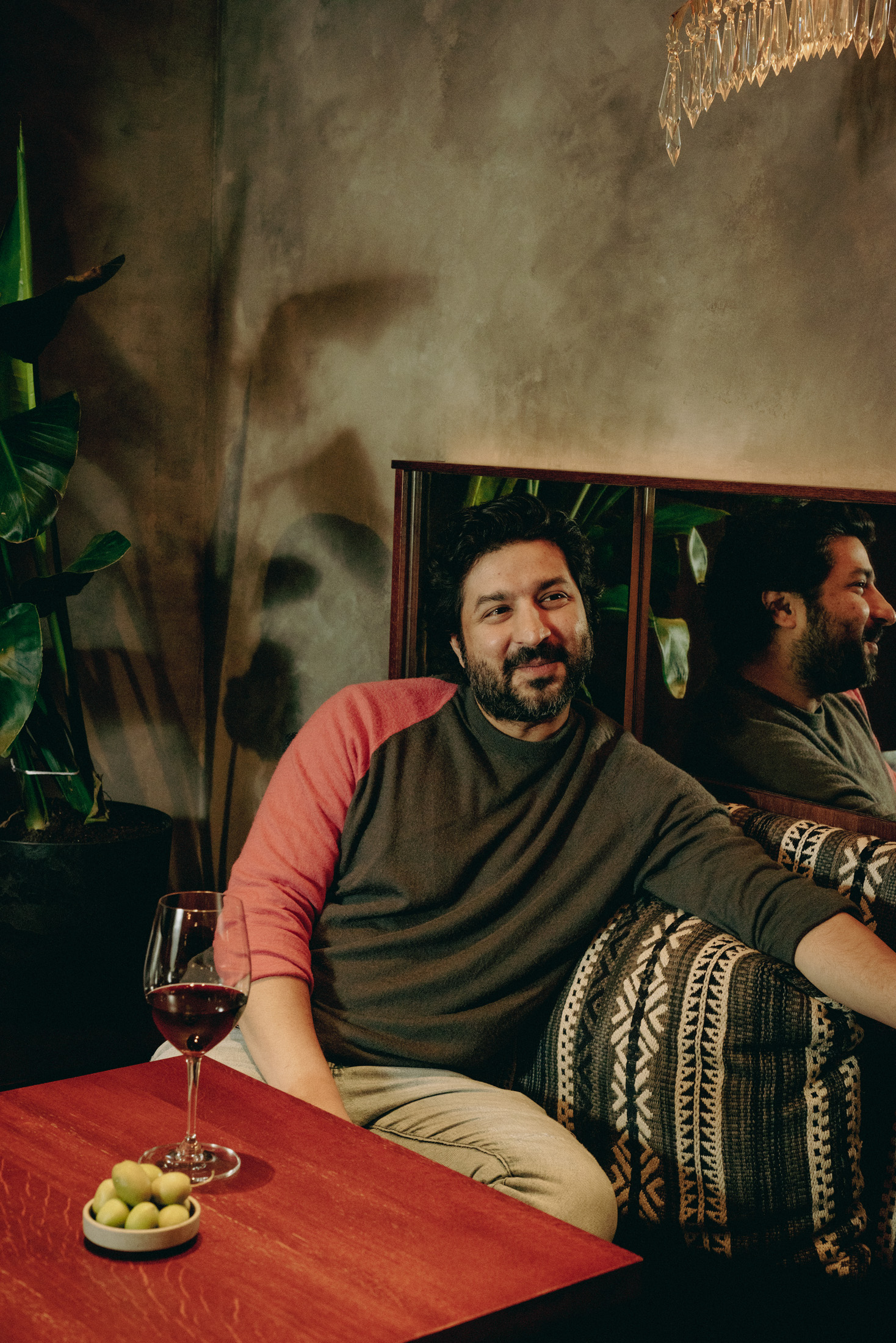
“You’ve got people here who’ve been part of the community for decades. It was important to respect that – to contribute without disrupting it.” Rishabh Vir, co-founder of Caia

Artículos relacionados
Notting Hill
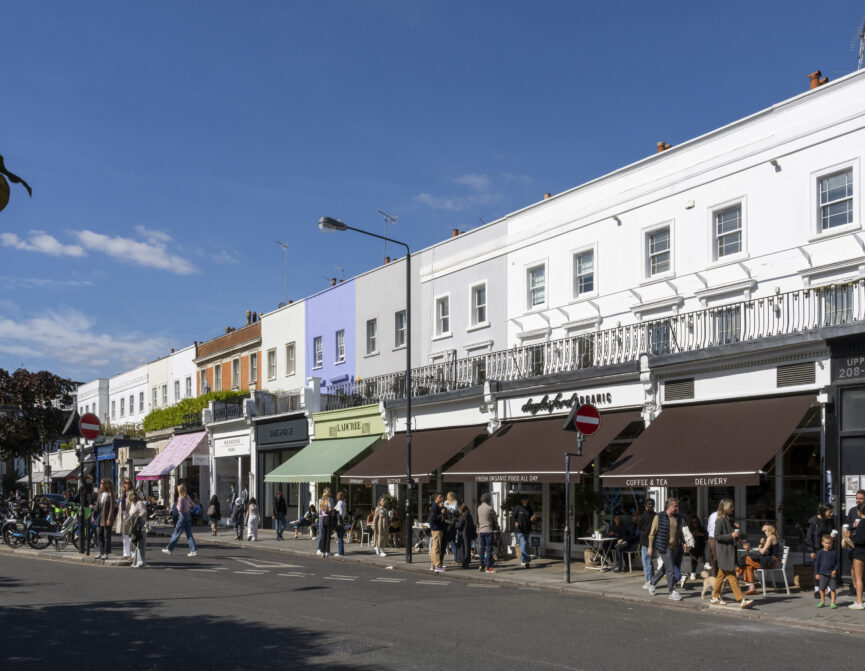
Fashionable, multicultural and charismatic. Throughout the years, Notting Hill has earned a reputation for its dynamism and creativity.
My Queen’s Park: The trailblazers at the heart of the area
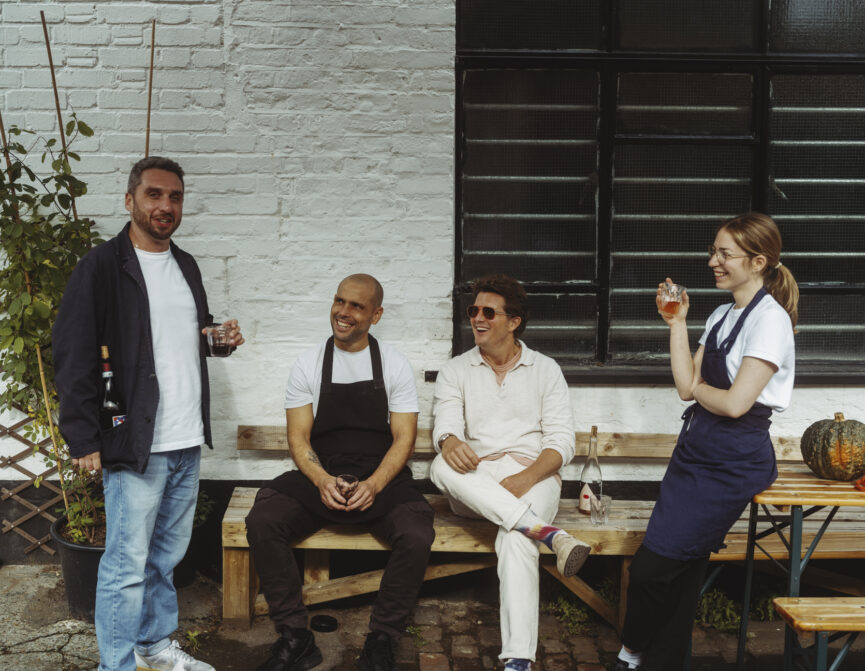
Stories of community, creativity and local life, Queen’s Park residents share what makes the area tick.